

FEATURED
—
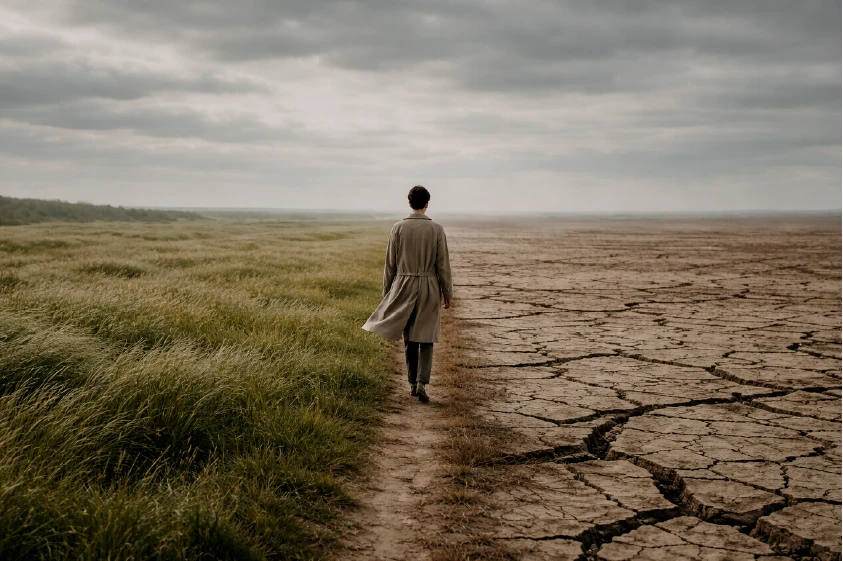
CLIMATE & NATURE
Landscapes shaped by pressure, loss, and resilience.
RARE SPECIES
A record of life on the edge of disappearance.

CULTURES AT RISK
When land changes, identity begins to fade.
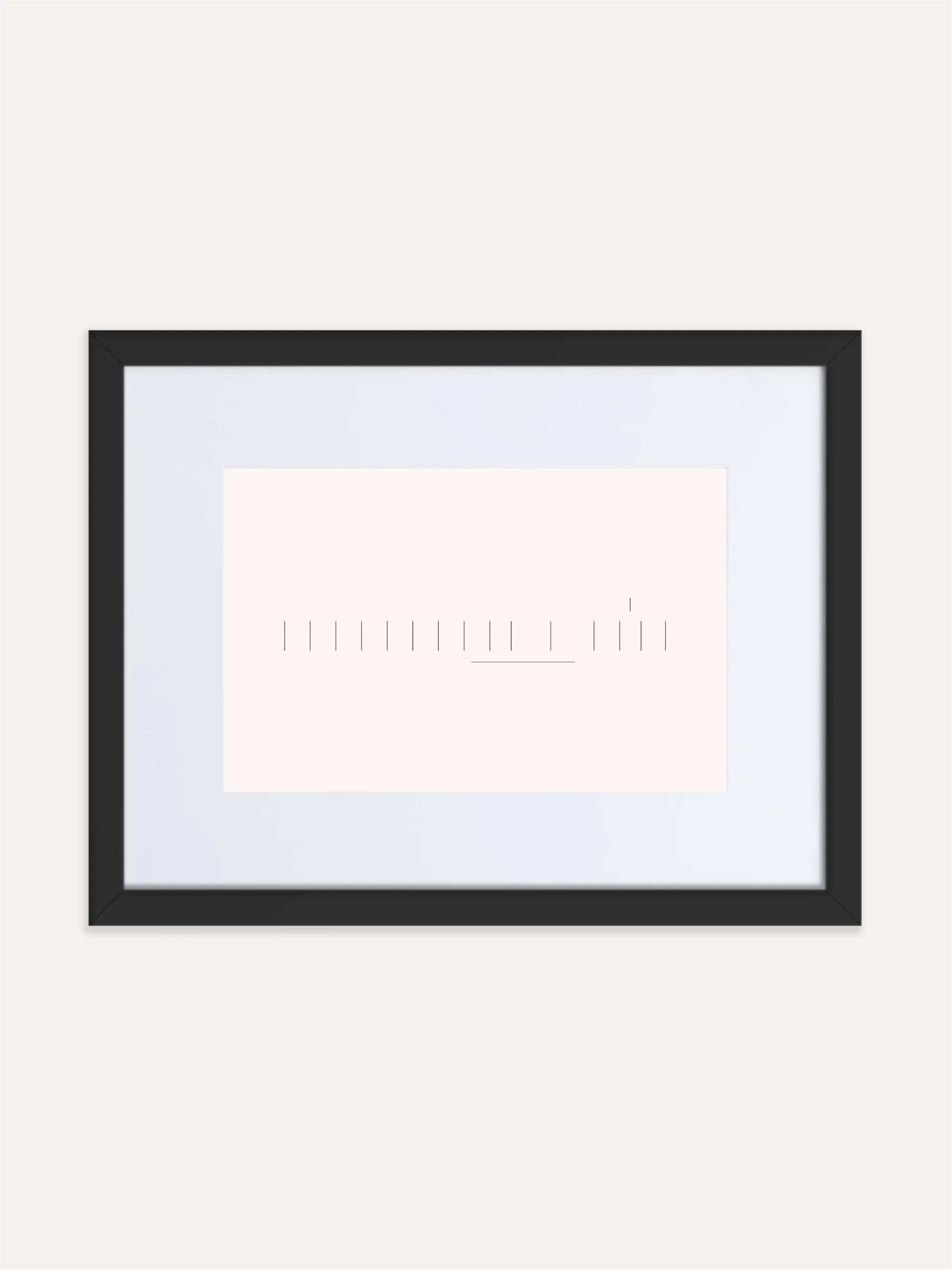
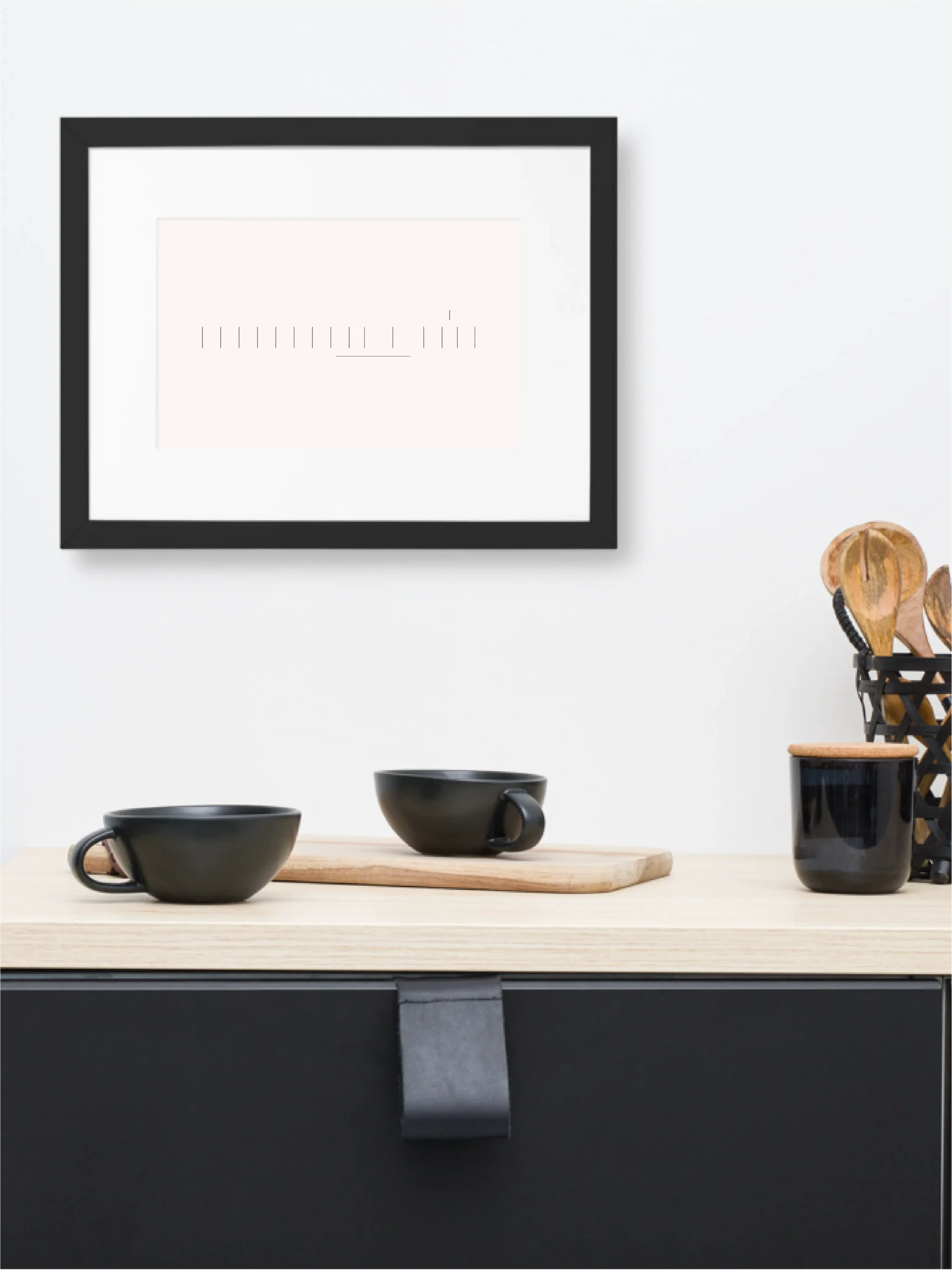
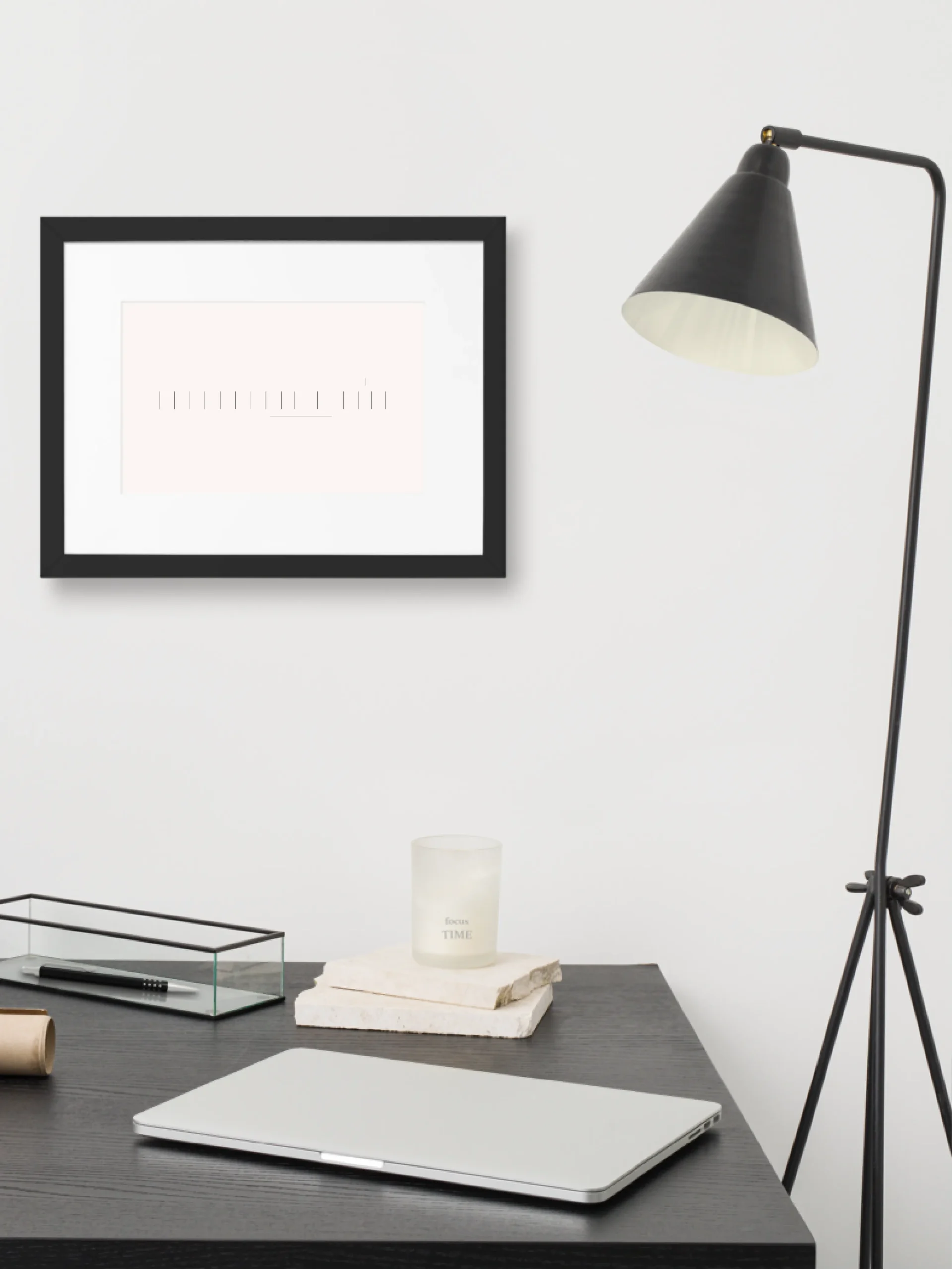
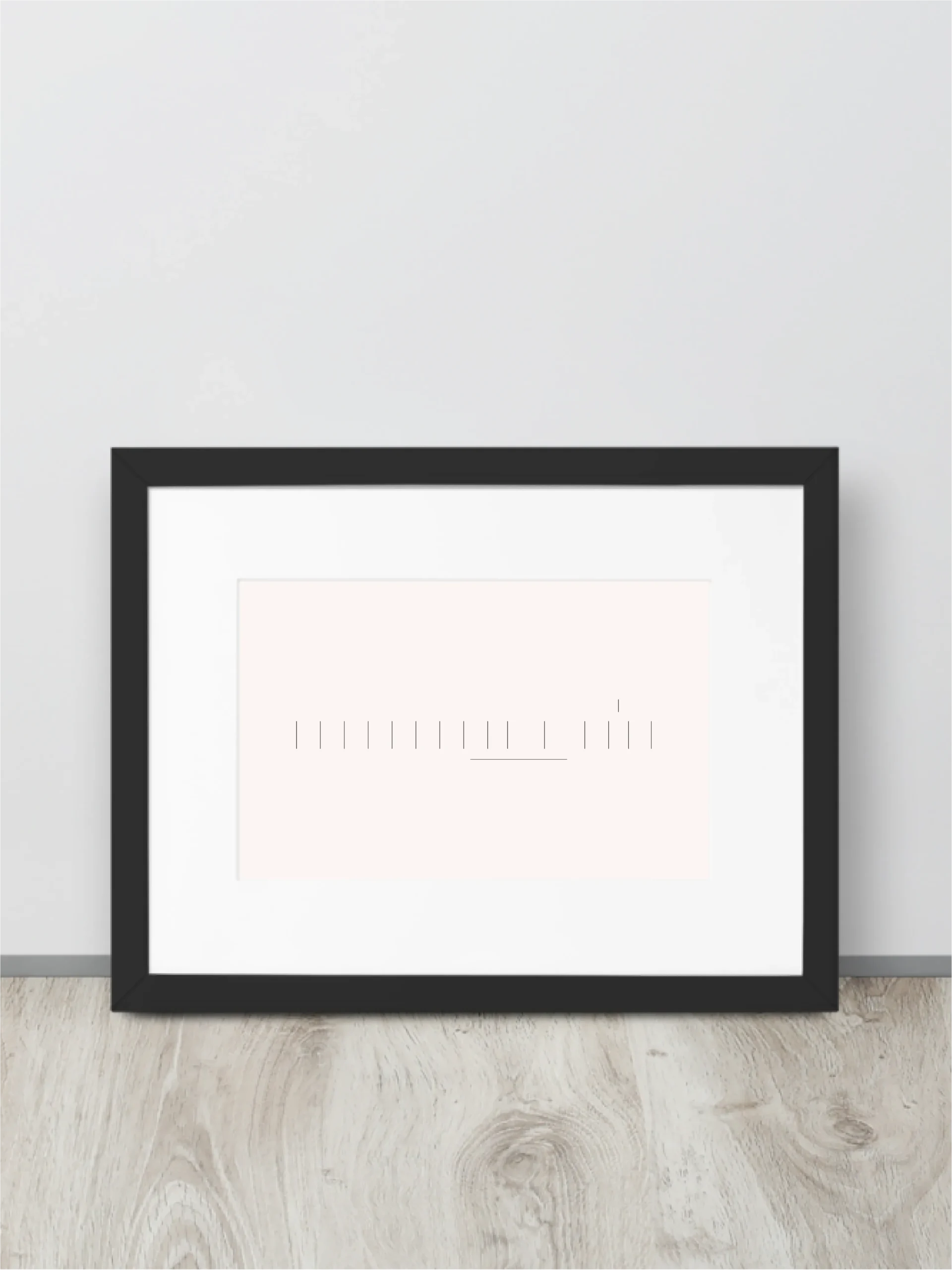
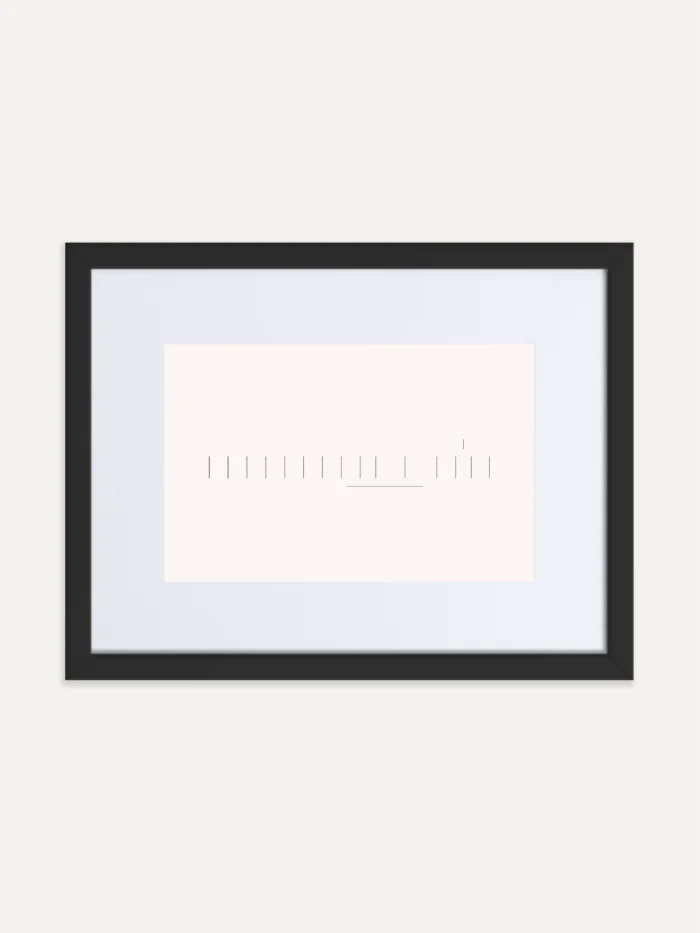
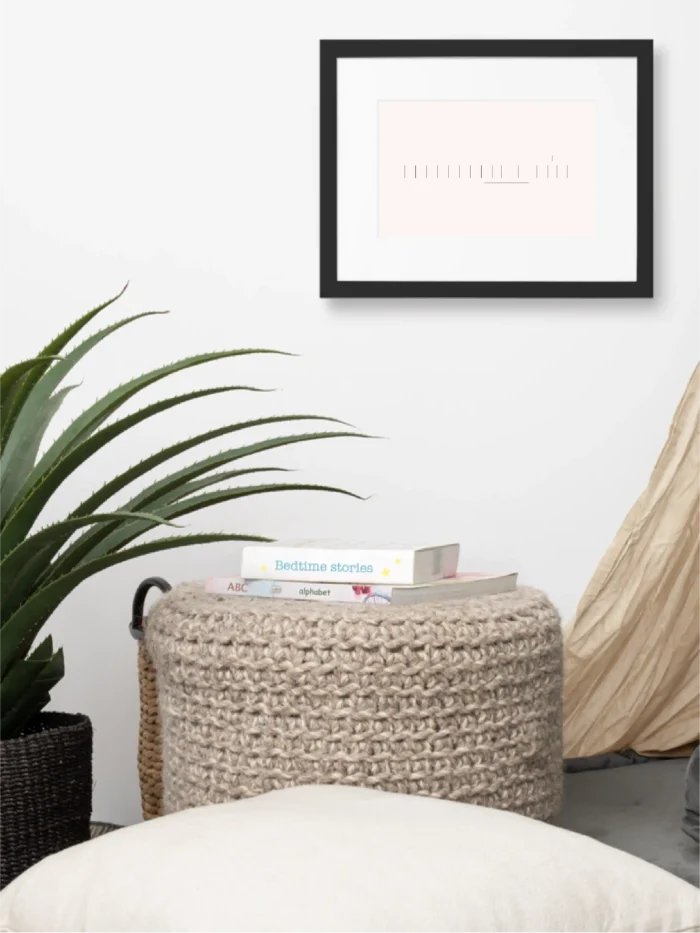
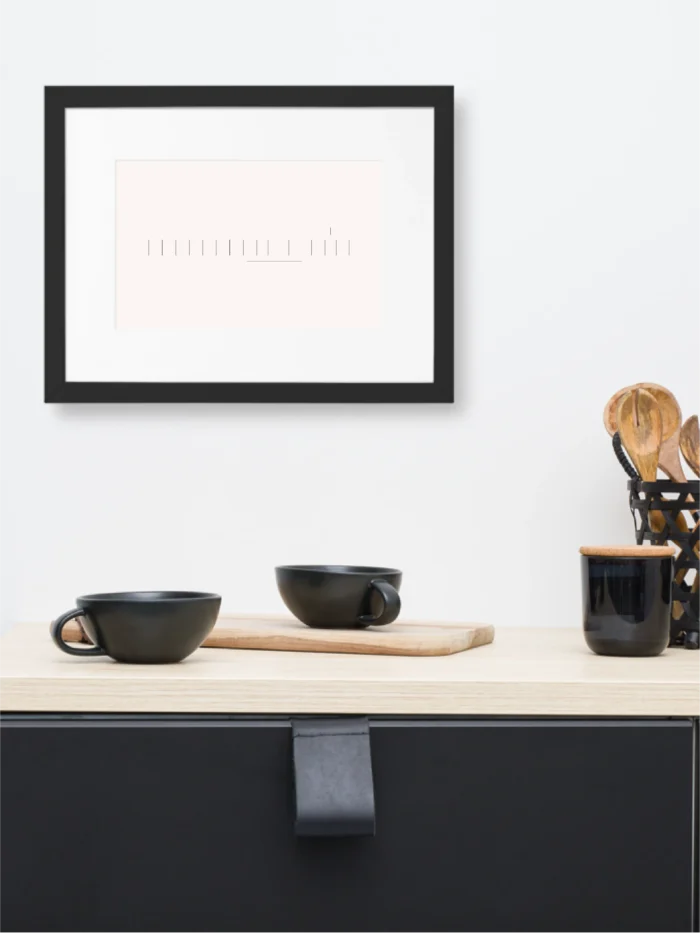
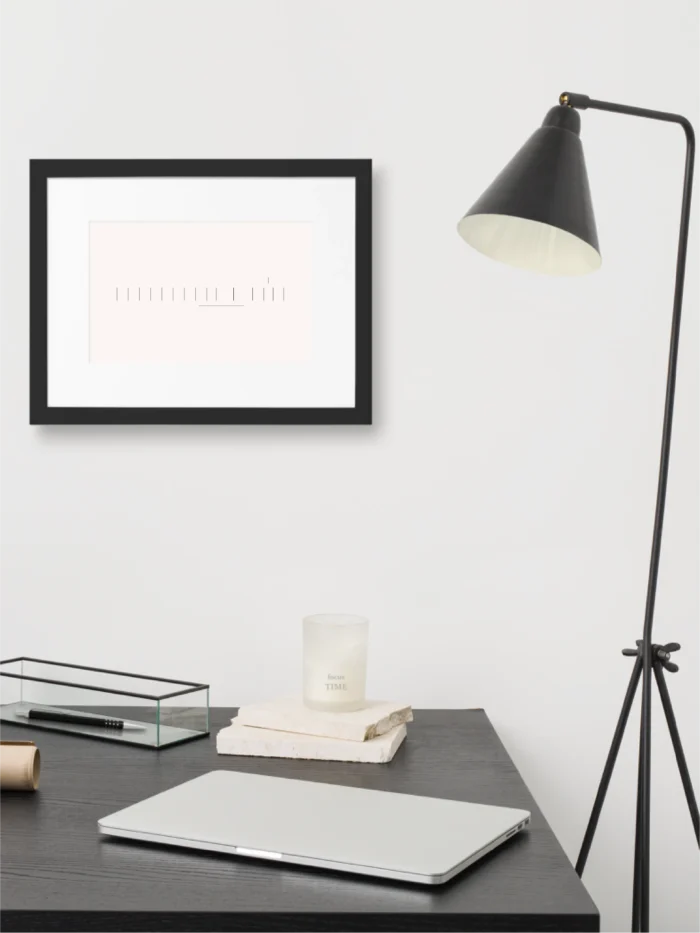
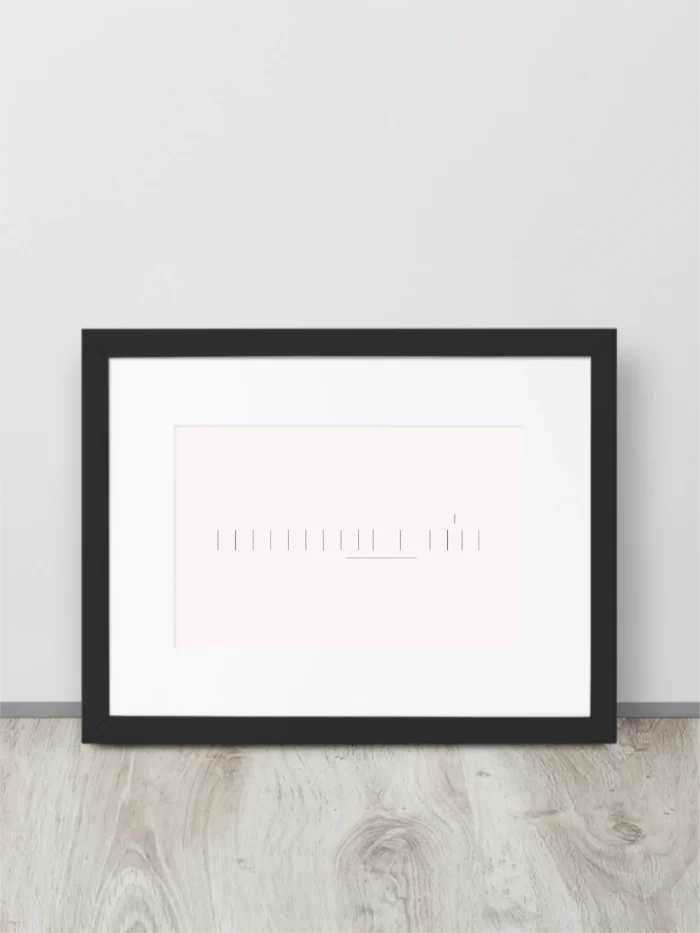
A restrained study of ecological timing and the cultural knowledge shaped around recurring natural cycles.
Seasonal Index explores how communities read seasonal change through rainfall, flowering, migration, tides, soil conditions and harvest rhythms. Reduced to a sequence of fine indicators, the composition moves from measured regularity towards delay, absence and displacement—reflecting environmental timing becoming less predictable.
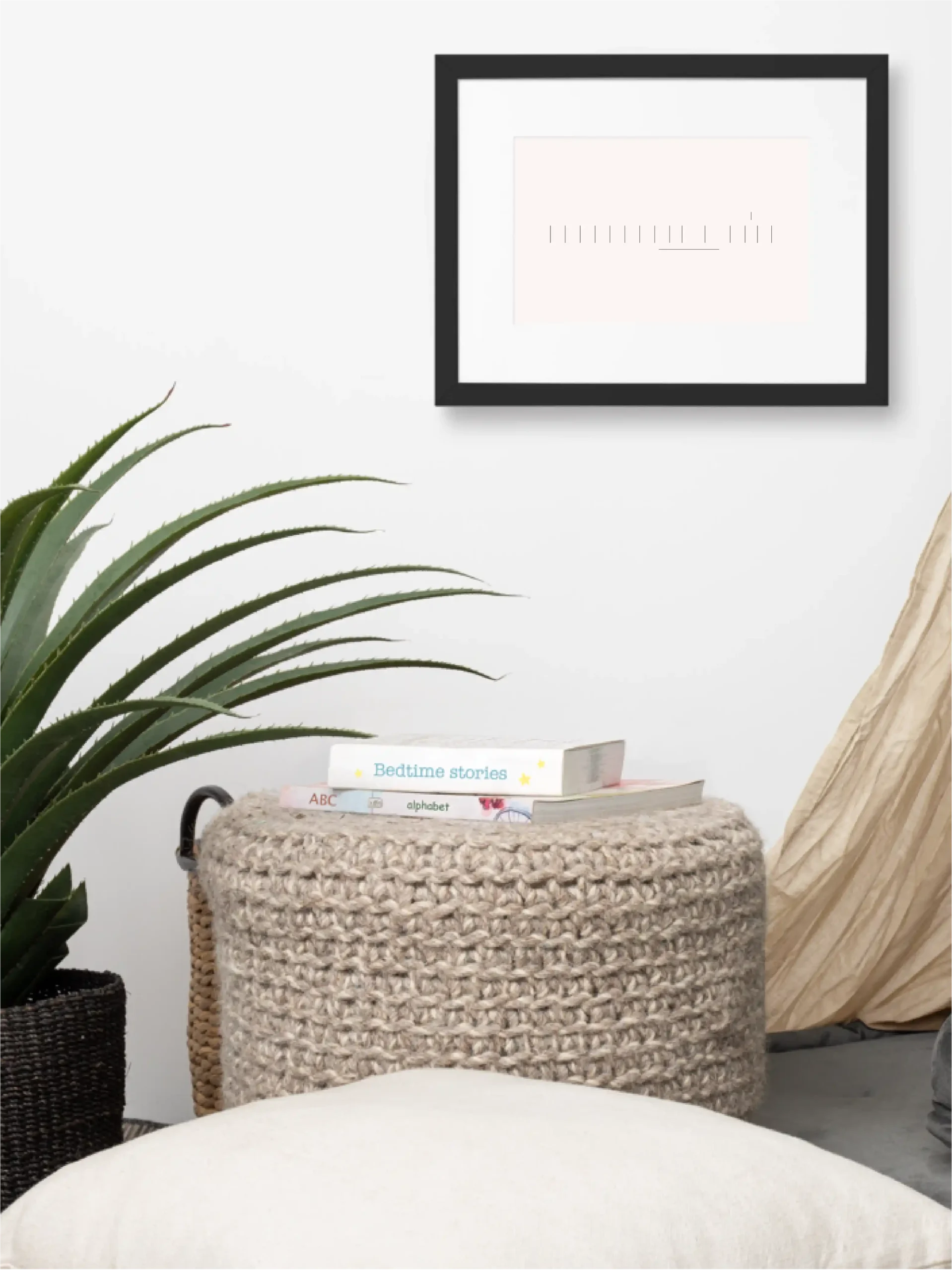
Expressed as a framed wall study for calm, structured interiors.
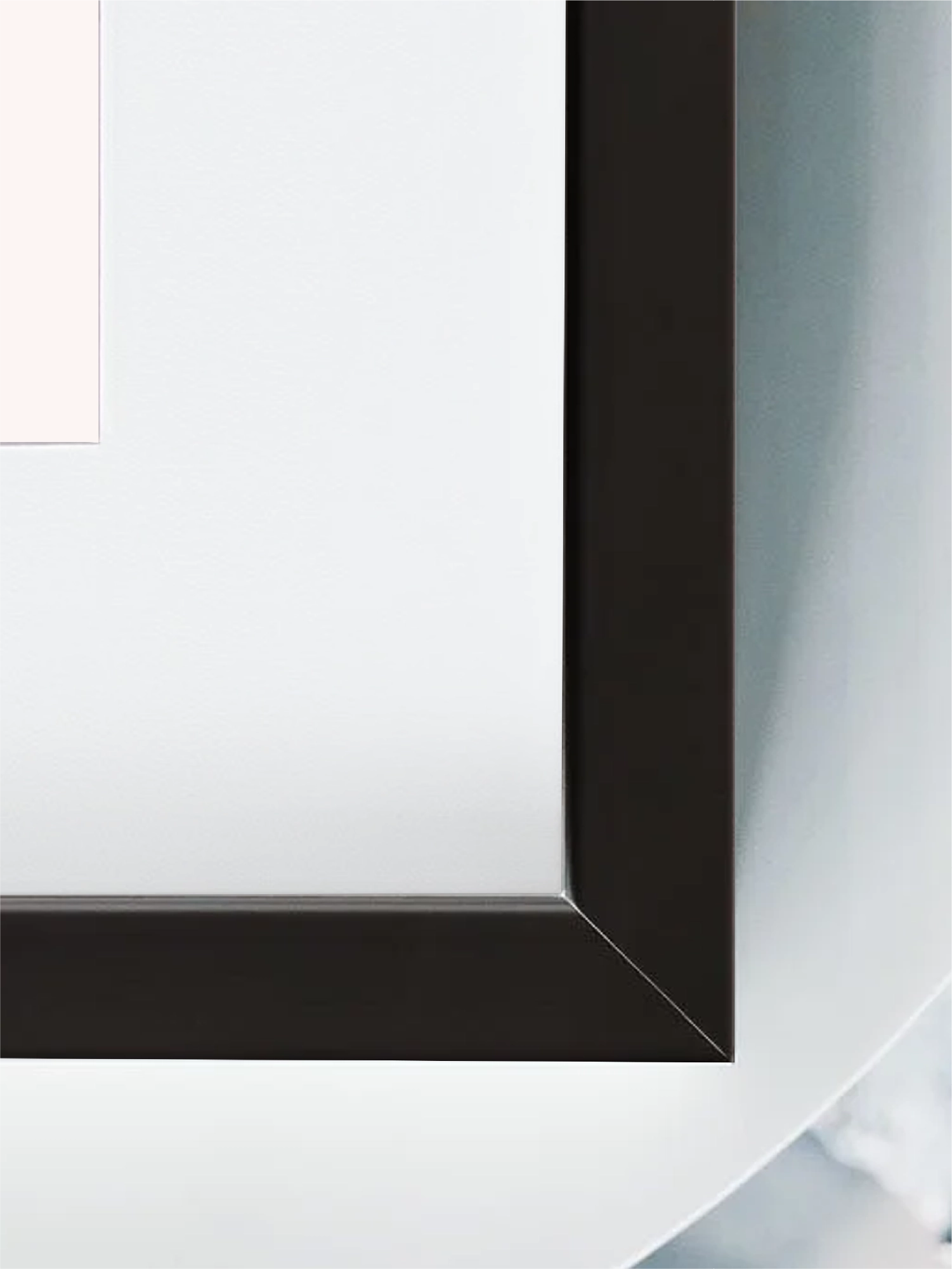
Printed on museum-quality matte paper at 189 g/m² and presented with a white mat board and black ayous wood frame, the work translates the Seasonal Index system into a quiet architectural presence.
30 × 40 cm · Ready to hang.
$129.00
Cultures at Risk Collection
A minimal study of ecological rhythm and the cultural knowledge organised around seasonal change.
Seasonal Index — Study 01 translates the gradual disruption of recurring environmental patterns into a restrained linear composition.
The work considers how seasonal knowledge develops through continued observation of landscape, timing and repetition—and how that knowledge can become harder to practise when familiar natural signals begin to shift.
Reduced to essential indicators, the composition records continuity becoming progressively less predictable.
Seasonal Index explores the relationship between ecological rhythm and cultural continuity.
Across many place-based cultures, knowledge has developed through close observation of recurring environmental patterns. Rainfall, flowering, animal movement, tides, soil conditions and temperature shifts can help determine when to plant, gather, fish, harvest, travel, prepare materials or carry out shared seasonal practices.
This knowledge does not exist separately from the landscape. It is learned through repetition, observation and intergenerational experience.
As ecosystems and climate patterns change, familiar environmental signals may arrive later, occur irregularly or disappear altogether. When the timing of nature becomes less dependable, the knowledge organised around that timing can also become more difficult to practise and pass forward.
The artwork translates this disruption into a sequence of fine vertical indicators.
The opening section follows a stable, measured rhythm. As the sequence progresses, its structure begins to shift:
Nothing changes dramatically in a single moment.
Instead, predictability weakens gradually.
Presented within a soft warm-white field, the fine Charcoal indicators remain quiet and precise. Large areas of negative space allow the disturbance in rhythm to emerge through close observation rather than immediate visual impact.
SEASONAL INDEX
Ecological Rhythm — Cultural Timing System
A minimal system exploring how recurring environmental patterns support the continuity of land-based cultural knowledge.
Seasonal knowledge is built through long observation. It depends on relationships between timing, place, material and collective memory.
When environmental rhythms remain relatively stable, knowledge can be practised repeatedly and transferred through lived experience. When those rhythms become irregular, the relationship between inherited understanding and present conditions begins to weaken.
This artwork translates that pressure into a progressive disturbance of sequence.
Regularity carries memory.
Intervals carry timing.
Absence signals interruption.
Displacement records uncertainty.
The composition is not a literal calendar or a representation of any single community. It is a research-led interpretation of how ecological instability can affect the conditions through which cultural knowledge remains active.
An observation of continuity becoming less predictable—quietly, gradually and across generations.
The landscape orientation reinforces sequence, duration and the passage of seasonal time.
Generous negative space allows each indicator and interval to remain distinct, creating a calm visual presence while directing attention towards subtle changes in rhythm.
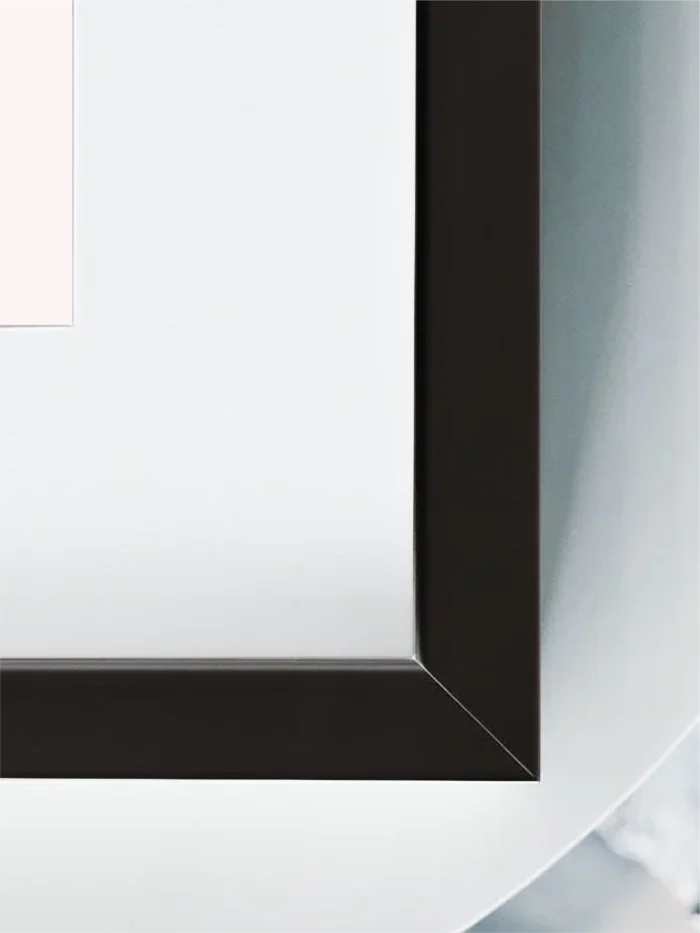
The white mat board introduces separation and breathing space around the composition, while the black frame provides a precise architectural boundary.
Designed for considered interiors, the work can sit comfortably within living spaces, work areas and other quiet environments without becoming visually dominant.
Printed on museum-quality matte paper using precision water-based inkjet printing to preserve fine-line clarity and restrained tonal variation.
A white mat board surrounds the artwork, creating depth and visual separation.
The black ayous wood frame provides a clean structural edge aligned with the minimal visual language of the Cultures at Risk Collection.
Ready to hang.
Suitable for interiors that value clarity, structure and a restrained visual language.
Each piece is produced on demand.
Printing only when ordered helps reduce excess inventory and unnecessary material waste.
Part of Cultures at Risk — When Nature Fades, a research-led visual archive examining how ecological change can weaken the conditions through which cultural knowledge is practised, remembered and passed between generations.
Seasonal Index is presented as an informed, non-literal interpretation rather than documentation of a particular culture or community.