

FEATURED
—
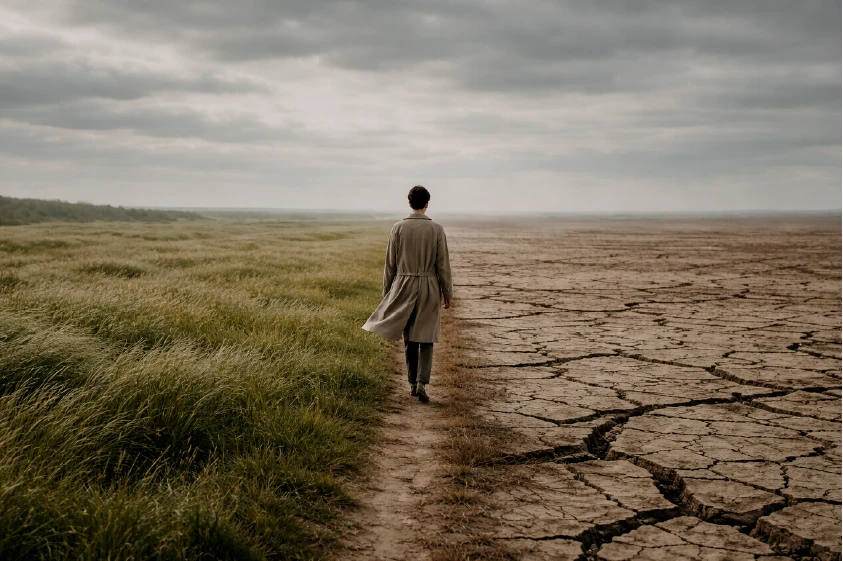
CLIMATE & NATURE
Landscapes shaped by pressure, loss, and resilience.
RARE SPECIES
A record of life on the edge of disappearance.
CULTURES AT RISK
When land changes, identity begins to fade.
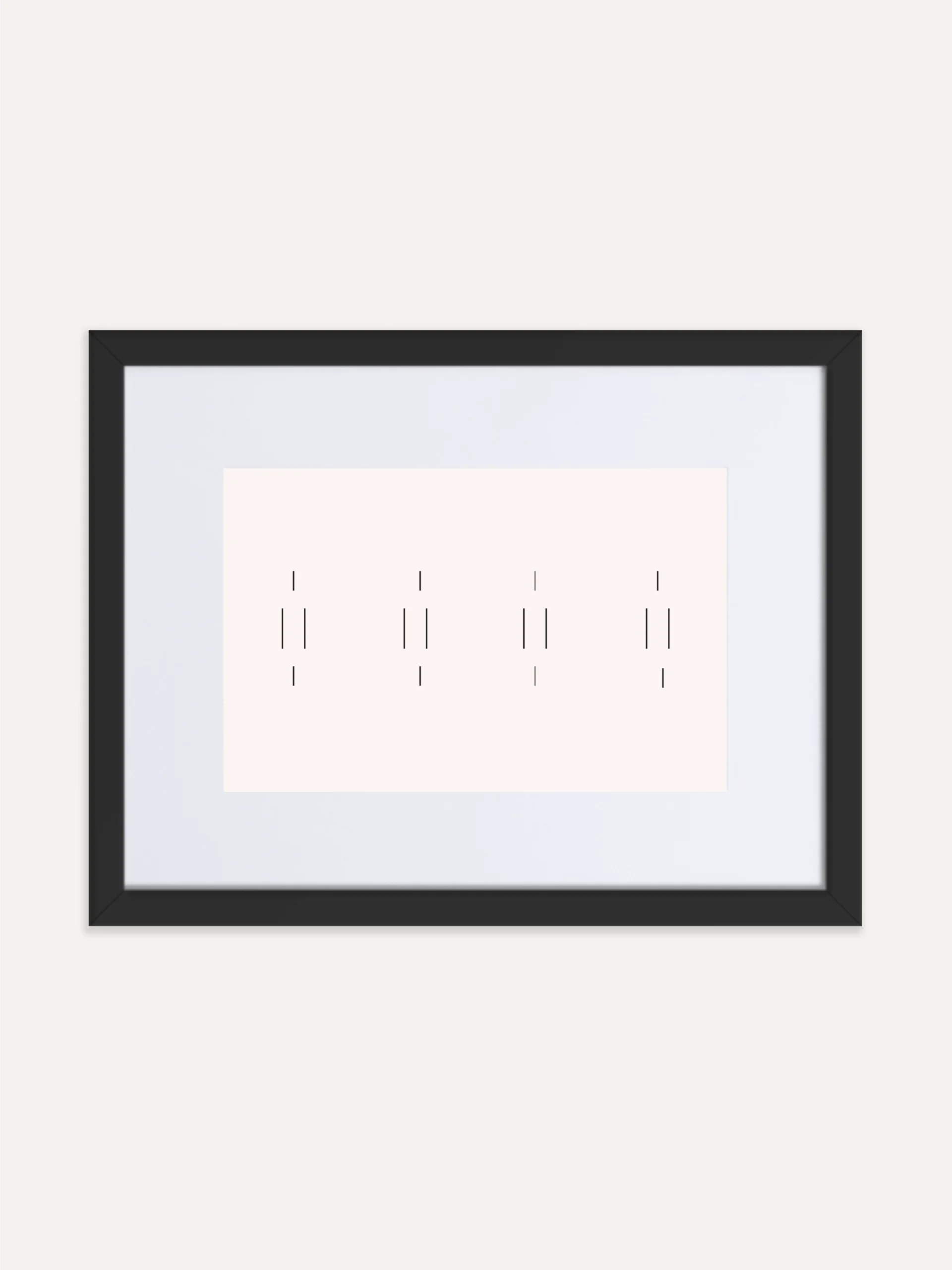
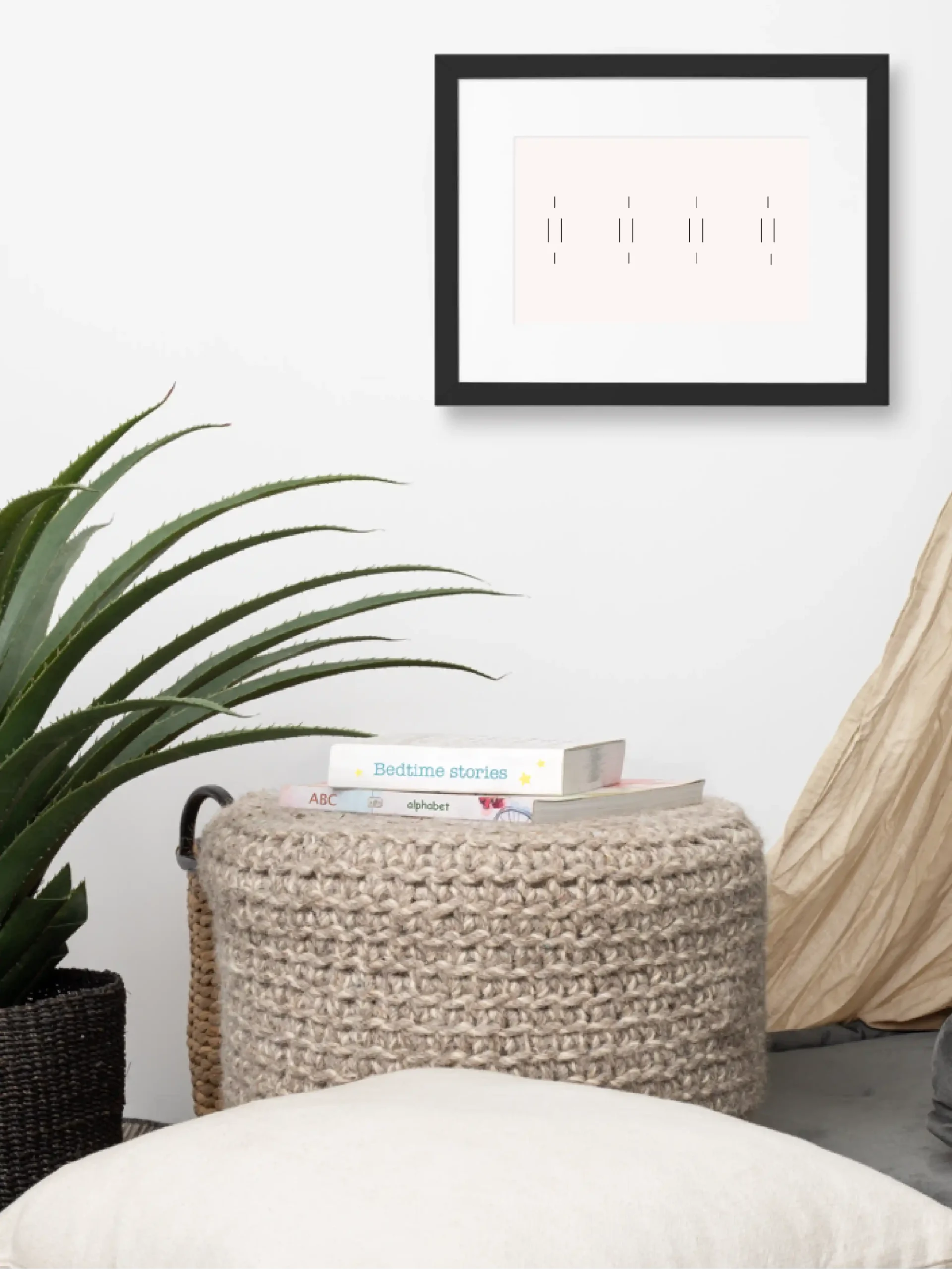
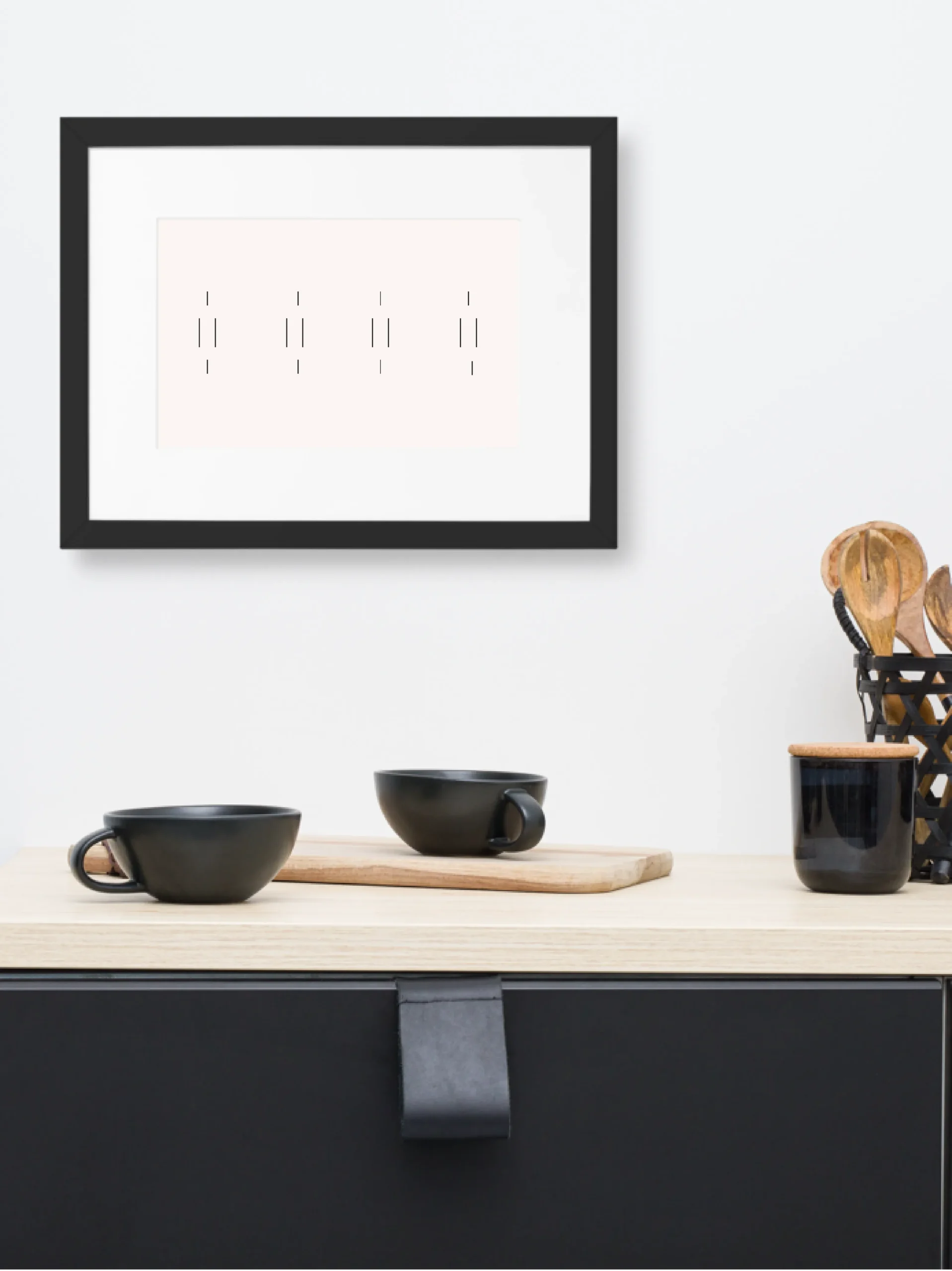
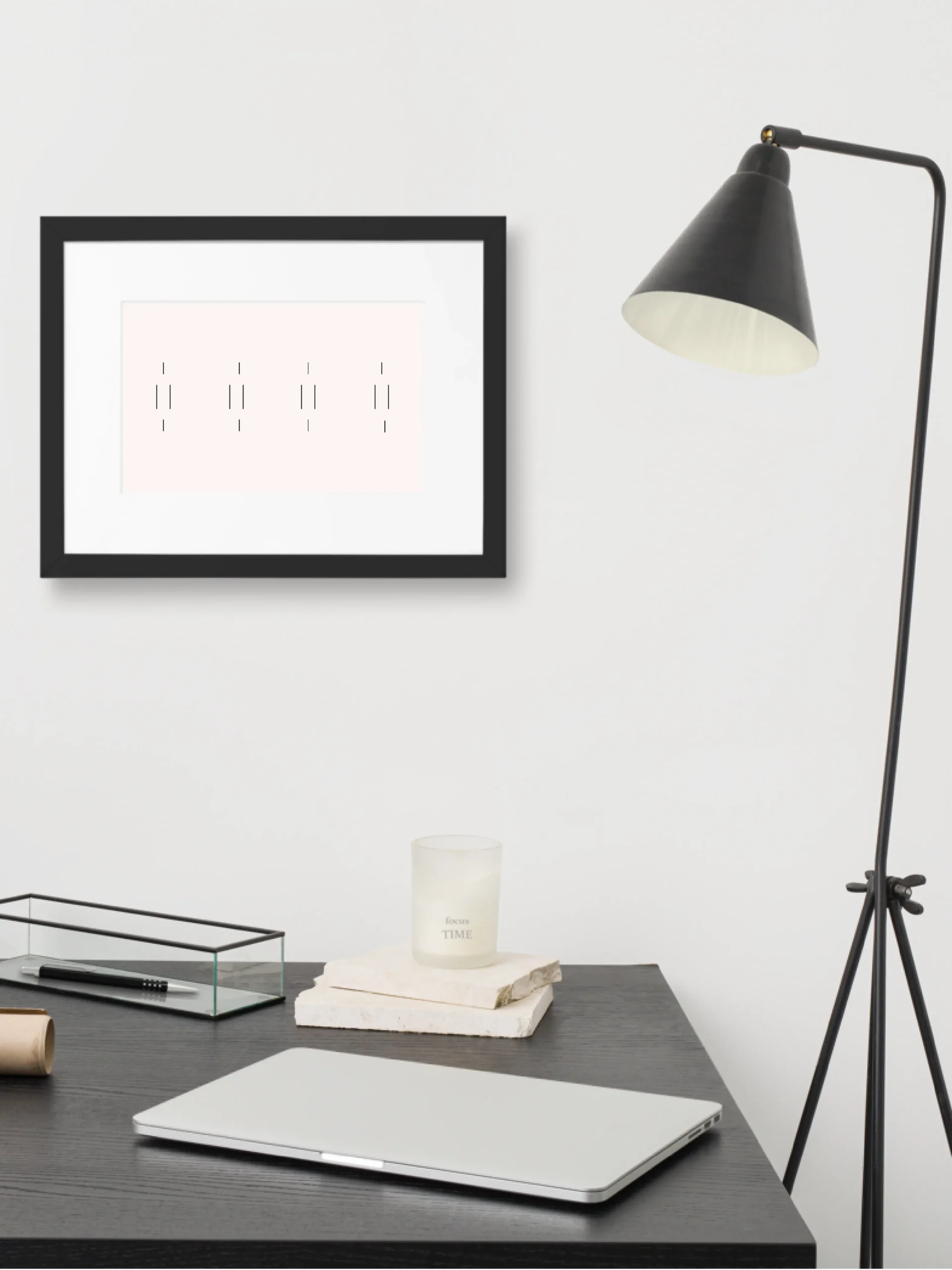
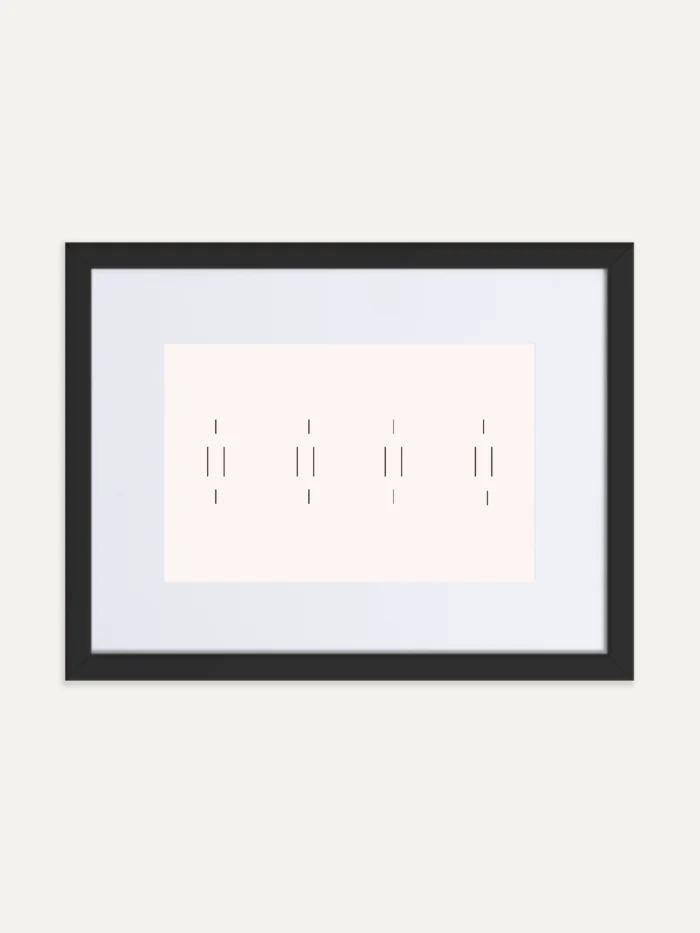
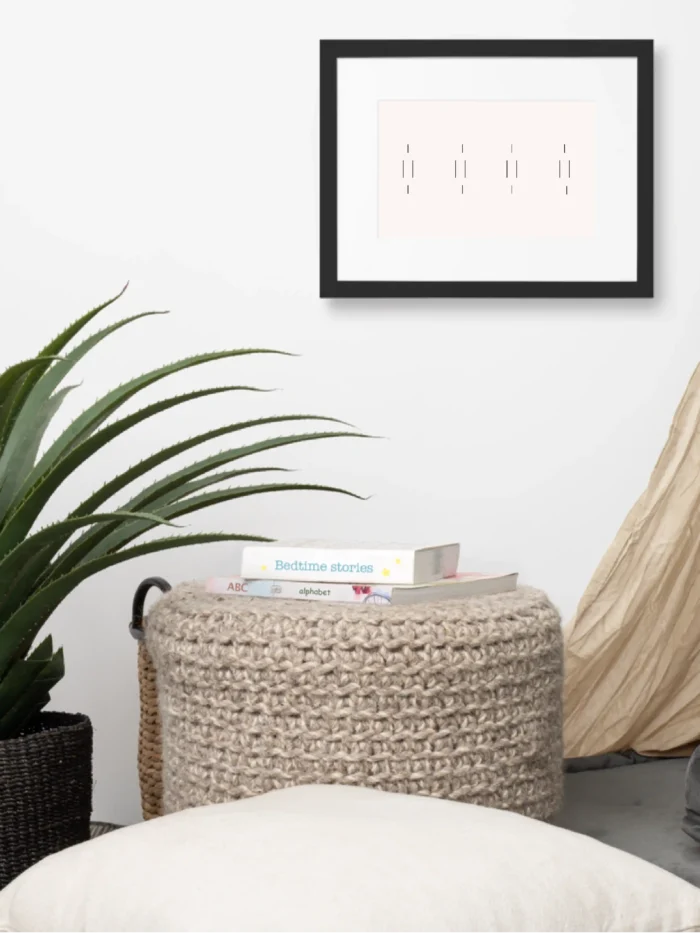
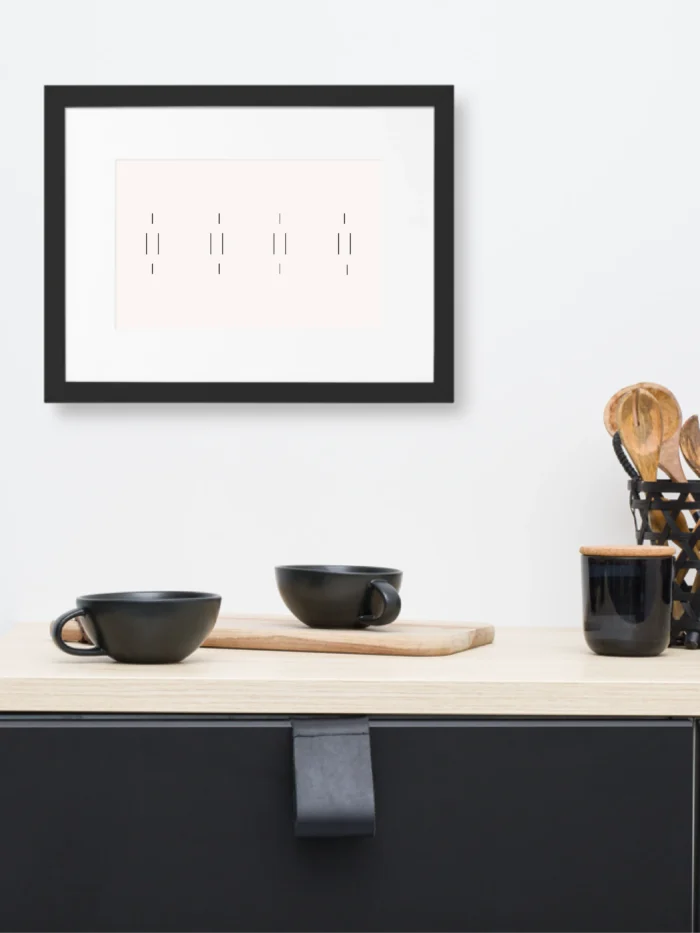
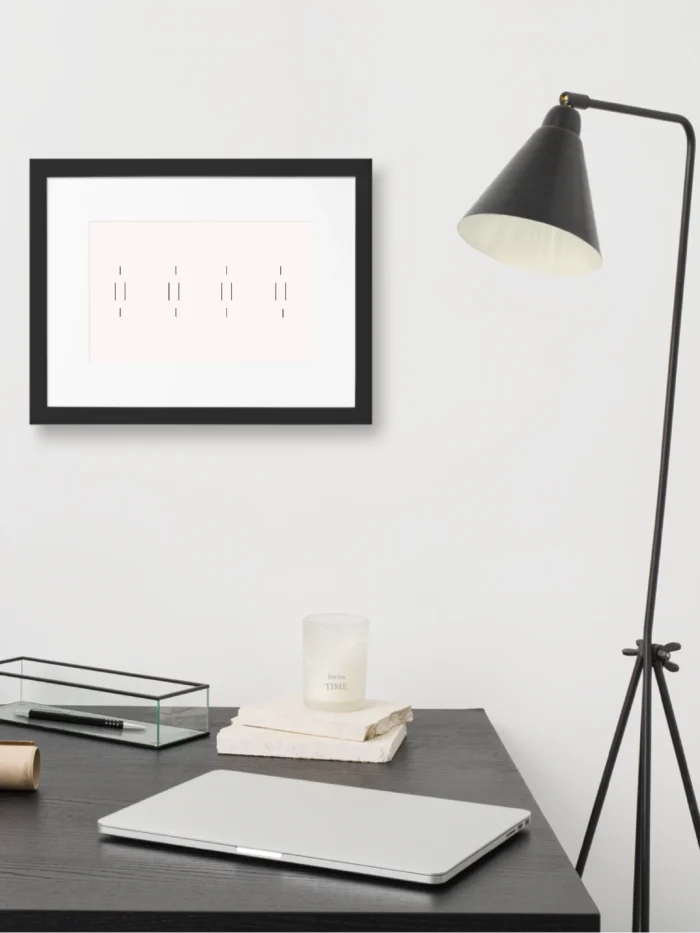
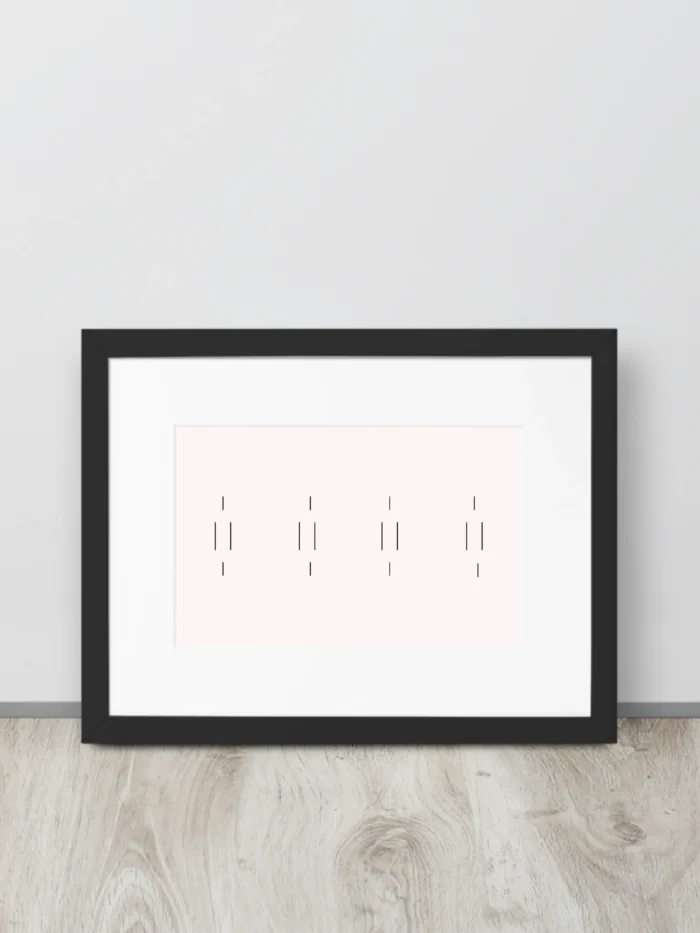
A restrained study of intergenerational memory and the cultural knowledge carried through repeated transmission.
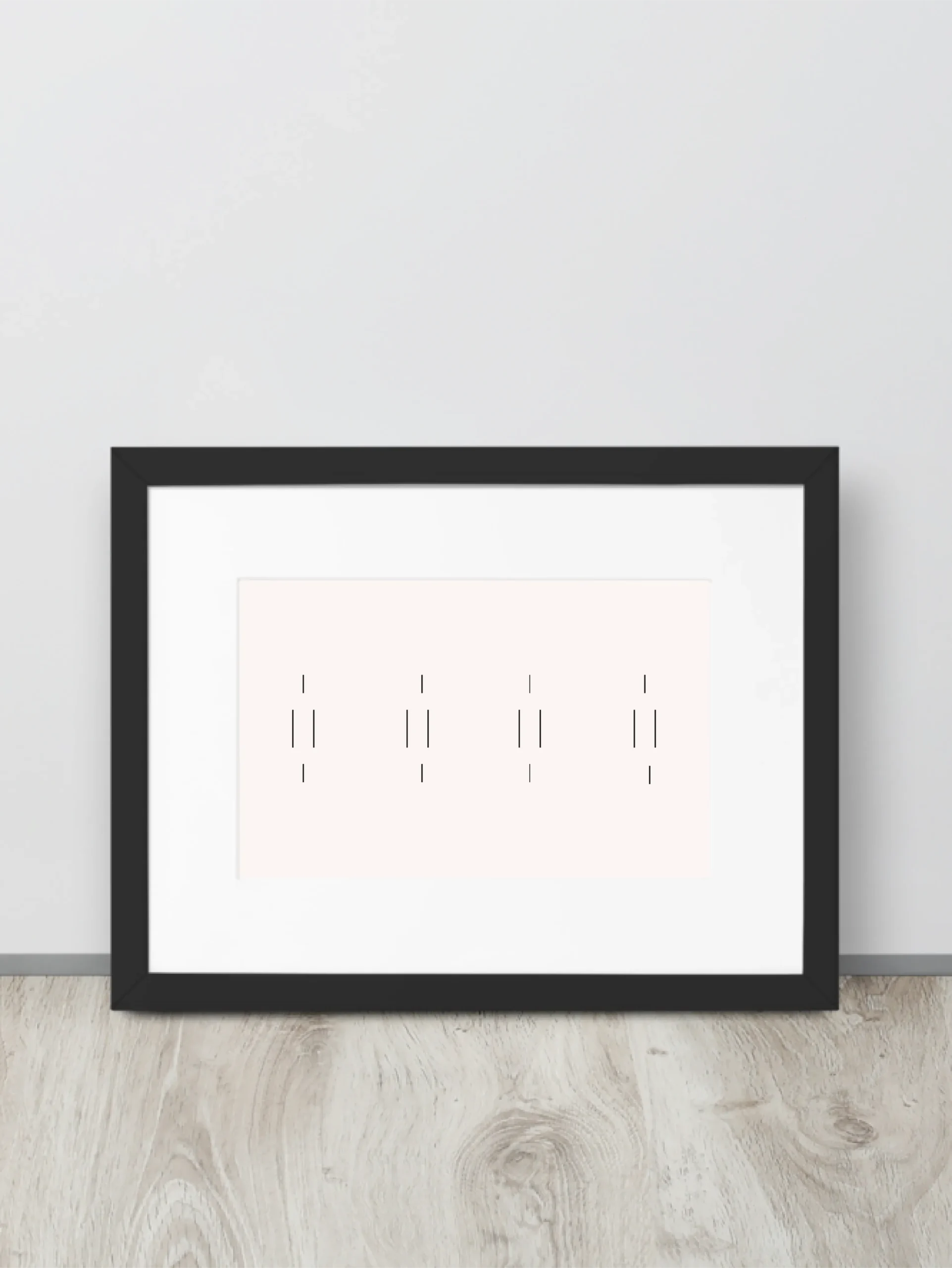
Memory Relay explores how knowledge moves between generations through observation, participation, repetition and adaptation. Reduced to four related signal groups, the composition records knowledge being received, practised and carried onward—while one fading sequence reflects transmission becoming less secure.
Expressed as a framed wall study for calm, structured interiors.
Printed on museum-quality matte paper at 189 g/m² and presented with a white mat board and black ayous wood frame, the work translates the Memory Relay system into a quiet architectural presence.
30 × 40 cm · Ready to hang.
$129.00
Cultures at Risk Collection
A minimal study of intergenerational memory and the movement of cultural knowledge across time.
Memory Relay — Study 03 translates the process of knowledge transmission into a restrained horizontal composition.
The work considers how understanding moves through observation, participation, repetition and lived experience—and how that movement can become less secure when the conditions supporting continued practice begin to change.
Reduced to four related groups of fine vertical signals, the composition records knowledge being received, shared and carried forward.
Memory Relay explores how cultural knowledge moves between generations.
Across many place-based cultures, knowledge is not transmitted through written instruction alone. It is often learned by watching, listening, participating, repeating and gradually taking responsibility within everyday practice.
An older generation may demonstrate an action. A younger person observes, attempts, adjusts and remembers. Through continued participation, knowledge moves forward—not as an exact copy, but as something interpreted through changing circumstances and lived experience.
This transmission depends on more than memory alone. It requires time, shared presence, access to familiar places and materials, and repeated opportunities to practise.
Environmental disruption, displacement, changing livelihoods and reduced access to customary landscapes can weaken these conditions. Knowledge may remain remembered while becoming less frequently used. Parts of a system may continue clearly, while other parts become fragmented, altered or increasingly difficult to pass forward.
The artwork translates this process into four related signal groups arranged across a horizontal field.
Each group follows the same basic structure:
The structure remains recognisable throughout.
Nothing disappears completely.
Instead, continuity becomes uneven—preserved in some stages, weakened in others and dependent on renewed participation to remain active.
Presented within a soft warm-white field, the fine Charcoal signals remain quiet and precise. Generous negative space allows the differences between repetition, fading and continuity to emerge through close observation rather than immediate visual impact.
MEMORY RELAY
Intergenerational Continuity — Knowledge Transmission System
A minimal system exploring how cultural knowledge moves through observation, participation and memory.
Knowledge becomes active through use.
Observation begins transmission.
Participation develops understanding.
Repetition strengthens memory.
Variation records adaptation.
When the conditions supporting this exchange remain active, knowledge can continue through repeated experience. When those conditions weaken, transmission may become incomplete, less frequent or increasingly dependent on recollection rather than continued practice.
This artwork translates that pressure into a repeated signal structure.
The upper mark receives.
The paired centre shares.
The lower mark carries forward.
Repetition establishes continuity.
Fading records weakened transmission.
The composition is not a diagram of any particular teaching practice, ritual, language or community. It is a research-led interpretation of how cultural knowledge may continue across generations while changing through experience and environmental pressure.
An observation of memory in motion—received, practised and carried onward.
The landscape orientation reinforces movement, sequence and the passage of knowledge across generations.
Four repeated structures establish a measured horizontal rhythm, while the fading third sequence introduces a subtle disturbance without breaking the composition completely.
Generous negative space allows each signal group to remain distinct and gives the work a calm, architectural presence.
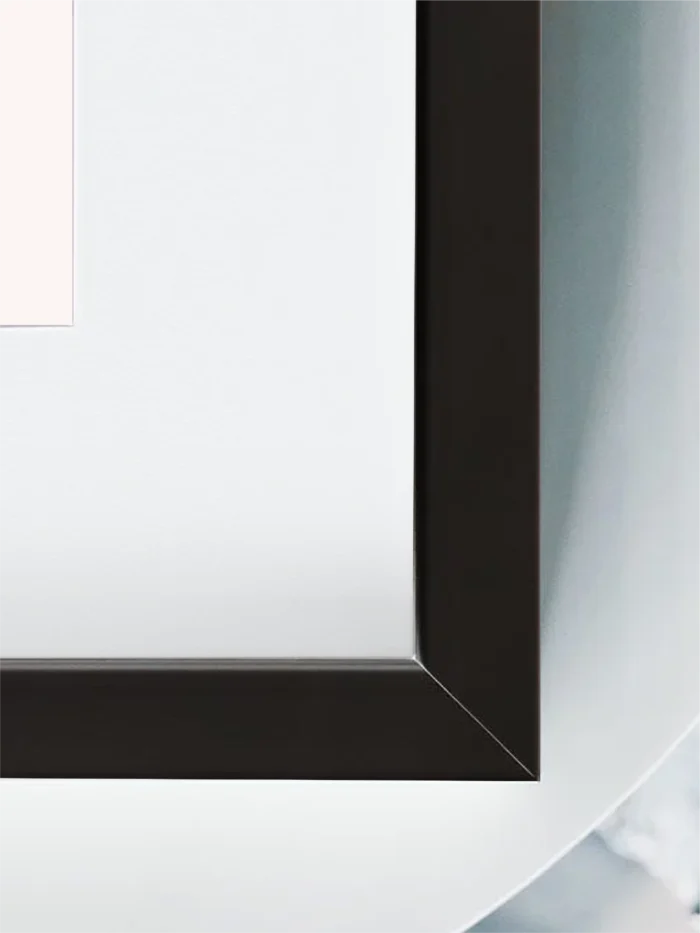
The white mat board creates visual separation and breathing space around the artwork, while the black frame provides a precise structural boundary.
Designed for considered interiors, the work can sit comfortably within living areas, workspaces and other quiet environments without becoming visually dominant.
Printed on museum-quality matte paper using precision water-based inkjet printing to preserve fine-line clarity and restrained tonal variation.
A white mat board surrounds the artwork, creating depth and visual separation.
The black ayous wood frame provides a clean architectural edge aligned with the minimal visual language of the Cultures at Risk Collection.
Ready to hang.
Suitable for interiors that value clarity, structure and a restrained visual language.
Each piece is produced on demand.
Printing only when ordered helps reduce excess inventory and unnecessary material waste.
Part of Cultures at Risk — When Nature Fades, a research-led visual archive examining how environmental change can weaken the conditions through which cultural knowledge is practised, remembered and passed between generations.
Memory Relay is presented as an informed, non-literal interpretation rather than documentation of a particular culture, teaching tradition or community.