

FEATURED
—
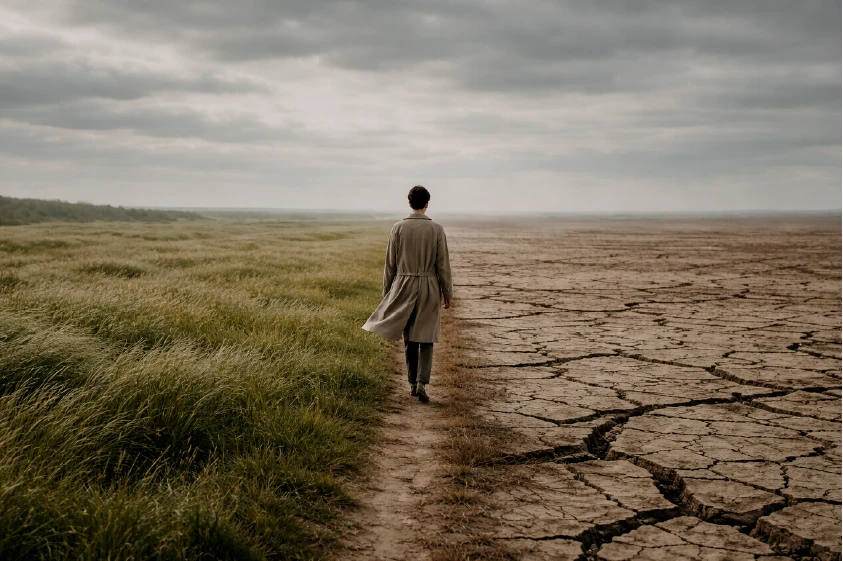
CLIMATE & NATURE
Landscapes shaped by pressure, loss, and resilience.
RARE SPECIES
A record of life on the edge of disappearance.
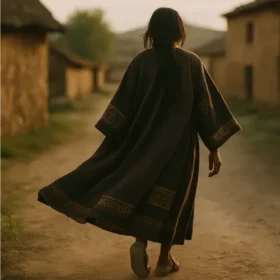
CULTURES AT RISK
When land changes, identity begins to fade.
Before we change the world, something changes in the way we see it.
It Begins with Wonder explores how everyday curiosity can change what we notice—and what we discover together.
A glass of water, sunlight, and a shared question become an invitation to pause, experiment, and see something familiar differently.
Part of The World We Make, this story reflects on attention, encouragement, and the pleasure of learning alongside another person.

A glass of water stands beside a window. Sunlight passes through it and gathers in an uneven shape on the wood.
A woman passing by stops to look.
She moves the glass a little. The light moves too. For a moment, she forgets what she was about to do.
Nothing remarkable has happened. Yet her attention has changed. An object she uses every day has become something she wants to understand.
Most of us know this feeling. Rain making circles in a puddle. A seed opening. A familiar song revealing a sound we had never heard before.
The pleasure arrives before the explanation.
When did we last allow ourselves to follow it?
As children, we could spend an afternoon finding out what floated, where a shadow went, or how something fitted together. We asked questions freely because so much was unfamiliar.
Growing older fills our days with things to finish. We learn to look for the answer, make the decision and move on. Sometimes, even our moments of rest become another stream of information to get through.
But the capacity for wonder stays with us.
It returns when something interrupts the familiar—and we give it a little time.
Beside the window, the woman places a sheet of paper beneath the glass. The light becomes easier to see.
A child comes closer.
“What are you doing?”
“Looking. Come and see.”
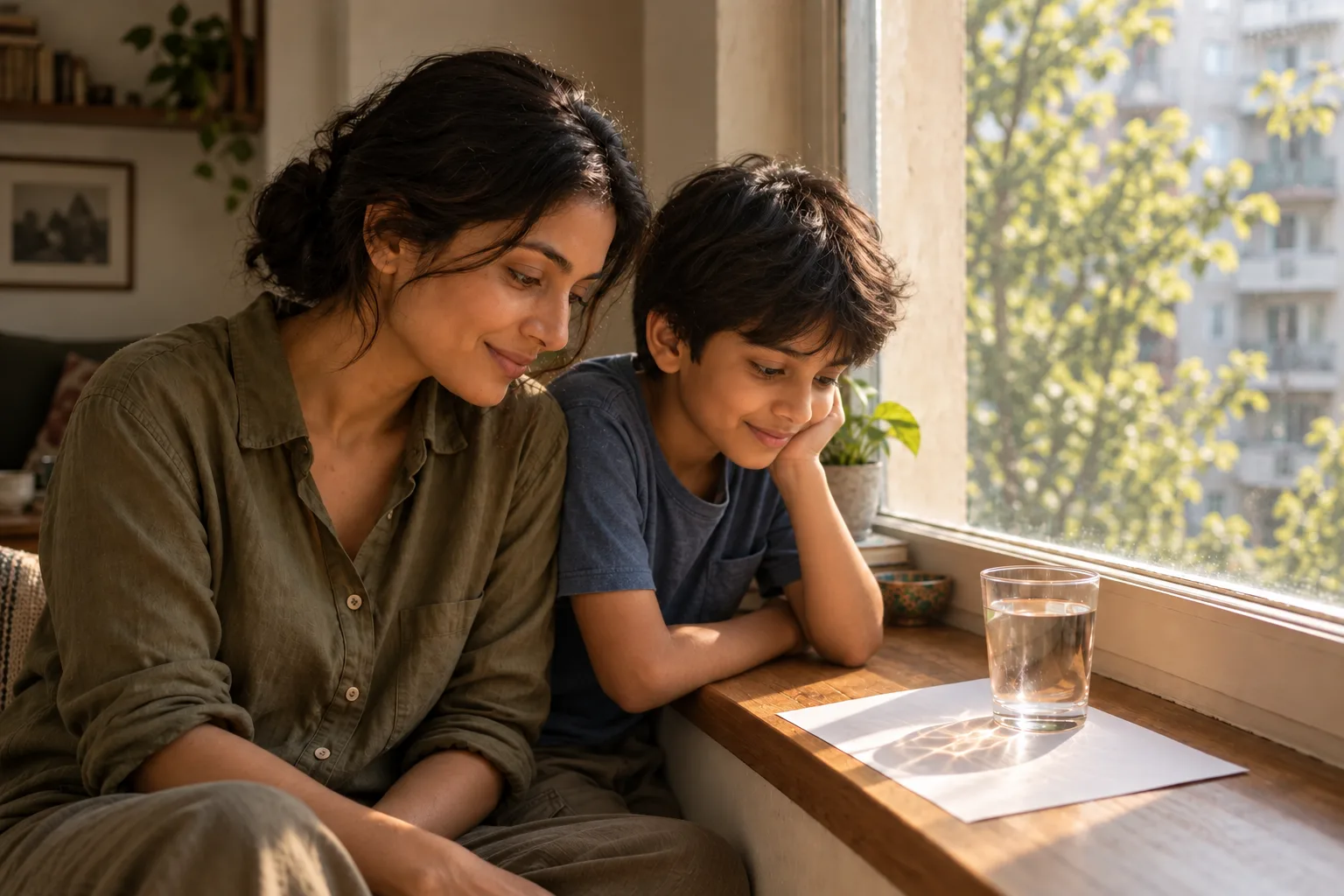
At first, the child watches. Then comes a question.
“Can I try?”
The woman moves aside.
The child slides the glass towards the edge of the paper, then brings it back. The bright shape stretches and gathers again. A smaller movement follows, more carefully this time.
She had been turning the glass. The child tries moving the paper instead.
Now she leans closer.
There is something generous in a moment like this: a question welcomed, an attempt allowed to unfold, an adult willing to discover something alongside a child.
Many of us remember someone who gave us that space. Someone who listened to an unfinished thought or let us work something out without taking over.
Such encouragement can stay with us long after we forget the answer.
It makes asking feel possible.
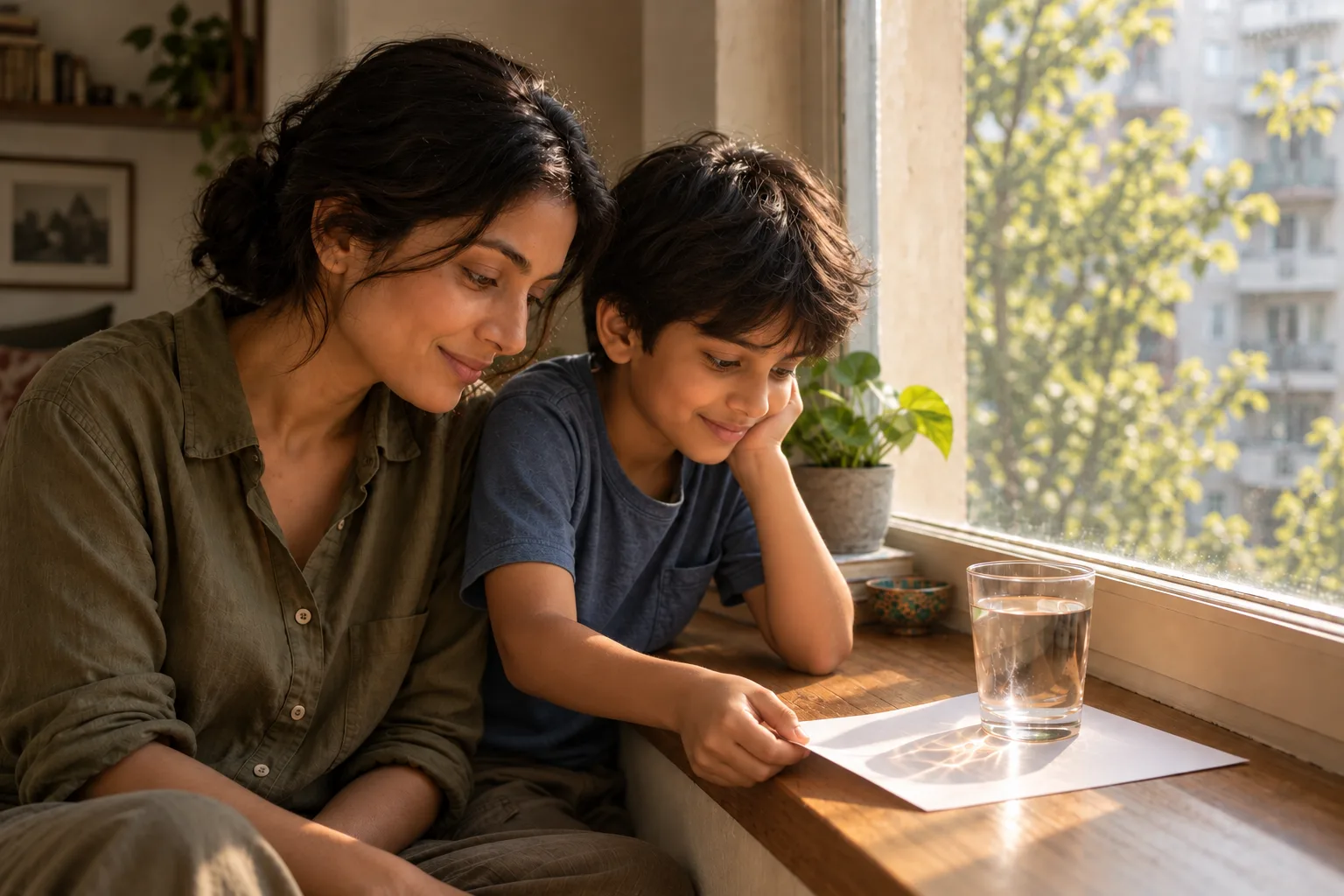
Their experiment has no important destination. They move the paper, return the glass to its earlier place and try again.
An unexpected shape makes them laugh.
In a time when a screen can offer an explanation almost immediately, there is still pleasure in meeting a question through experience. Watching closely. Changing one thing. Discovering that an assumption was incomplete.
Technology can help us explore further. Our own attention gives us a reason to begin—and a way to recognise what deserves another look.
That habit reaches beyond the windowsill. It enters the way we learn, work, make things and listen to people whose experience differs from ours.
We become a little more willing to ask, “What have I missed?”
Soon, the paper will be put away. The water will be drunk. The window will become part of the room again.
But for a while, two people have shared the pleasure of finding something out. Each has changed what the other could see.
The world we make takes shape through these small exchanges too. Through the patience we offer a question, the freedom we give an attempt, and the delight we allow ourselves to share.
Some discoveries grow into useful ideas. Others give us a memory, a closer relationship or a happier afternoon.
There is value in each.
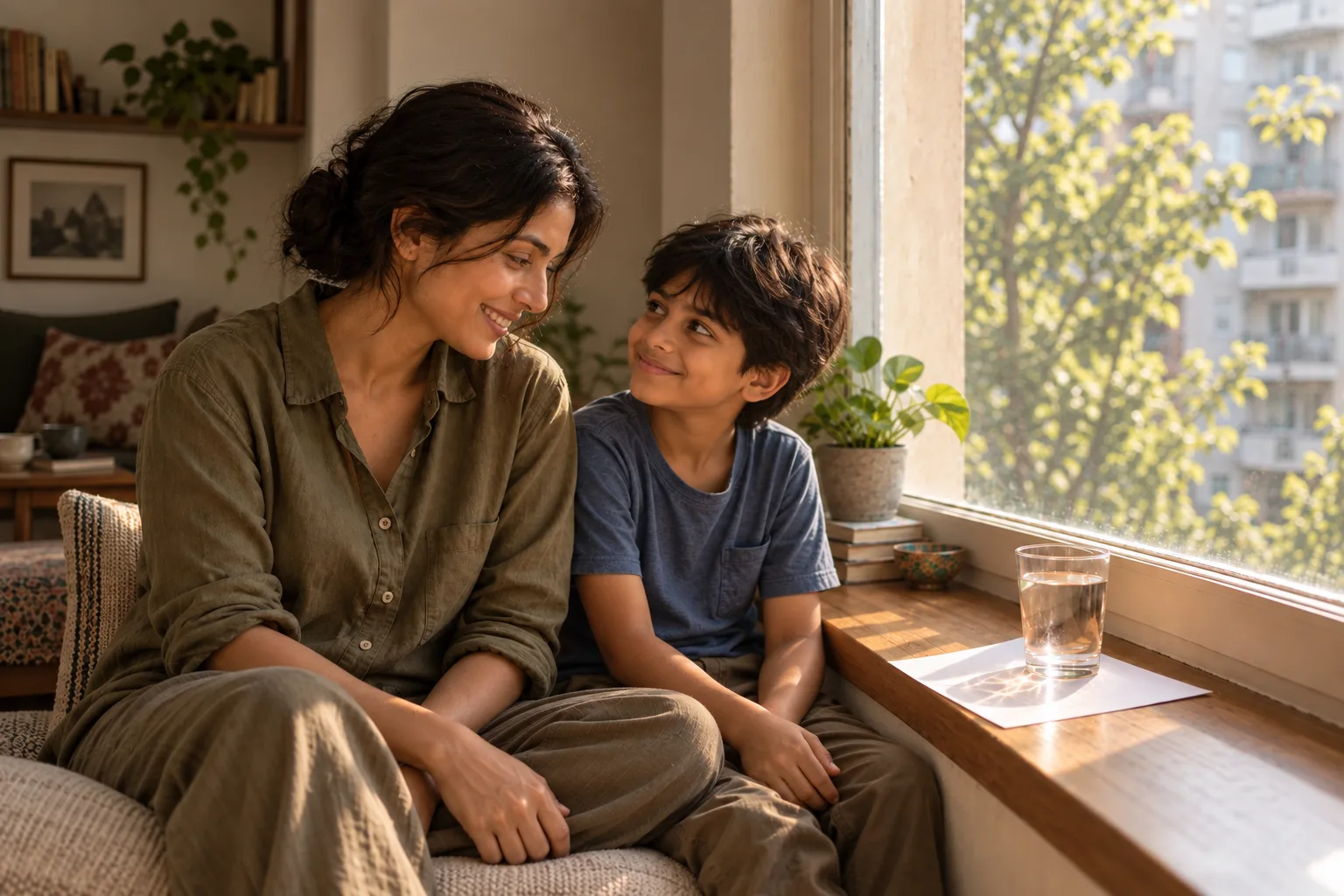
The world still holds things we have not noticed.
It begins with wonder.
Sometimes, all we need to say is: “Come and look.”
Explore clothing, headwear, and art inspired by curiosity, closer observation, and the possibilities of another look.
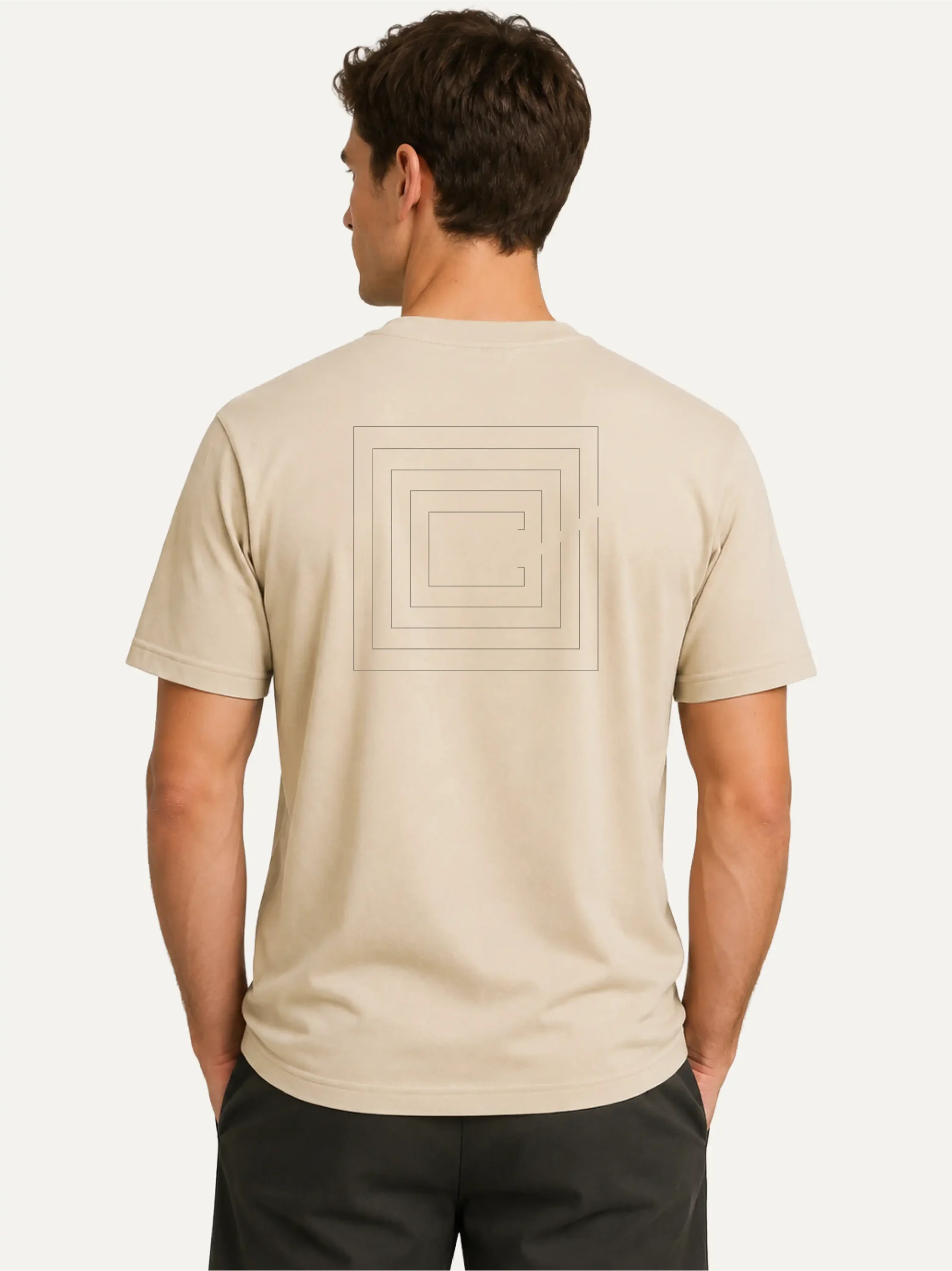
Familiar lines, small interruptions, and a reason to look again.
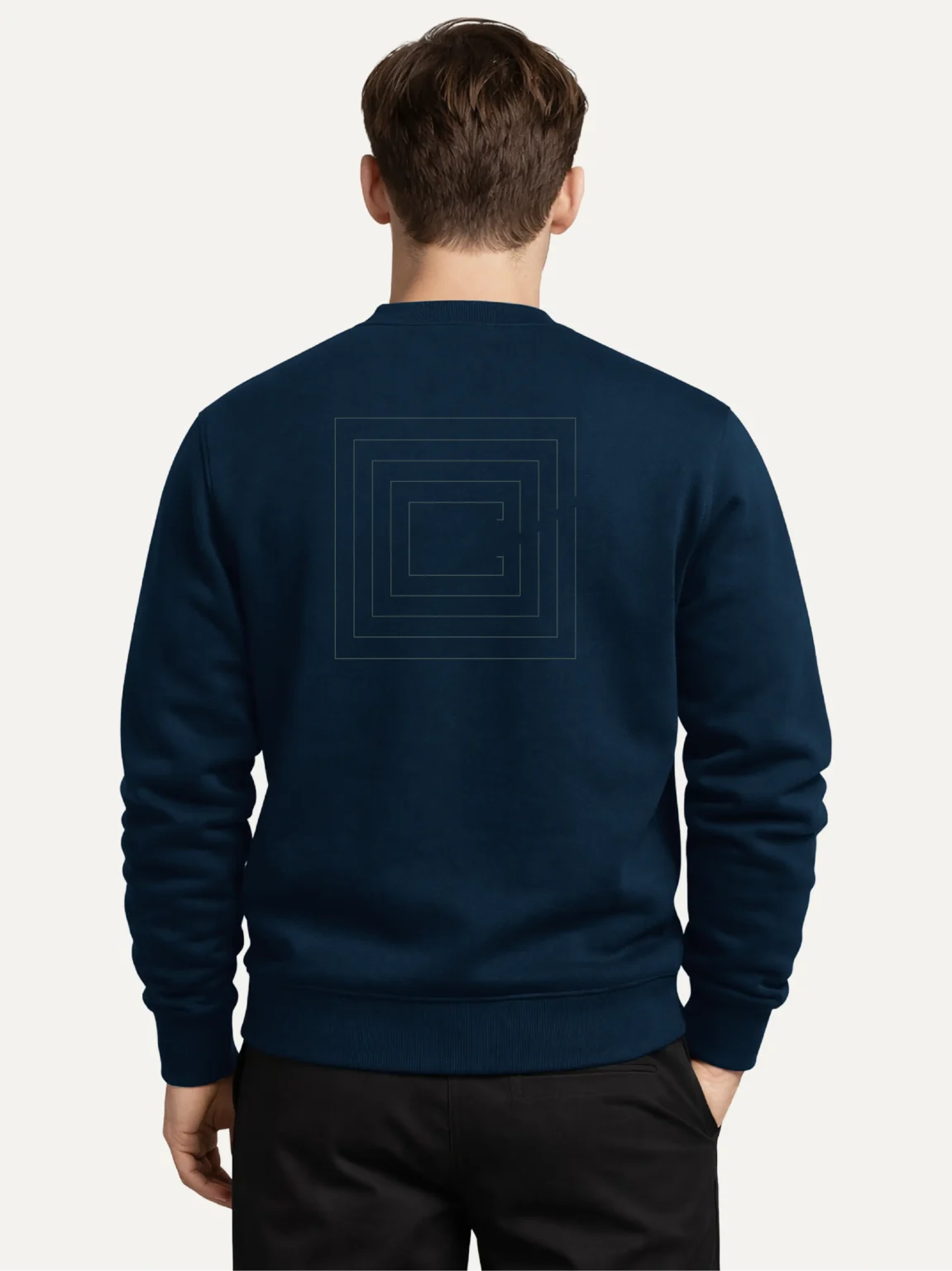
A quiet study of attention and the details familiarity can hide.
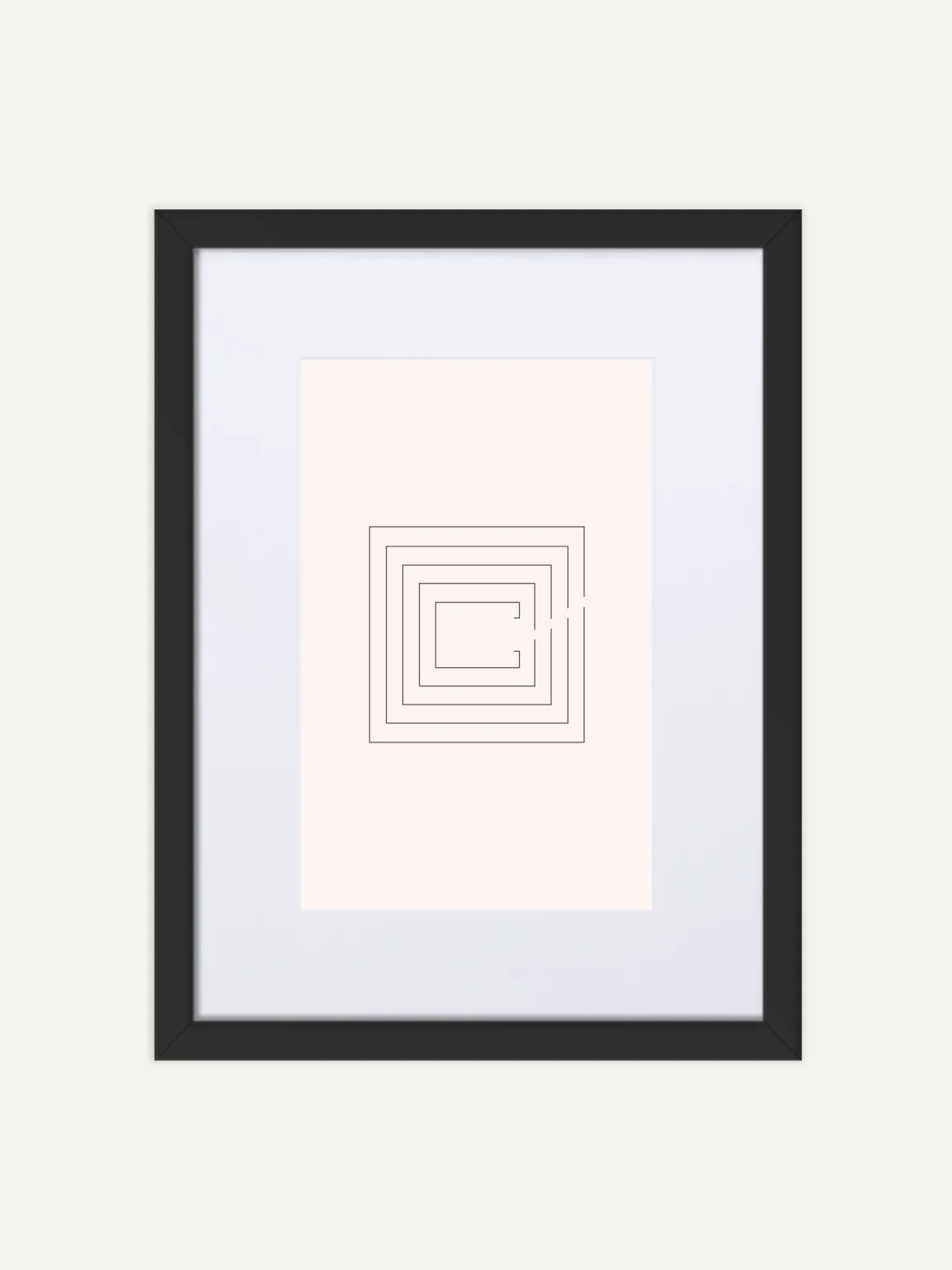
Nested contours invite closer observation and another way of seeing.
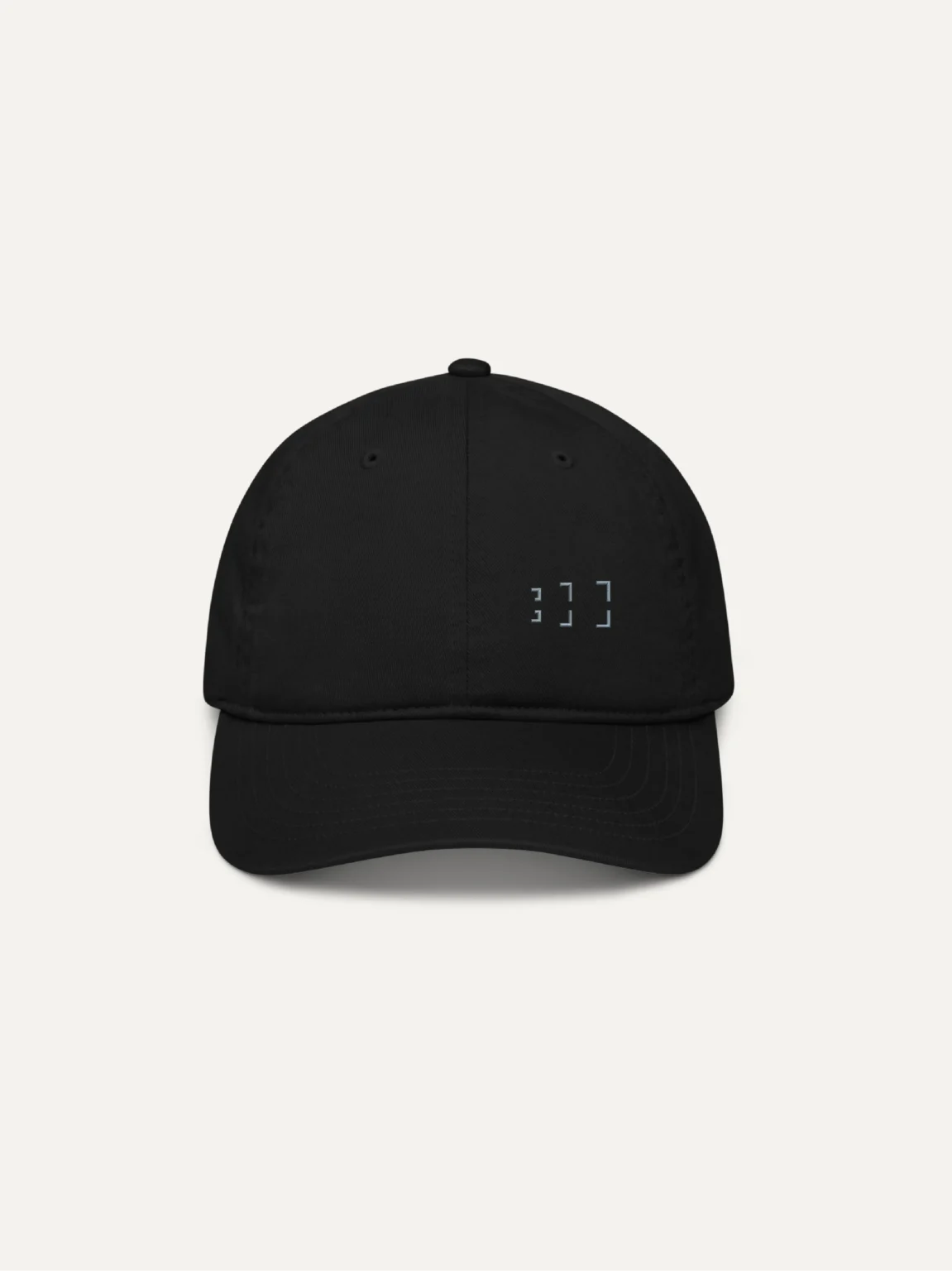
A small embroidered fragment carrying the invitation to look again.
Continue exploring The World We Make through clothing, headwear, and art inspired by curiosity, attention, and shared discovery.