

FEATURED
—
CLIMATE & NATURE
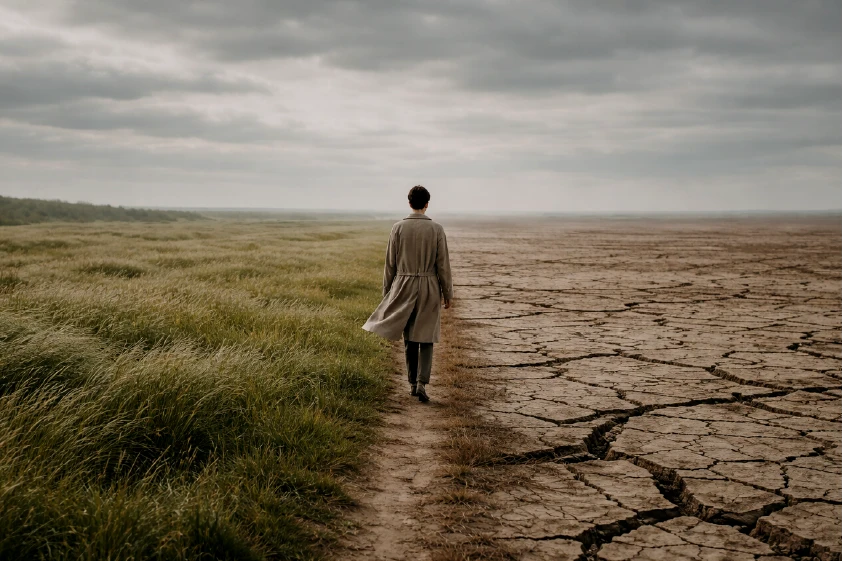
Landscapes shaped by pressure, loss, and resilience.
RARE SPECIES
A record of life on the edge of disappearance.
CULTURES AT RISK
When land changes, identity begins to fade.
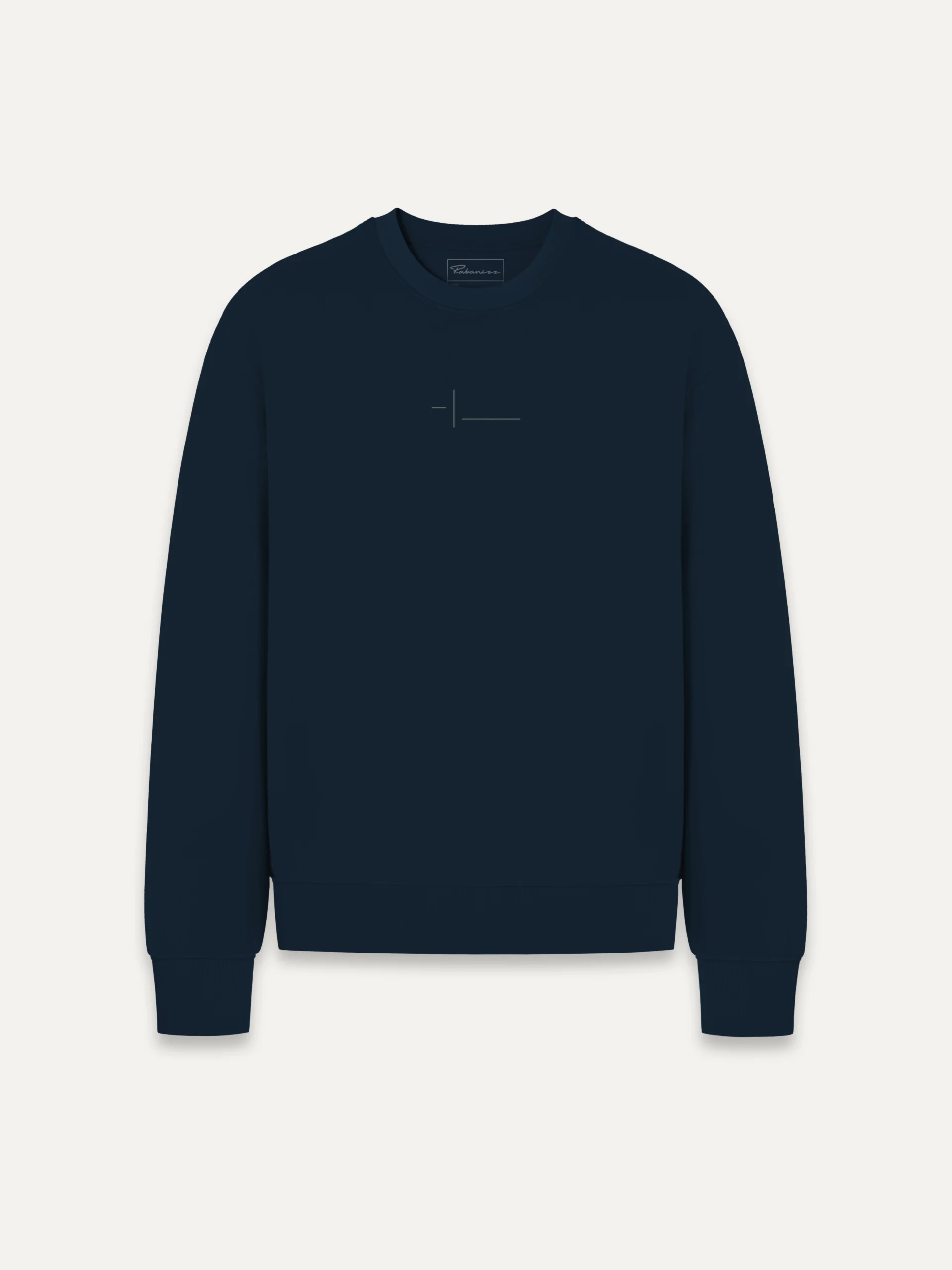
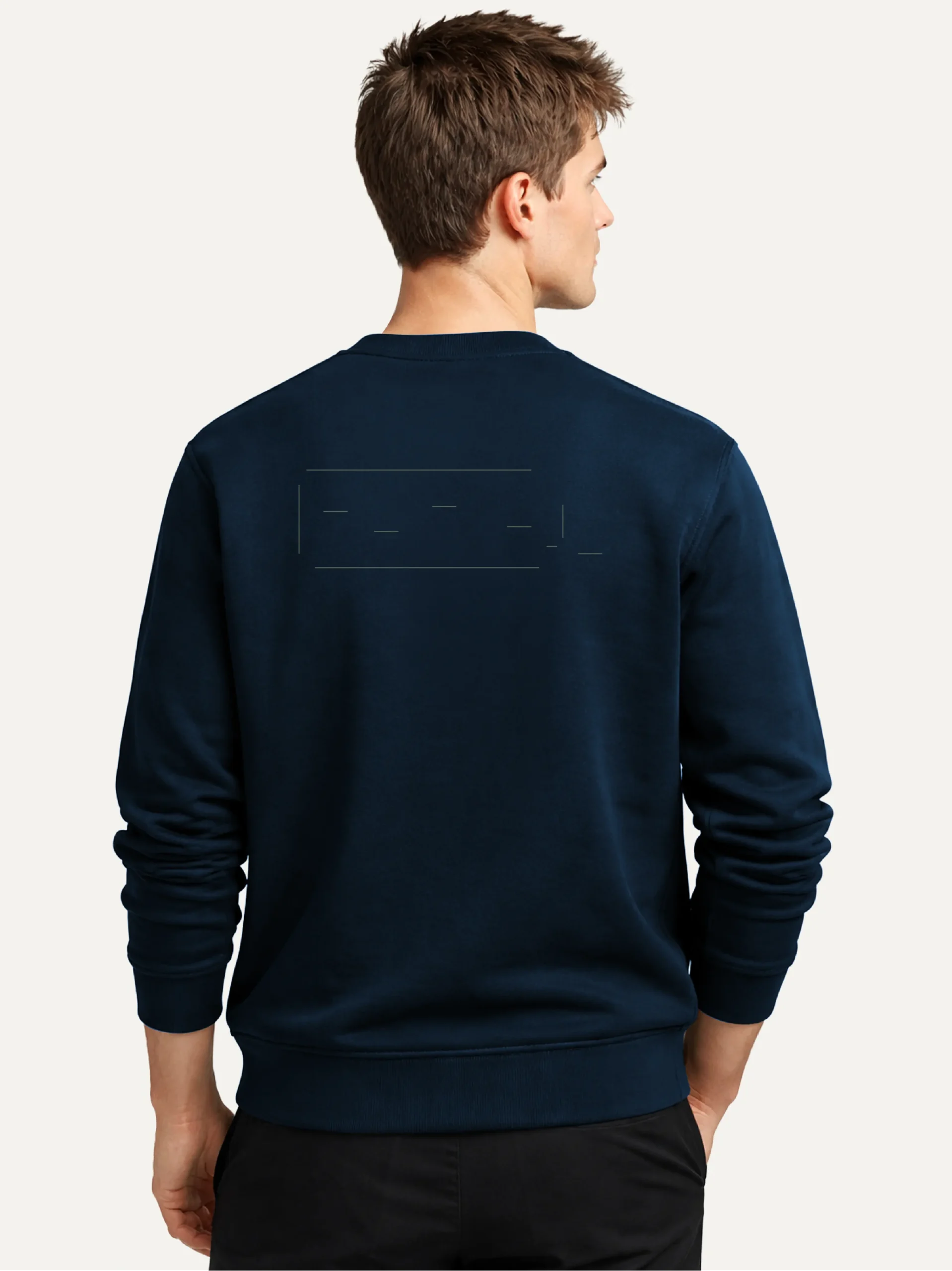
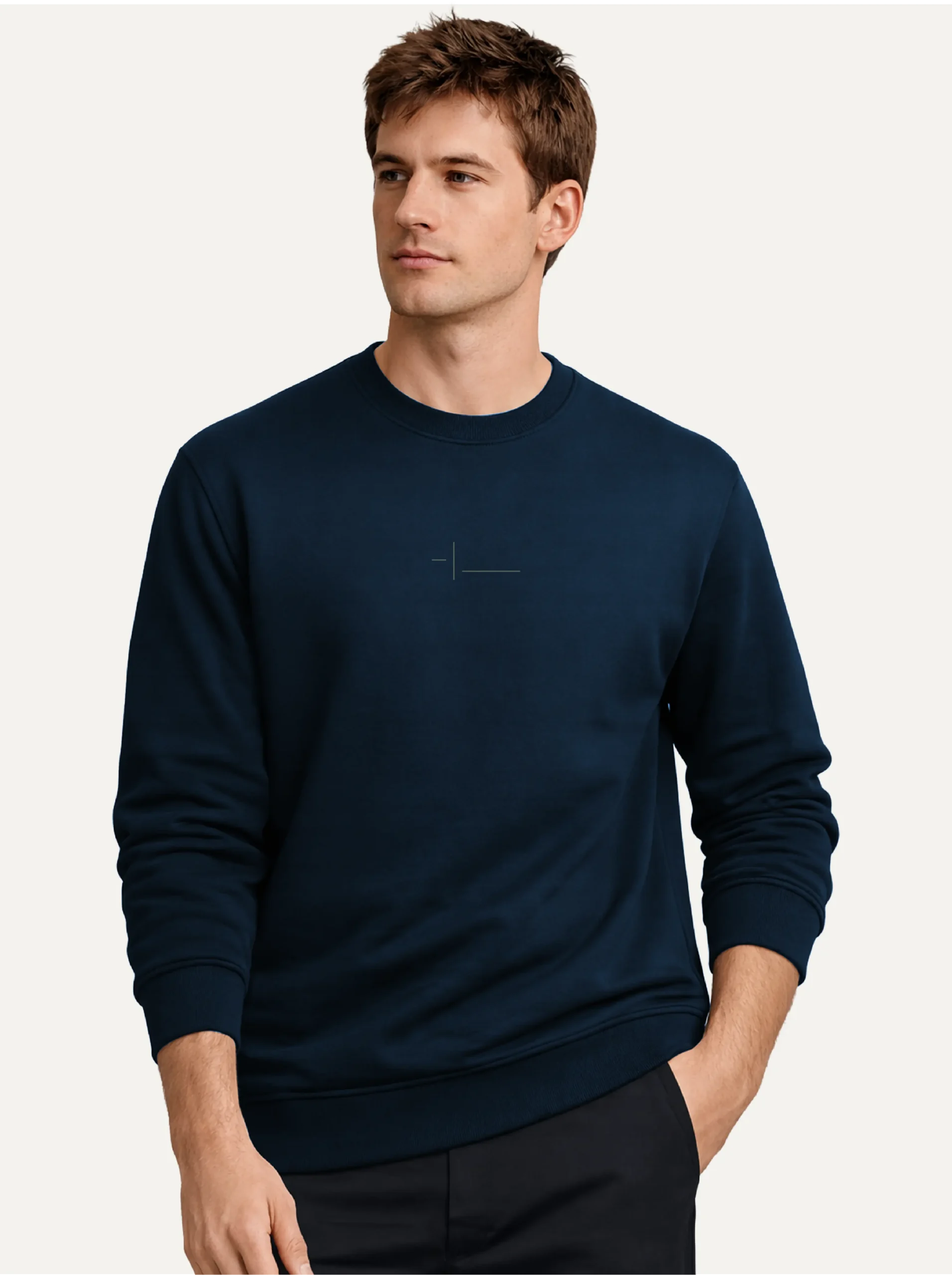

A restrained study of disrupted belonging, altered boundaries and the traces carried when people are separated from familiar ground.
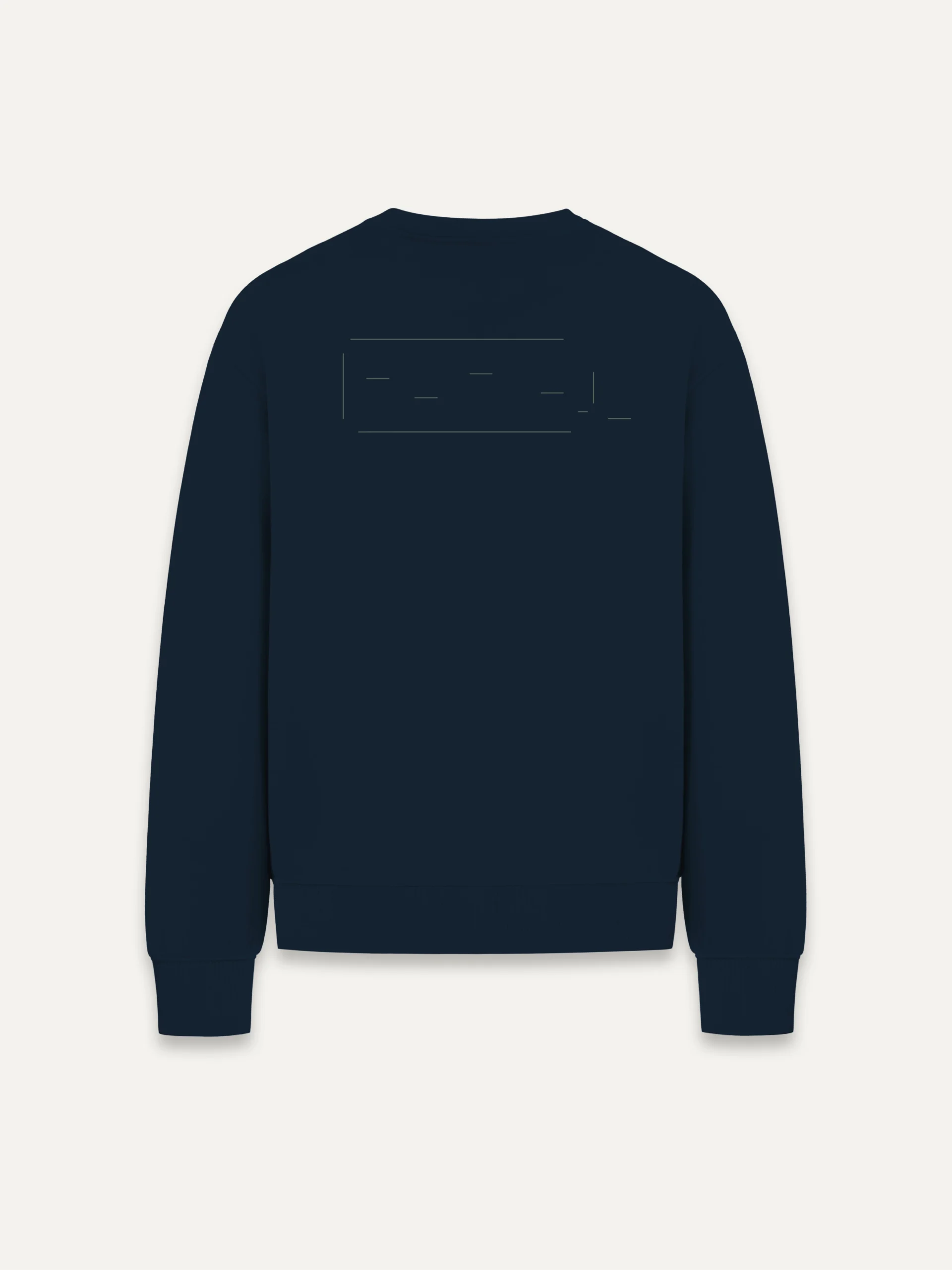
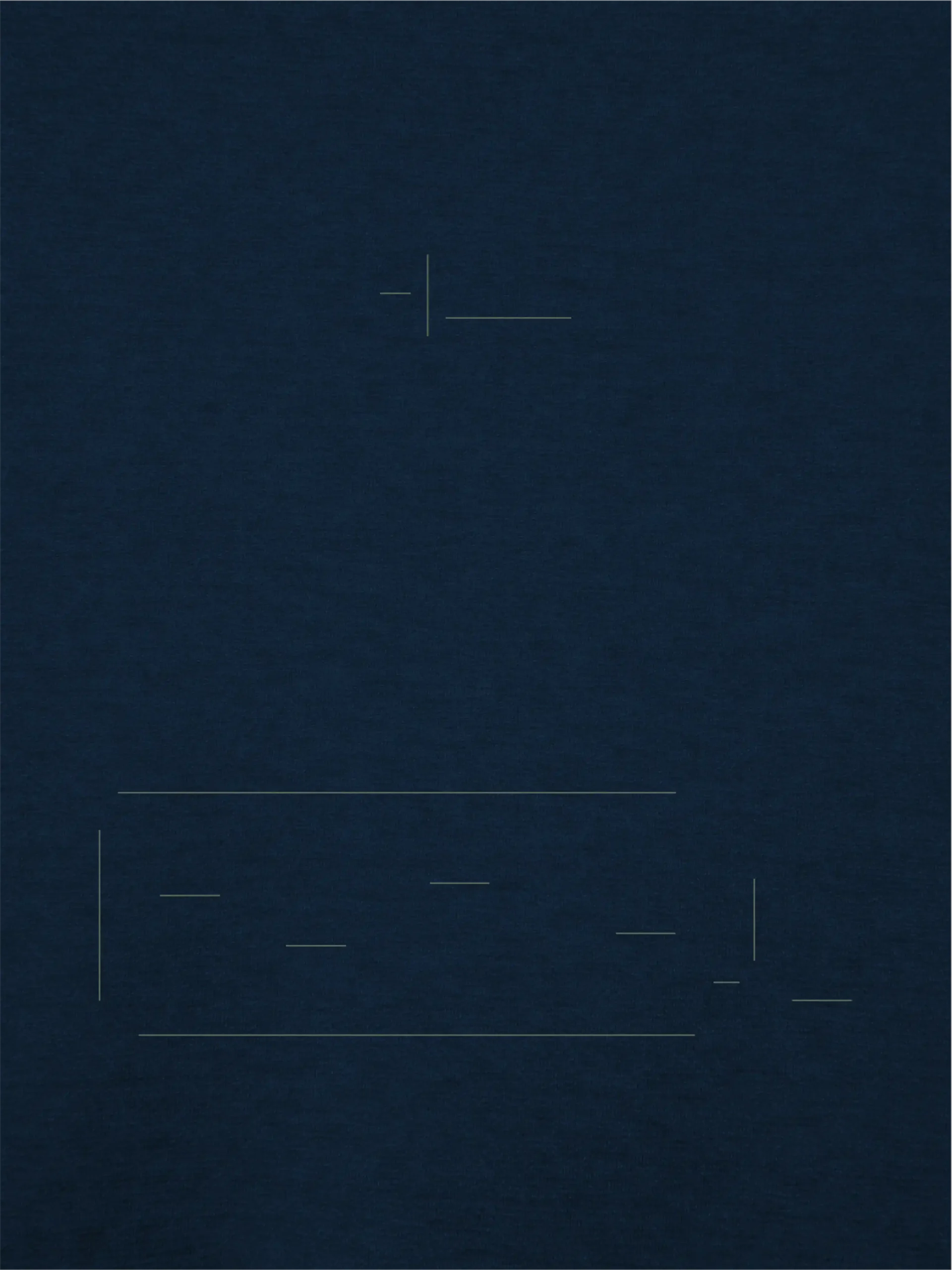
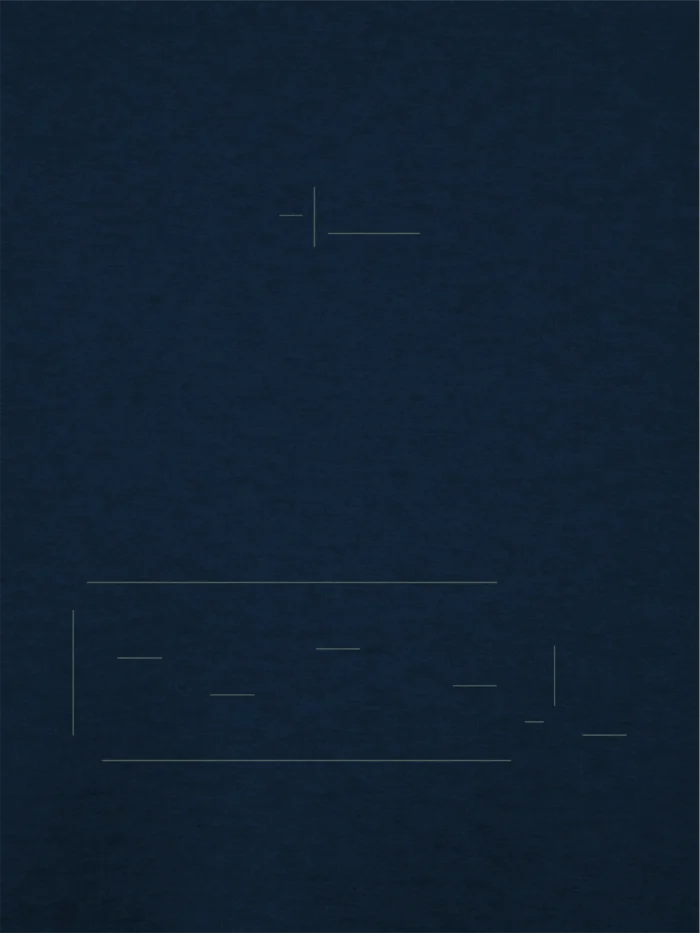
Displaced Ground explores how land can remain materially present while access, occupation and human relationship shift. An open boundary establishes the remembered field, while smaller internal marks move through uneven positions before extending beyond its original edge.
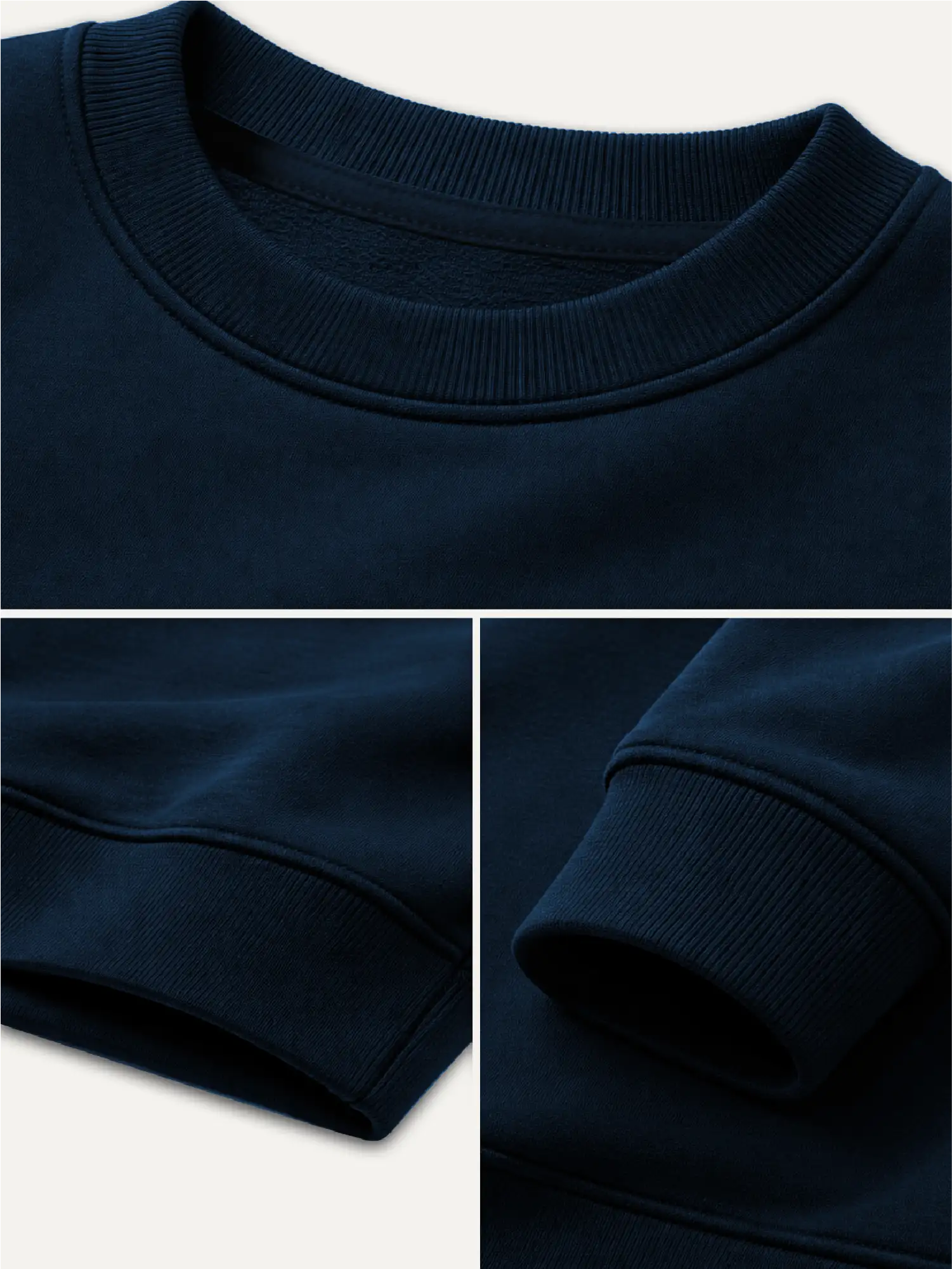
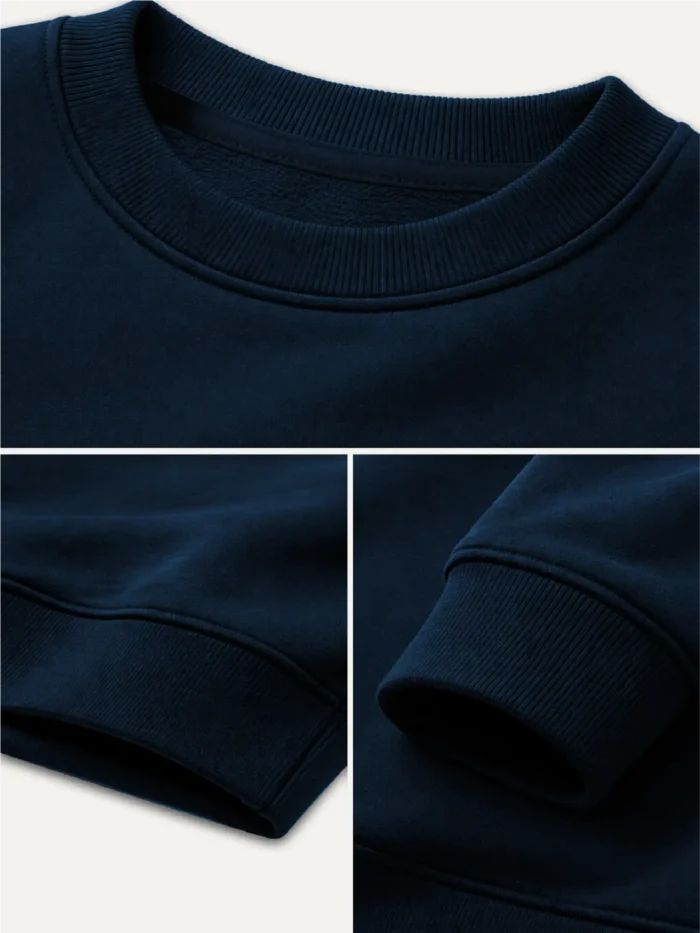
Made from 100% organic combed ring-spun cotton at a substantial 350 g/m², this heavyweight sweatshirt provides warmth, durability and a refined, structured silhouette.
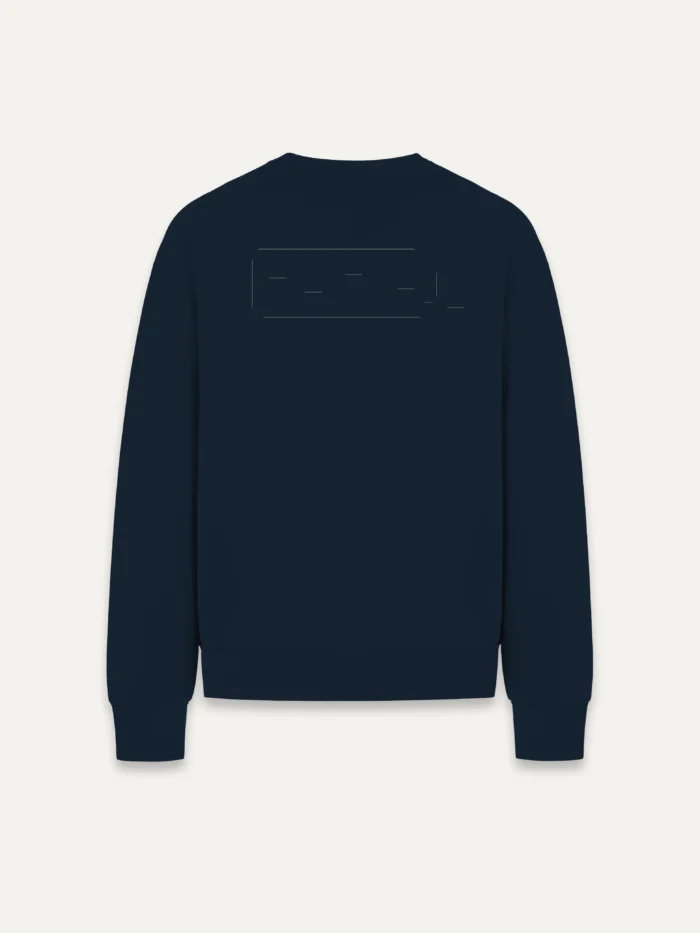
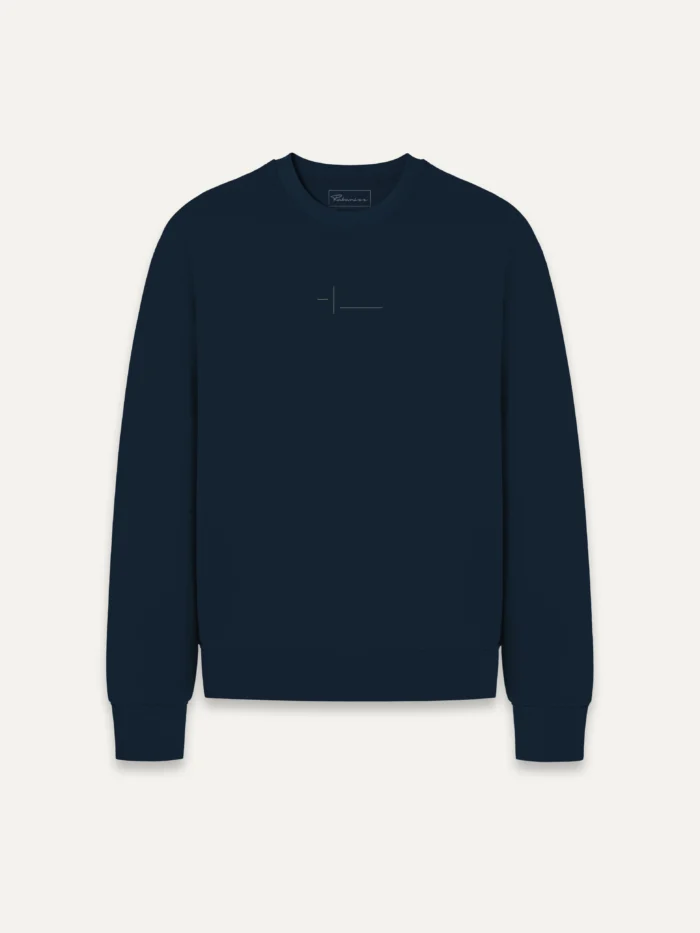
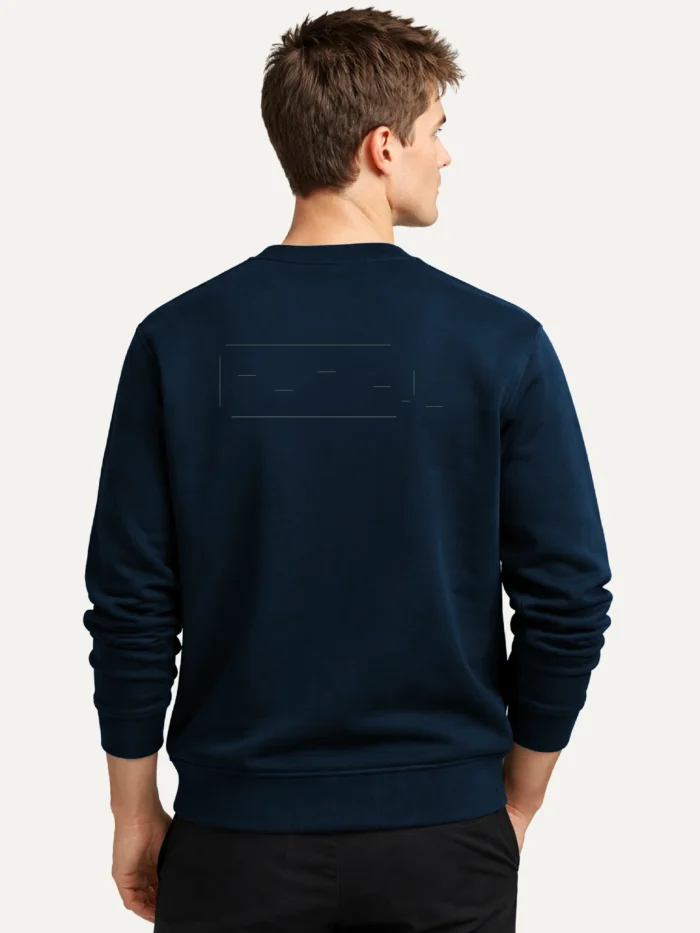
A reduced intersection signal appears at the centre chest, while the complete Displaced Ground study extends horizontally across the upper back in Muted Green linework against the French Navy base.
$109.00
Human + Land Collection · The Soil Remembers
A considered heavyweight layer built from certified organic cotton for everyday wear across seasons.
Constructed using 100% organic combed ring-spun cotton, the fabric carries a substantial 350 g/m² weight—providing warmth, durability and a structured drape while maintaining breathability.
The brushed interior offers a soft hand feel, while the outer surface remains clean, dense and refined.
Designed with restraint, the garment prioritises longevity, comfort and everyday versatility.
Displaced Ground examines what happens when people remain connected to land that they can no longer occupy, reach or relate to in the same way.
Relationships with ground are built through more than physical ownership.
A place is returned to.
Routes become familiar.
Work gathers around repeated locations.
Boundaries become understood through use.
Knowledge accumulates through continued presence.
Over time, land can become part of personal and collective memory—not only as territory, but as a structure of orientation, livelihood, responsibility and belonging.
These relationships can be unsettled.
Migration, changing livelihoods, environmental pressure, development, conflict or reduced access may separate people from familiar ground.
The land remains.
Its position may appear unchanged.
But the human relationship surrounding it has moved.
Displaced Ground translates this condition into an open linear field and a sequence of smaller internal marks arranged across the upper back.
The larger structure establishes a remembered ground.
A long upper line and lower line hold the horizontal field, while a vertical line on the left creates an initial point of support.
The boundary remains deliberately incomplete.
It does not form a fully enclosed rectangle.
On the right, a separate vertical element appears in a shifted position, suggesting that the original edge no longer holds as one continuous structure.
Within this field, smaller horizontal marks register human positions.
They do not follow a mechanically ordered path.
Some remain relatively close to the supporting structure.
Others move downward or laterally.
Their changing positions suggest people, actions or memories becoming less securely held within the ground that once organised them.
One mark approaches the displaced right boundary.
Another moves beyond it.
The outer field continues to remain visible, but its relationship with the smaller marks becomes increasingly unsettled.
The composition therefore develops as a quiet progression:
ground establishes orientation,
repeated presence creates familiarity,
a boundary begins to weaken,
internal positions shift,
distance accumulates,
the original edge becomes displaced,
and connection continues beyond the structure that once contained it.
The work does not suggest that displacement removes attachment.
The smaller marks remain visually related to the larger field even when they no longer sit securely inside it.
Their continued alignment preserves a trace of the ground from which they have moved.
At the centre chest, the complete system is reduced to a single intersection.
A vertical line establishes a temporary boundary.
One short horizontal mark approaches from the left.
A longer line continues towards the right.
The two sides do not meet in equal proportion.
This asymmetrical relationship preserves the central idea of the complete artwork: one point of separation creating different conditions on either side.
Rendered in Muted Green linework against French Navy, both applications maintain a deliberately low-contrast presence, allowing the structure to emerge gradually through closer observation.
DISPLACED GROUND
Belonging Under Pressure — Boundary & Relocation System
A minimal system examining how relationships with land persist when familiar ground becomes inaccessible, divided or differently occupied.
Ground establishes orientation.
Presence creates familiarity.
Boundary gives structure.
Pressure weakens continuity.
Displacement changes position.
Memory preserves connection.
The larger outer lines represent a remembered field of belonging.
They establish a shared spatial structure without closing it completely.
The left vertical line remains connected to the field.
It suggests an edge still held within the original relationship.
The right vertical line separates from that structure.
Its shifted position records a boundary that no longer operates as part of one continuous whole.
The smaller marks represent human positions, actions or remembered points of contact.
Their varied locations describe a gradual movement away from secure placement.
Some remain within the field.
Some approach its edge.
Others extend beyond it.
No individual mark represents a specific person or event.
Meaning develops through their changing relationship with the larger structure.
The mark beyond the displaced boundary is not detached from the composition.
It remains aligned with the wider system, preserving a visual connection to the ground from which it has moved.
The open structure is equally important.
It prevents the field from reading as a fixed parcel, map or territorial diagram.
Instead, it records belonging as a relationship that can remain active even when physical continuity has weakened.
On the centre chest, the reduced intersection condenses this wider movement.
The vertical line creates division.
The shorter left mark suggests what remains connected to the earlier position.
The longer right line continues into altered space.
The composition does not resolve through restoration.
The boundary remains open.
The internal positions remain changed.
Connection survives, but it is carried from somewhere else.
Displaced Ground is a research-led, non-literal interpretation of land, separation and continuing attachment. It does not document a particular territory, migration, conflict, community or historical event.
An observation of ground that remains remembered after the conditions of belonging have changed.
Cut in a regular unisex fit, the silhouette remains structured yet non-restrictive.
A reduced Displaced Ground intersection appears at the centre chest, while the complete open-field composition extends horizontally across the upper back.
Both applications are rendered in Muted Green linework, creating a quiet, controlled contrast against the French Navy base.
EU sizing.
US customers may prefer ordering one size up for a more relaxed fit.
Designed to be worn often and kept over time.
This product is made on demand.
Producing only what is ordered helps reduce excess inventory and unnecessary overproduction.
Part of Human + Land — The Soil Remembers, a research-led visual archive examining the reciprocal relationship between people and the ground they depend upon.
The collection considers repeated return, seasonal care, adaptation, instability, migration and the residual memory carried by land after established patterns of human presence have changed.
Rather than illustrating agriculture, migration or rural life, the works translate these relationships into restrained systems of continuity, interval, boundary, interruption and return.
Displaced Ground examines how belonging can remain connected to land after access, occupation or familiar patterns of presence have changed.
The work is presented as an informed, non-literal interpretation rather than documentation of a particular place, community, displacement or territorial history.