

FEATURED
—
CLIMATE & NATURE
Landscapes shaped by pressure, loss, and resilience.
RARE SPECIES
A record of life on the edge of disappearance.
CULTURES AT RISK
When land changes, identity begins to fade.
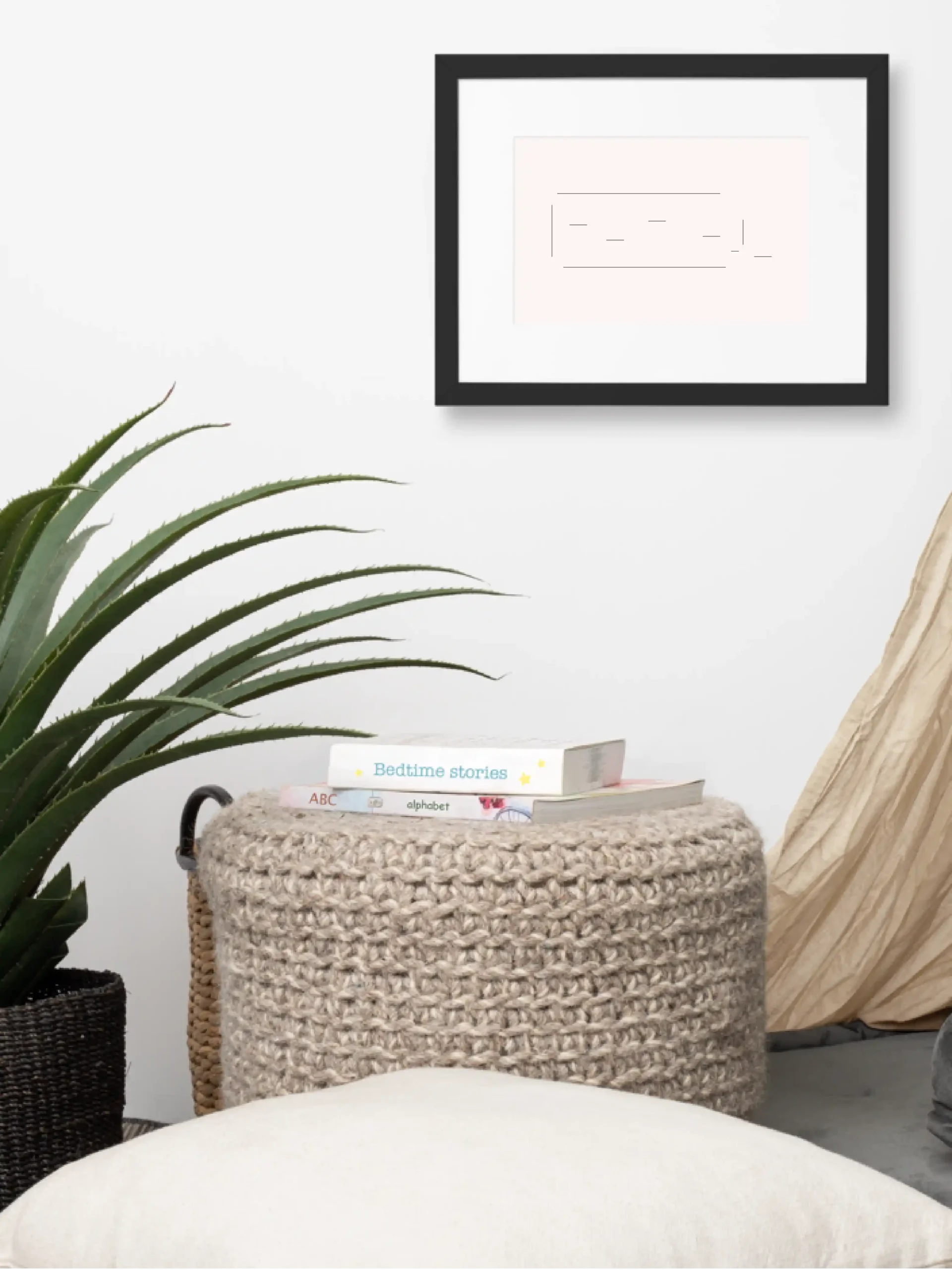
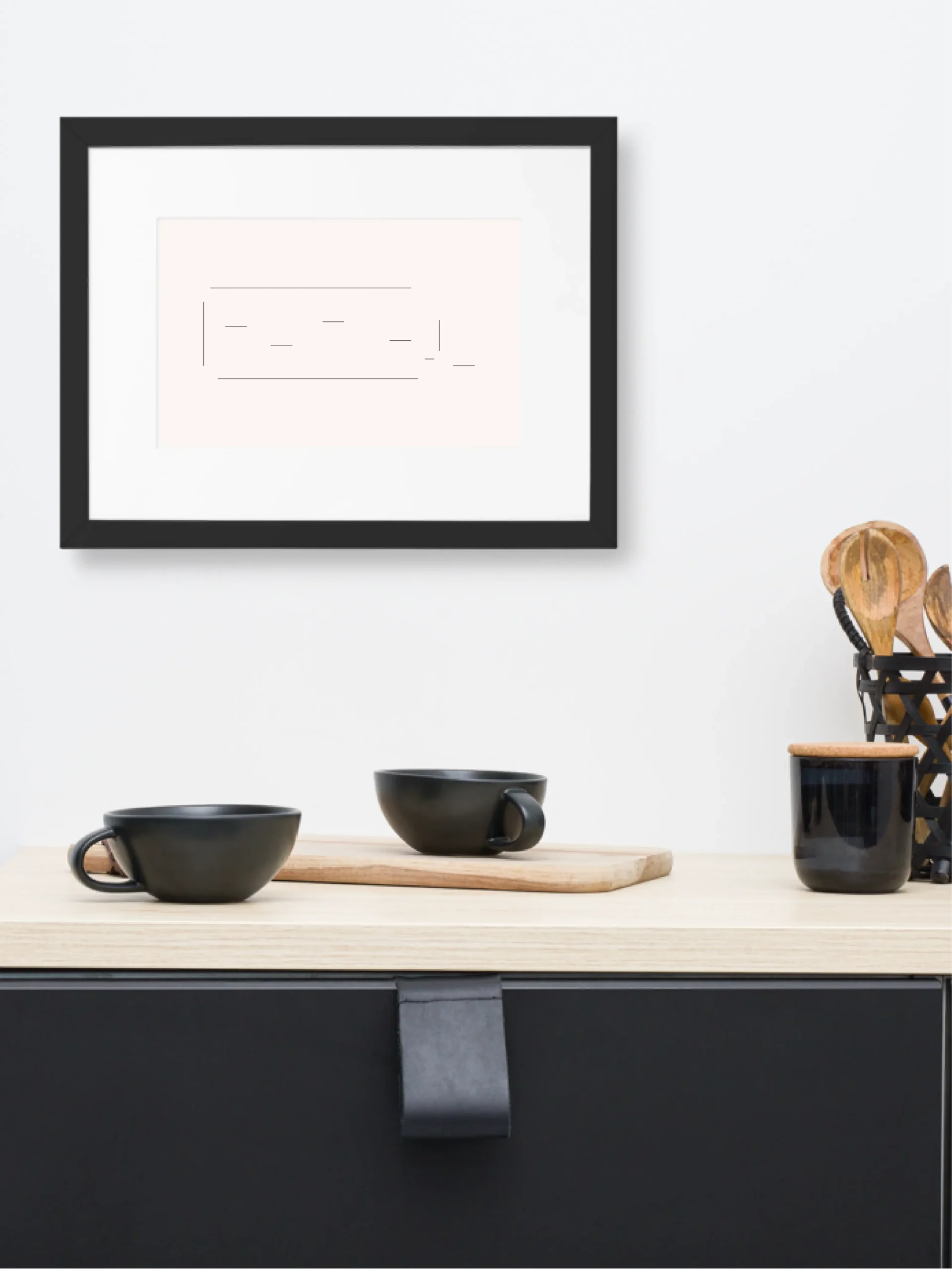
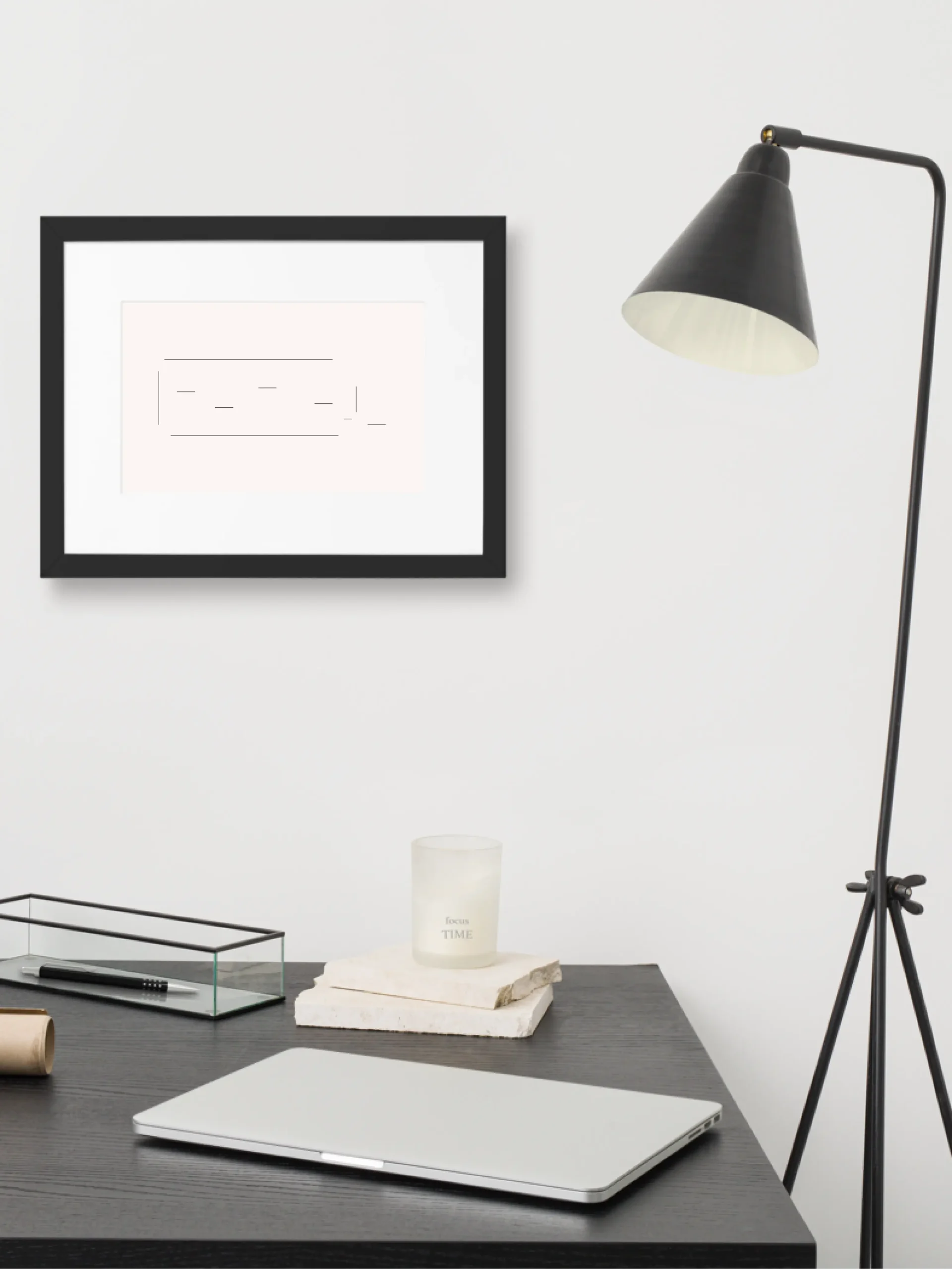
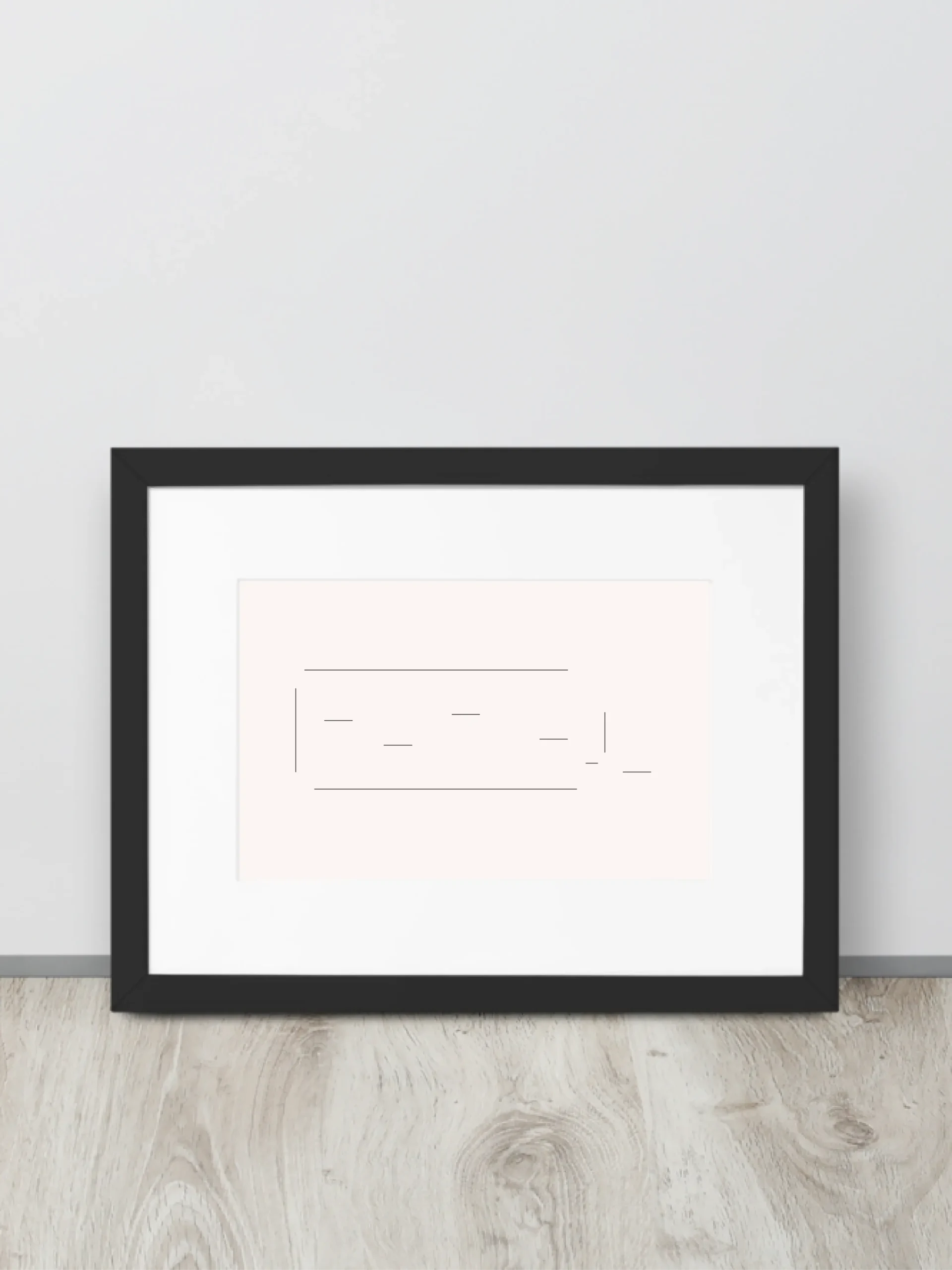
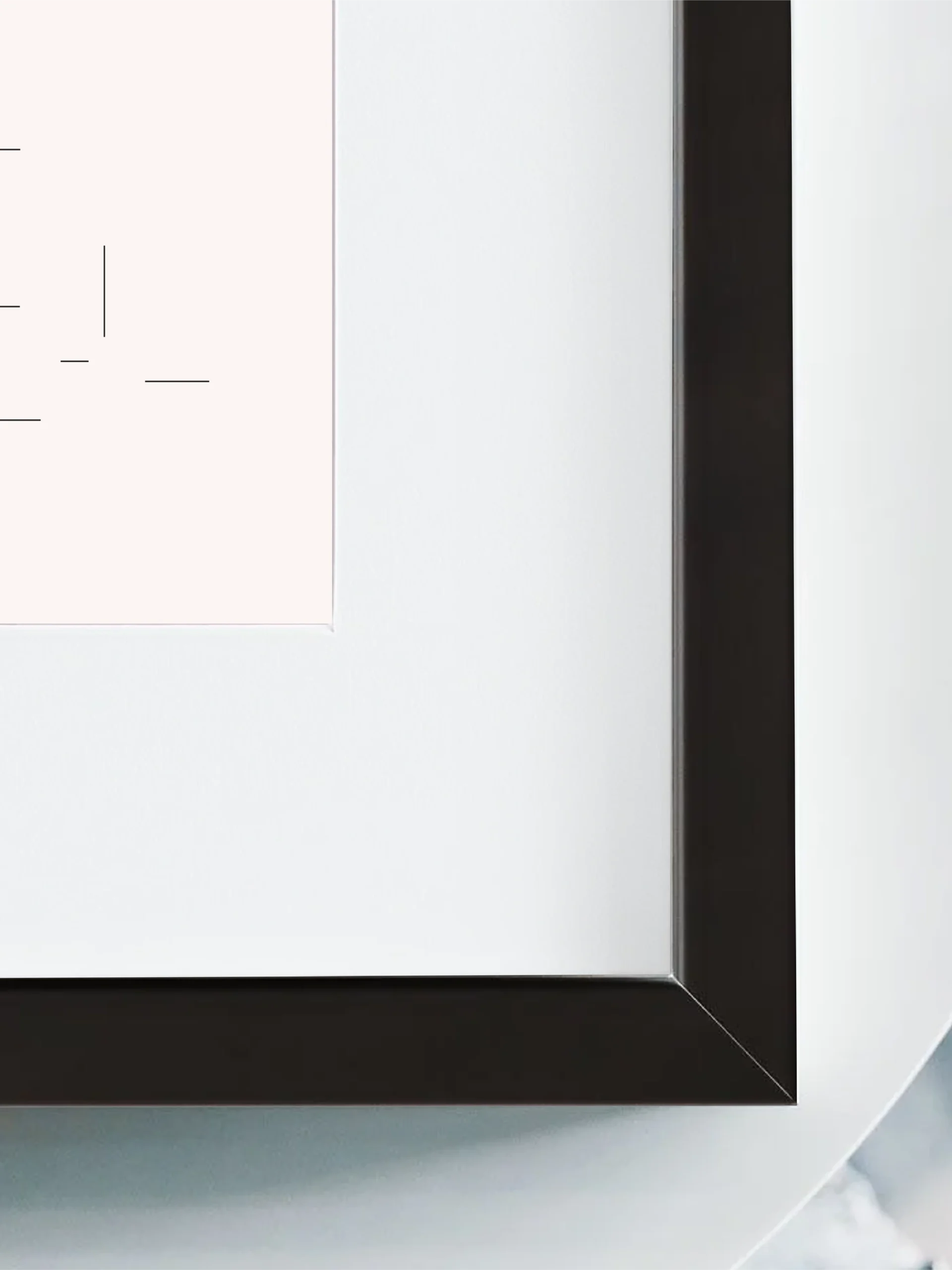
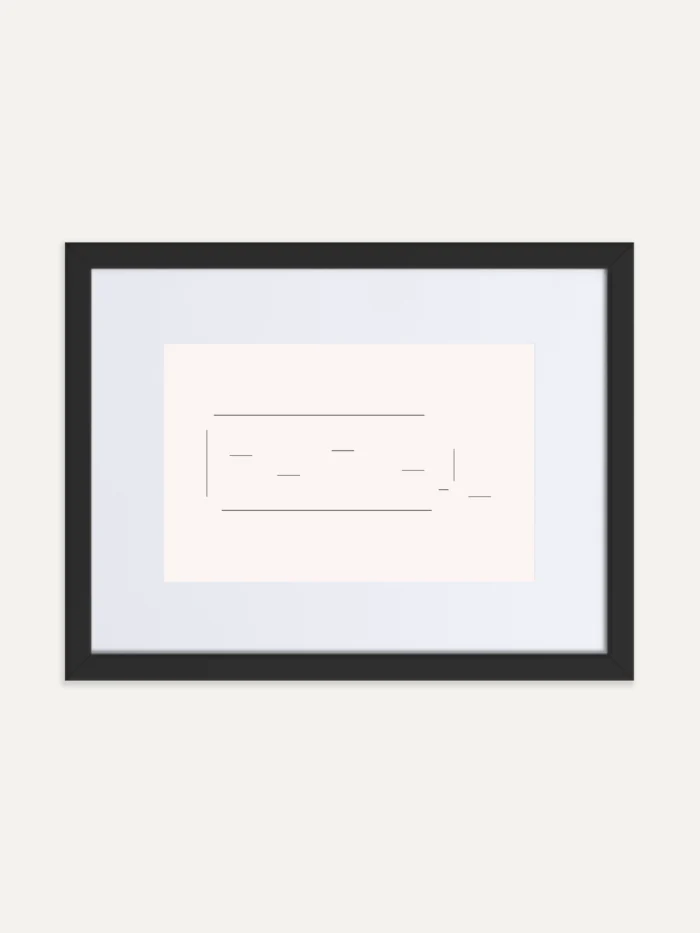
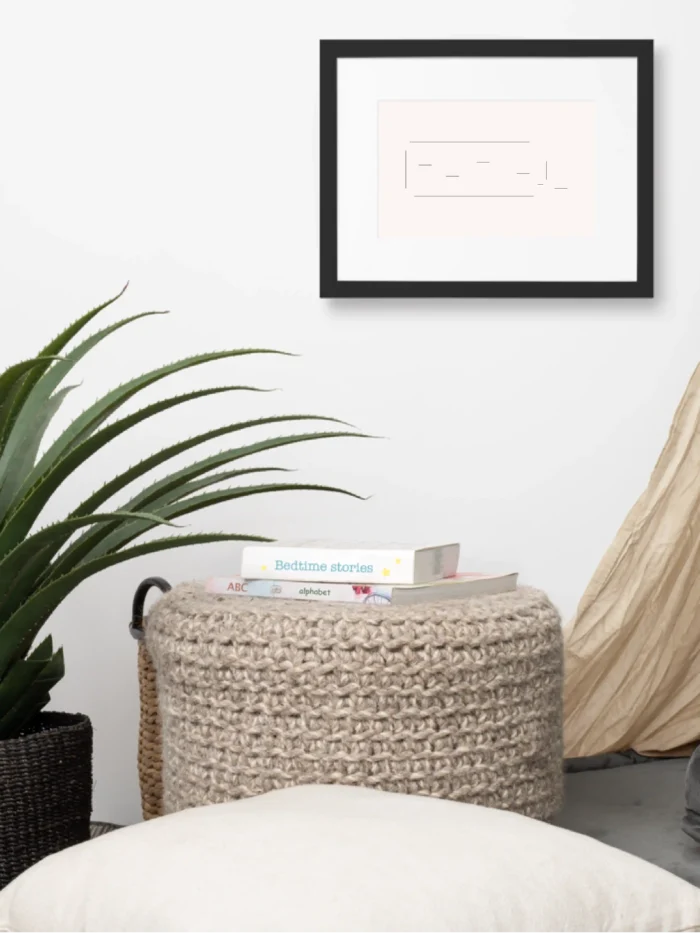
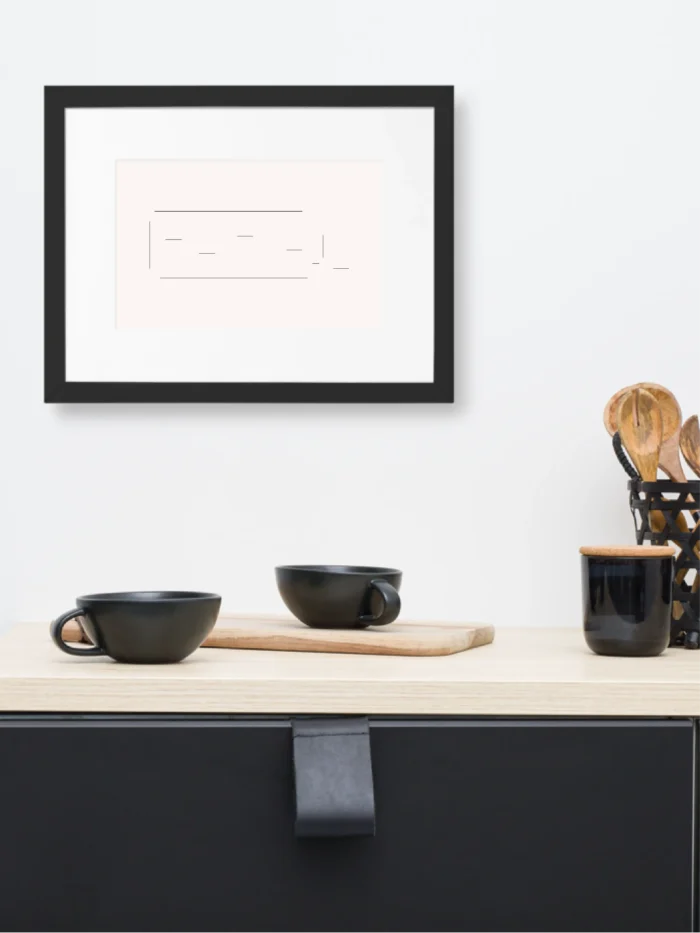
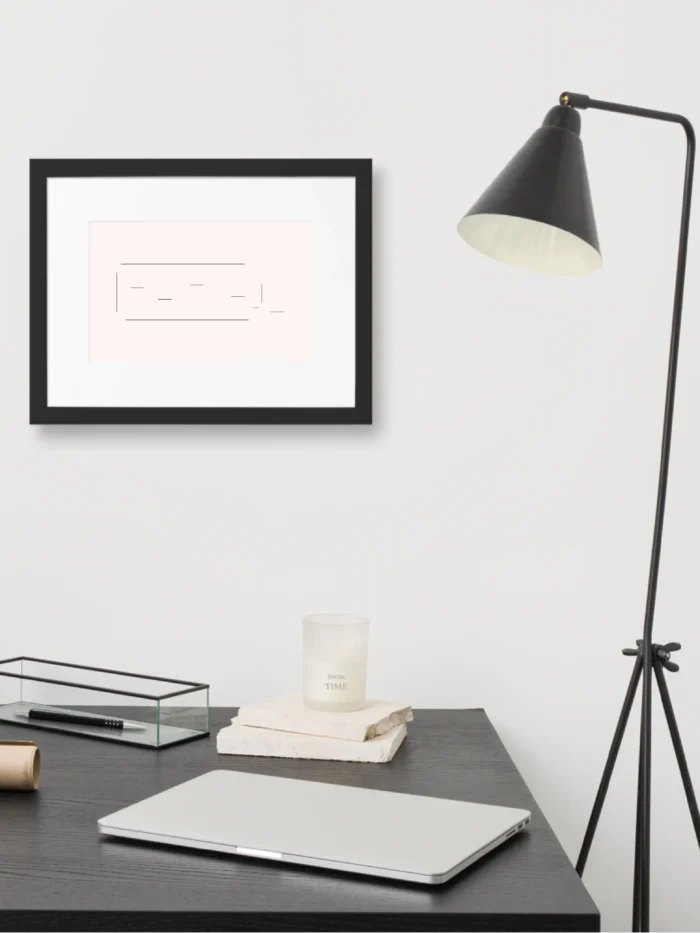
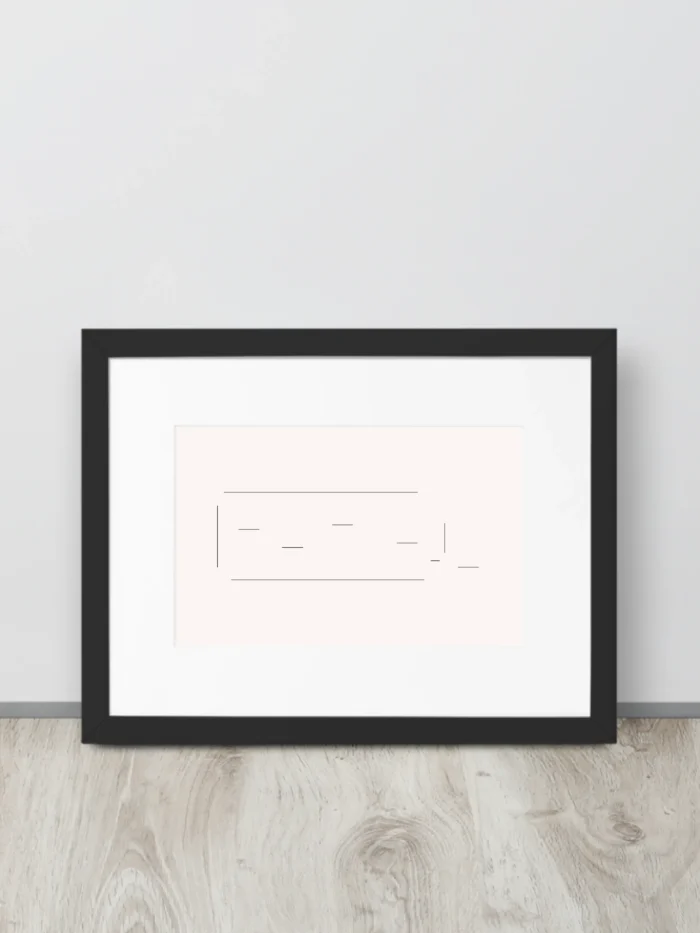
A restrained study of altered belonging, shifting boundaries and the traces maintained when people are separated from familiar ground.
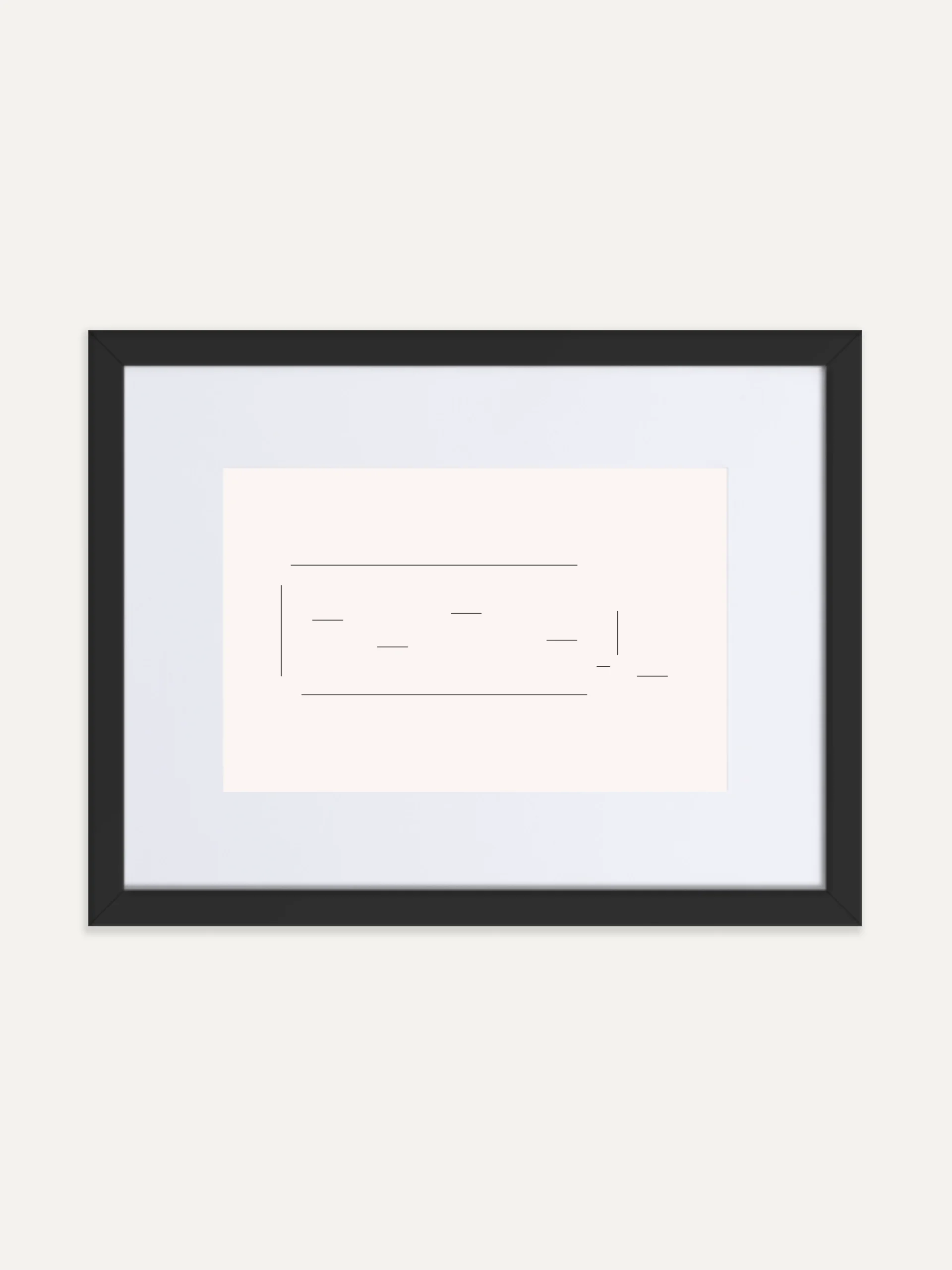
Displaced Ground examines how land can remain present in memory while access, occupation and the conditions of belonging change. An open linear field holds a series of smaller marks that move unevenly through and beyond its boundary—recording displacement as a change of position without erasing the memory of connection.
Expressed as a framed wall study for calm, structured interiors.
Printed on museum-quality matte paper at 189 g/m² and presented with a white mat board and black ayous wood frame, the work translates the Displaced Ground system into a quiet architectural presence.
40 × 30 cm · Ready to hang.
$129.00
Human + Land Collection · The Soil Remembers
A minimal study of altered belonging, shifting boundaries and remembered connection within the relationship between people and land.
Displaced Ground — Study 03 translates the separation between familiar ground and changing human position into a restrained horizontal composition.
The work considers how belonging develops through repeated presence, access and familiarity—and how that relationship changes when the conditions that once supported continuity become unstable.
Reduced to an open linear field, two unequal boundary marks and a sequence of smaller displaced elements, the composition records movement beyond an established structure without suggesting that the earlier relationship has disappeared.
Displaced Ground examines what happens when familiar land remains materially or emotionally present, but the conditions that once supported belonging, access and continuity have changed.
Relationships with ground are often developed through repeated presence.
A place becomes familiar.
Routes are remembered.
Work is resumed.
Conditions are observed.
Knowledge accumulates through continued contact.
Boundaries—physical, social or understood—give structure to this relationship.
They help define where activity occurs, where care is maintained and where belonging is experienced.
These conditions are not always permanent.
Changing livelihoods, environmental pressure, restricted access, migration, displacement and altered patterns of occupation can weaken continuity between people and familiar ground.
A known position may become uncertain.
An established boundary may shift.
Presence may be redistributed.
Movement may continue beyond the structure that once contained it.
The artwork does not illustrate borders, maps, landscapes, buildings, migration routes or recognisable territorial imagery.
Instead, it translates this changing relationship into a large open linear field containing a sequence of smaller marks.
Two long horizontal lines establish the primary ground.
They create a shared spatial reference—an extended field that remains visible throughout the composition.
A vertical line supports the left side of the structure.
Its position suggests an established boundary held through familiarity and repeated occupation.
The opposite side does not close in the same way.
A separate vertical mark appears further to the right, displaced from the alignment of the larger field.
This shifted boundary introduces instability without removing the original structure.
Smaller horizontal marks register human presence, activity and changing position.
The earliest marks remain within the established field.
They occupy separate locations, but continue to relate clearly to the ground surrounding them.
As the sequence moves towards the right, the marks approach the field’s open edge.
One small response sits near the displaced vertical boundary.
Later marks move beyond the main structure, occupying positions no longer contained by the earlier ground lines.
The movement is gradual.
There is no single dramatic break.
Instead, displacement becomes visible through a series of changing relationships between the larger field, its boundaries and the smaller elements moving through it.
The composition therefore develops as a quiet progression:
ground establishes orientation,
repeated presence creates familiarity,
boundary gives structure to belonging,
pressure weakens continuity,
positions begin to shift,
movement extends beyond the established field,
and memory preserves connection with what remains.
The larger structure does not disappear when the smaller marks move beyond it.
It remains visible as remembered ground—a continuing reference carried after physical position has changed.
The final marks do not return to their earlier alignment.
They continue from altered positions, preserving connection without suggesting complete restoration.
Rendered as fine Charcoal linework within a soft warm-white field, the artwork remains quiet and precise.
Generous negative space allows the relationships between ground, boundary, movement and memory to emerge through close observation rather than immediate visual impact.
DISPLACED GROUND
Belonging Under Pressure — Boundary & Relocation System
A minimal system examining how relationships with familiar ground change when access, continuity and established positions come under pressure.
Ground establishes orientation.
Presence creates familiarity.
Boundary gives structure.
Pressure weakens continuity.
Displacement changes position.
Memory preserves connection.
The long horizontal lines represent remembered ground.
They establish a continuing spatial reference that remains present even after the human relationship with it has changed.
The upper line introduces the field.
The lower line carries its continuity forward while ending at a different position.
This unequal alignment prevents the structure from becoming a fixed enclosure and acknowledges that remembered ground may remain recognisable without remaining unchanged.
The connected vertical line on the left suggests an established boundary held through familiarity and repeated occupation.
The separate vertical mark toward the right introduces instability.
It does not close the field or restore a balanced enclosure.
Instead, it indicates that the position of the boundary has become uncertain, altered or detached from its earlier structure.
The smaller horizontal marks register human presence.
Their uneven positions suggest individuals, actions and relationships that no longer occupy a shared alignment.
Some remain within the remembered field.
Others approach its edge.
Several continue beyond it.
No single mark represents displacement in isolation.
The change becomes visible through comparison across the complete composition.
Movement accumulates.
Internal positions become less stable.
The relationship with the original field becomes more distant.
The final marks remain visually connected to the wider sequence, but they are no longer contained by the earlier boundary.
The movement beyond the field does not imply that the original relationship has disappeared.
The larger structure remains visible as a field of memory, orientation and attachment.
Displacement is therefore recorded not as complete separation, but as a changed relationship between ground and position.
The system does not resolve by closing the open field, restoring the original boundary or returning every mark to its earlier location.
It preserves the unequal structure and the movement beyond it.
Displaced Ground does not document a particular territory, migration, conflict, community or historical event. It is a research-led interpretation of how belonging can remain connected to remembered ground after access, occupation or established relationships have changed.
An observation of ground that remains remembered after the conditions of belonging have changed.
The landscape orientation reinforces ground, distance and movement across an extended field.
Two long horizontal lines establish a restrained spatial reference, while the smaller internal marks create an uneven rhythm across the composition.
The connected left boundary provides an initial sense of stability.
The separate vertical mark and smaller elements extending beyond the right side introduce displacement without removing the wider structure.
Differences in position, length and interval prevent the composition from becoming mechanically repetitive.
Generous negative space allows each relationship to remain distinct while preserving the quiet character of the work.
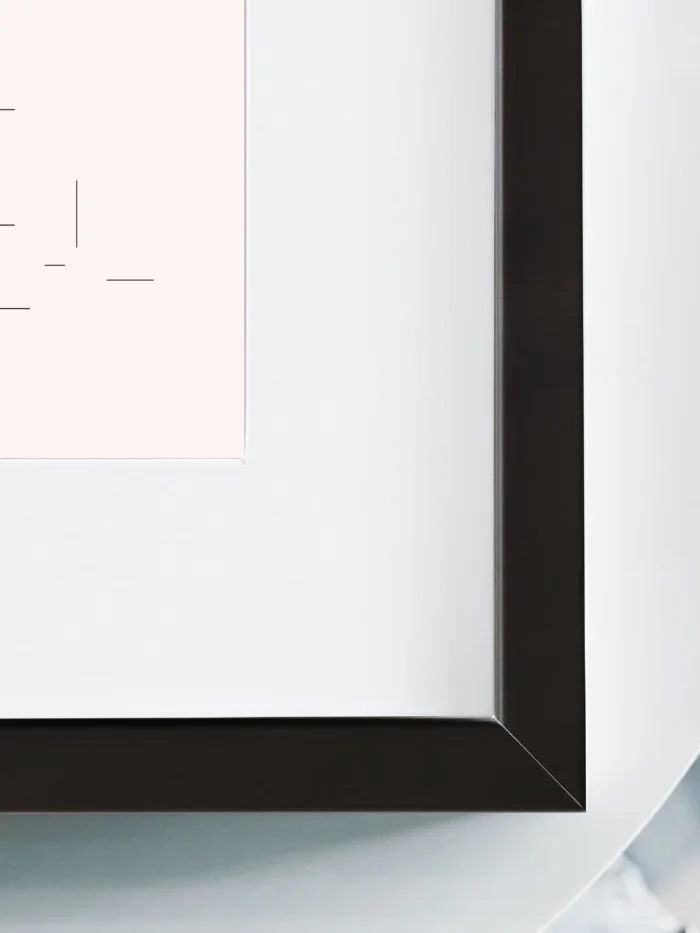
The white mat board creates breathing space around the artwork, while the black frame establishes a precise architectural boundary.
This framed boundary sits in deliberate contrast to the open and displaced structure within the artwork.
Designed for considered interiors, the work can sit comfortably within living spaces, studios and work environments without becoming visually dominant.
Printed on museum-quality matte paper using precision water-based inkjet printing to preserve fine-line clarity and restrained tonal variation.
A white mat board surrounds the artwork, creating depth and visual separation.
The black ayous wood frame provides a clean, structured edge aligned with the minimal visual language of Human + Land.
Ready to hang.
Suitable for interiors that value clarity, structure and a restrained visual language.
Each piece is produced on demand.
Printing only when ordered helps reduce excess inventory and unnecessary material waste.
Part of Human + Land — The Soil Remembers, a research-led visual archive examining the reciprocal relationship between people and the ground they depend upon.
The collection considers repeated return, seasonal care, adaptation, instability, migration and the residual memory carried by land after established patterns of human presence have changed.
Rather than illustrating agriculture, territory or rural life, the works translate these relationships into restrained systems of continuity, boundary, interval, interruption and return.
Displaced Ground examines how familiar land can remain present in memory while access, occupation and the conditions of belonging change—and how connection may continue from an altered position.
The work is presented as an informed, non-literal interpretation rather than documentation of a particular place, community, displacement or historical event.