

FEATURED
—
CLIMATE & NATURE
Landscapes shaped by pressure, loss, and resilience.
RARE SPECIES
A record of life on the edge of disappearance.
CULTURES AT RISK
When land changes, identity begins to fade.
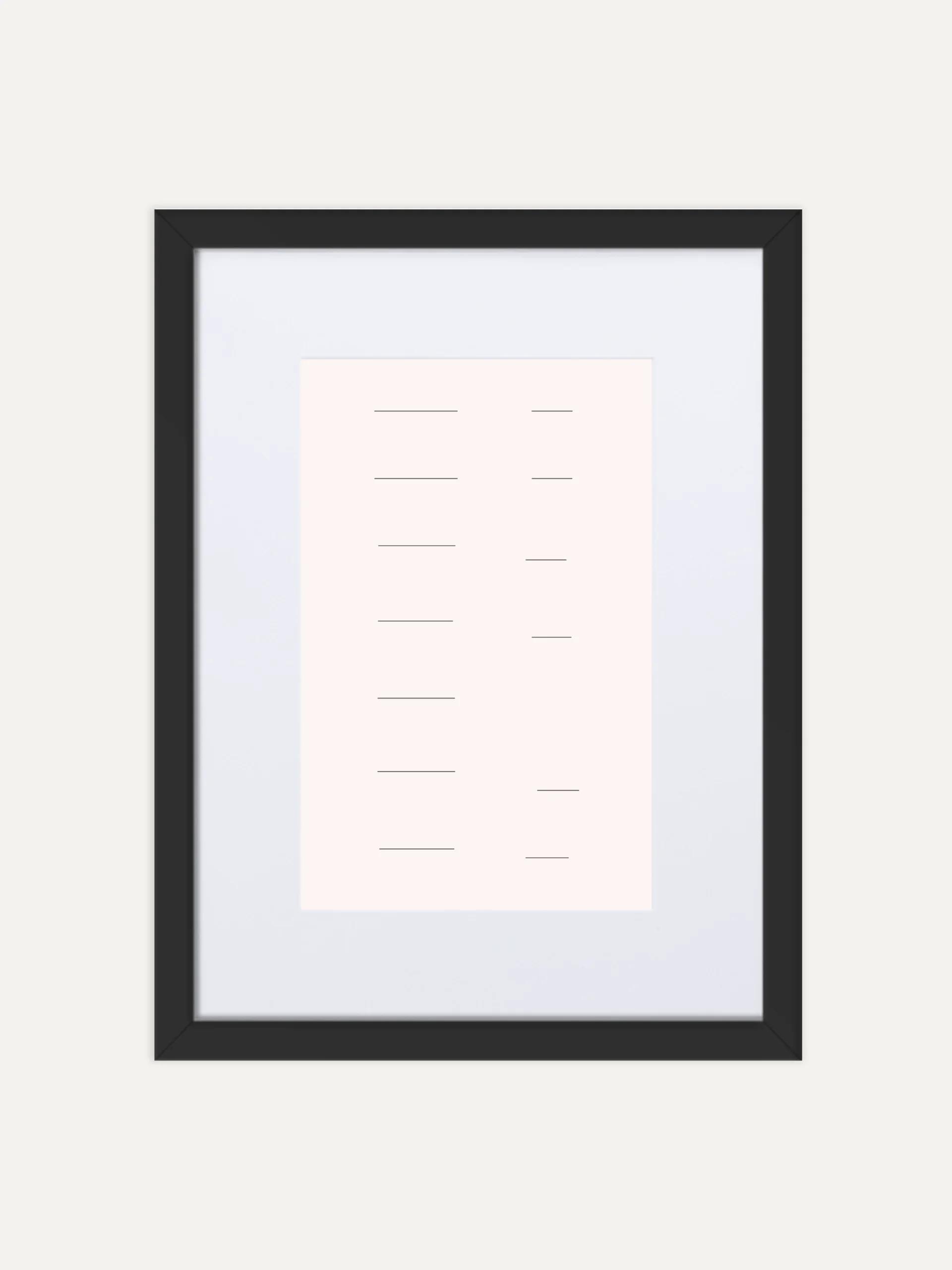
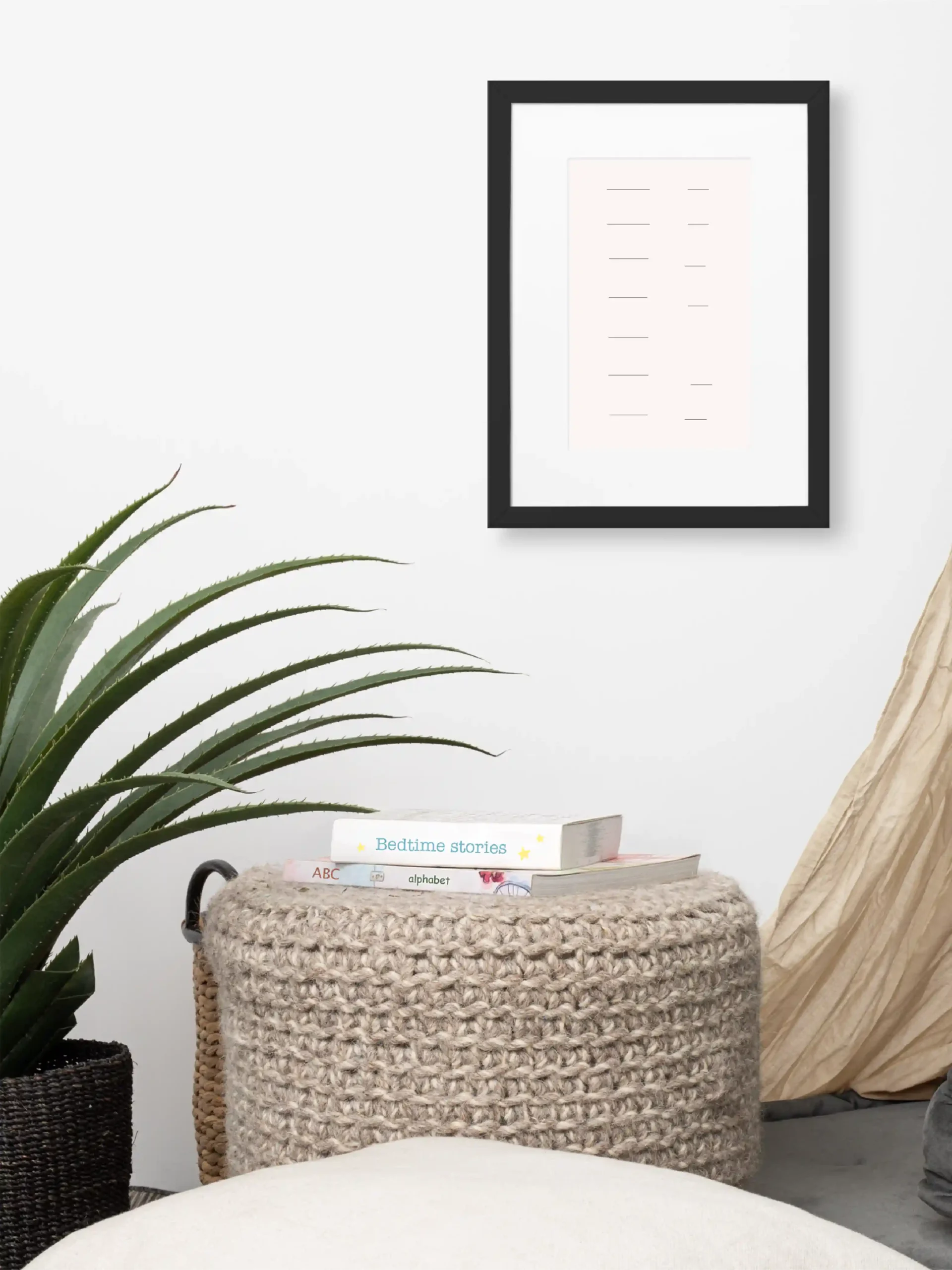
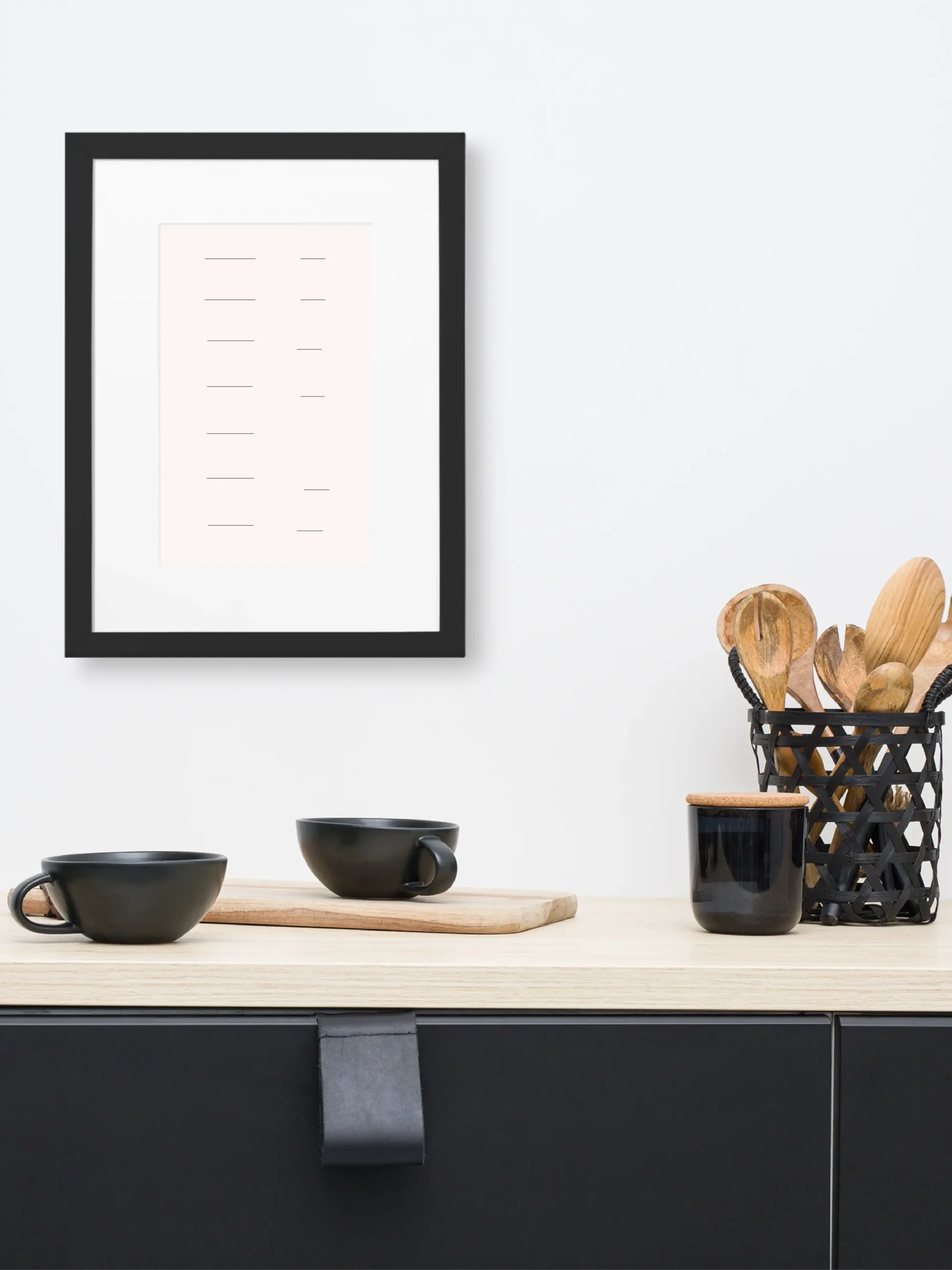
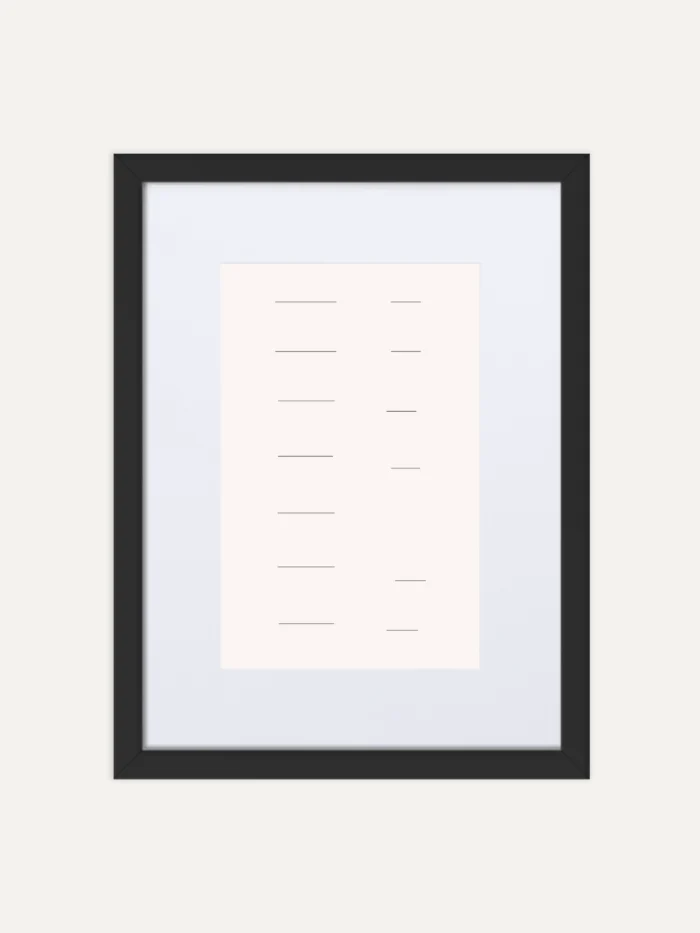
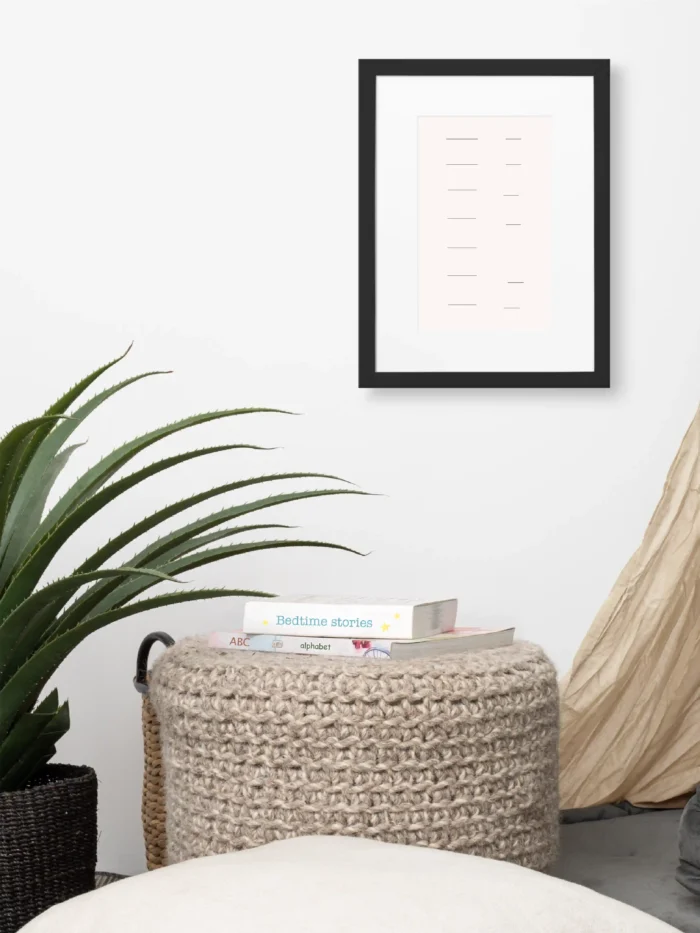
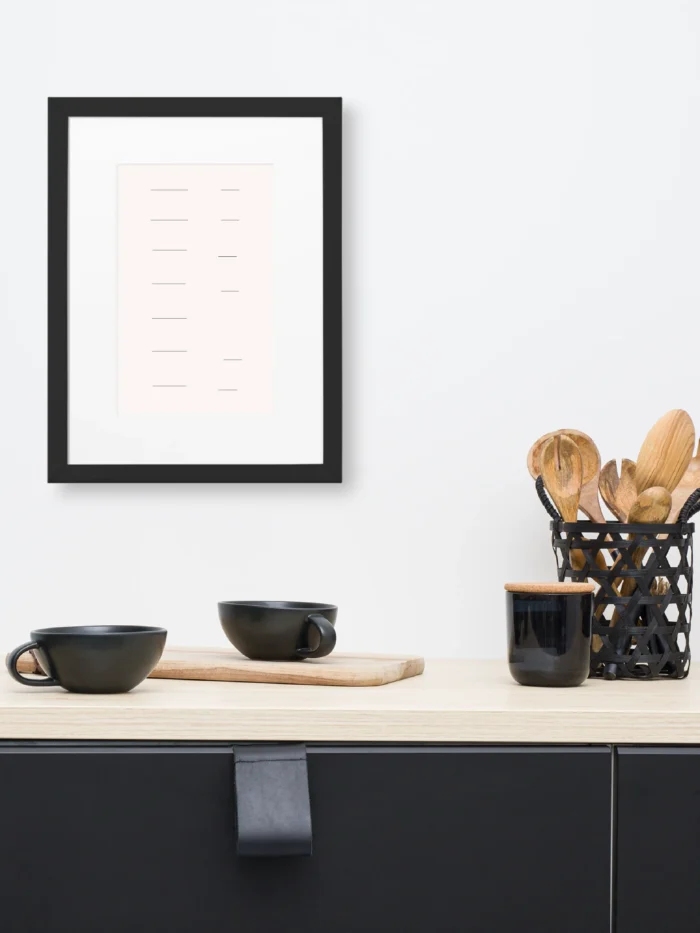
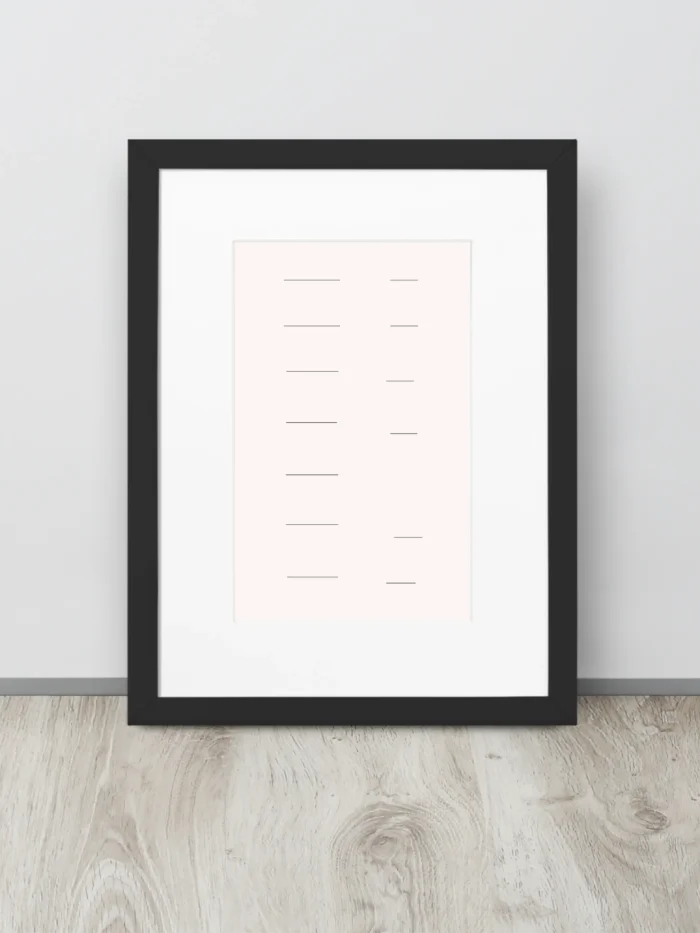
A restrained study of seasonal rhythm, gradual displacement and the adjustments required when familiar cycles no longer arrive as expected.
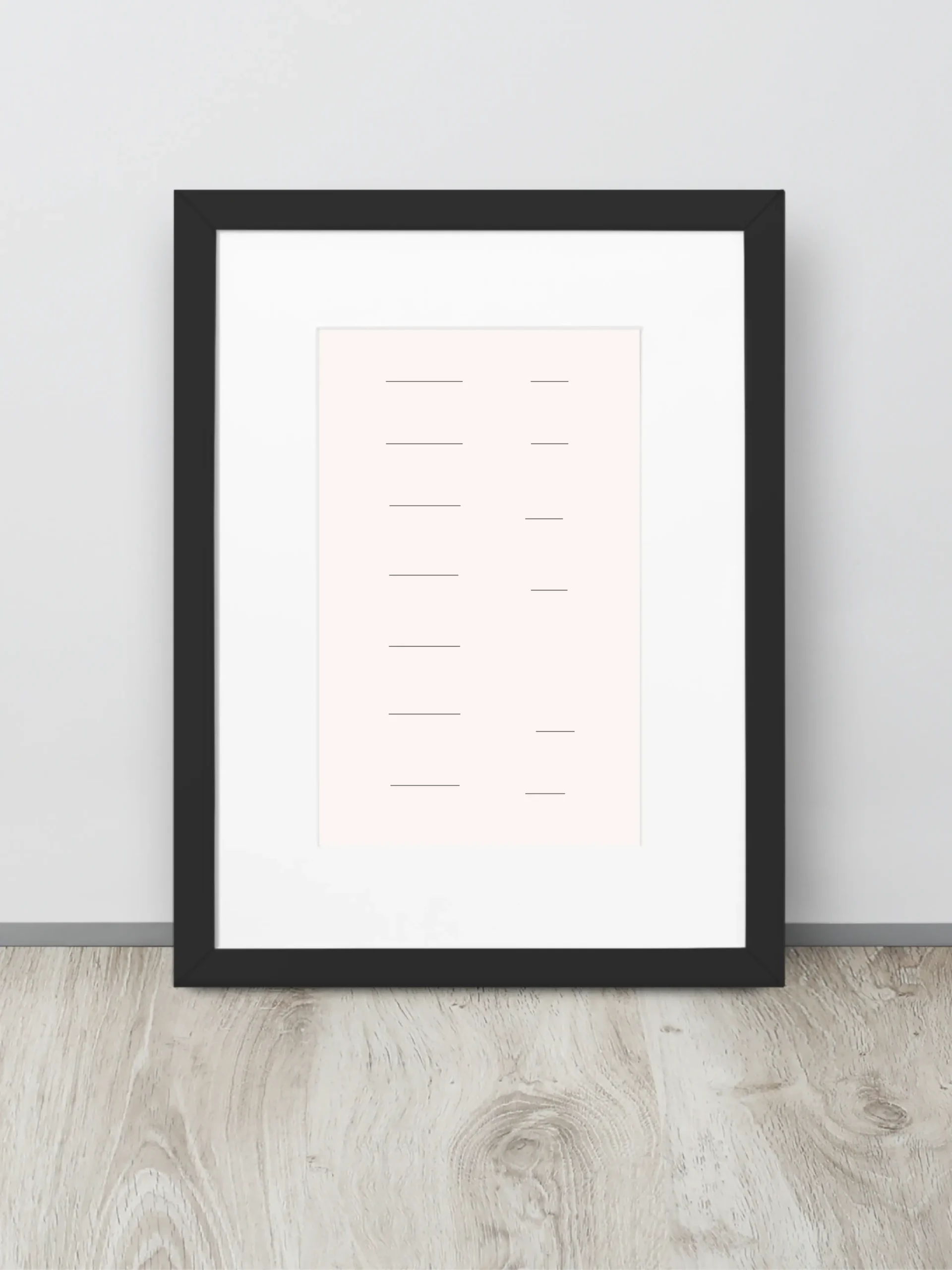
Seasonal Drift examines how relationships between people, land and recurring environmental conditions develop through observation and repetition—and how these relationships change when familiar timing becomes less reliable. Seven paired linear relationships move from relative alignment towards increasing displacement, recording gradual drift rather than a single moment of disruption.
Expressed as a framed wall study for calm, structured interiors.
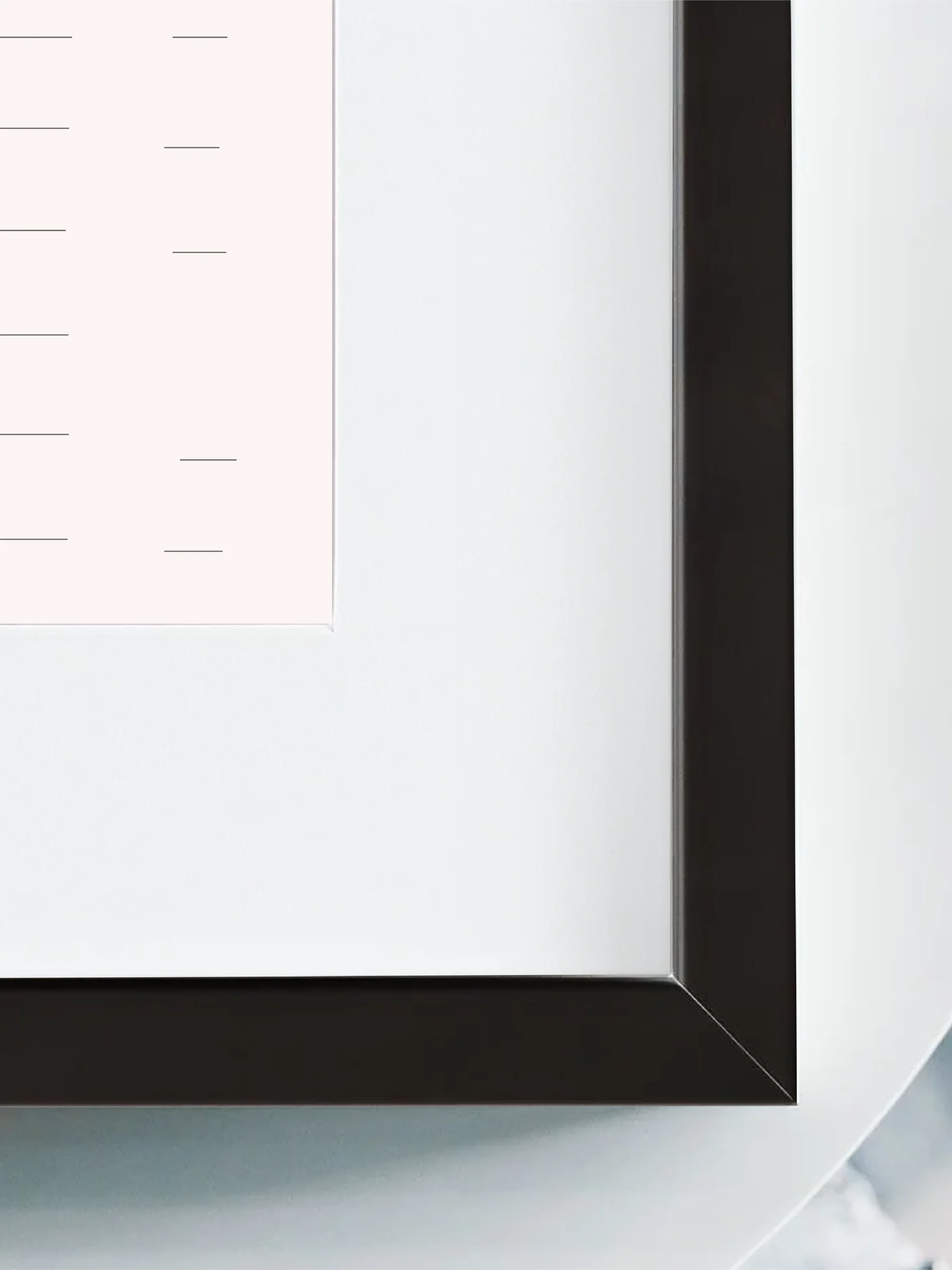
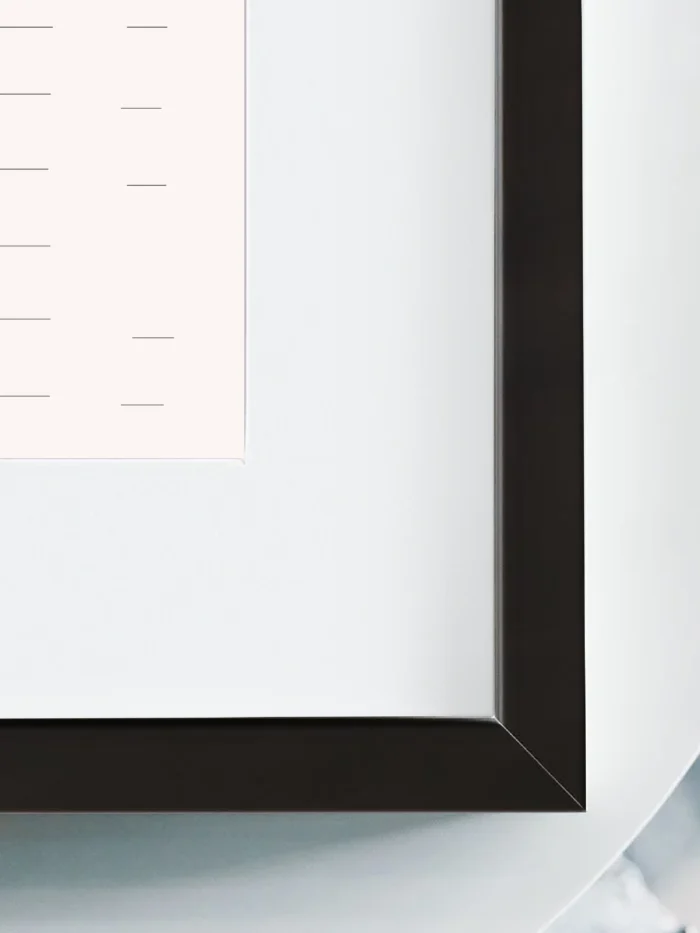
Printed on museum-quality matte paper at 189 g/m² and presented with a white mat board and black ayous wood frame, the work translates the Seasonal Drift system into a quiet architectural presence.
30 × 40 cm · Ready to hang.
$129.00
Human + Land Collection · The Soil Remembers
A minimal study of recurring environmental rhythm, changing timing and adaptation within the relationship between people and land.
Seasonal Drift — Study 02 translates the gradual movement between familiar conditions and human response into a restrained vertical composition.
The work considers how seasonal understanding develops through repeated observation—and how this relationship can shift when established cycles begin to arrive earlier, later or with less certainty.
Reduced to seven paired linear relationships, the composition records change not as a single dramatic interruption, but as a gradual accumulation of difference across time.
Seasonal Drift examines what happens when familiar environmental rhythms and the human activities organised around them begin to move out of alignment.
Relationships with land are often formed through repeated observation.
A season returns.
Conditions become familiar.
An activity follows.
Timing develops through experience.
Expectation is carried from one cycle into the next.
These relationships are not fixed.
Changing rainfall, temperature, soil conditions, access to land and broader environmental pressures can alter when familiar conditions arrive and how reliably they can be recognised.
An expected moment may arrive earlier.
It may arrive later.
Its duration may shorten.
Its signals may become less certain.
People continue to observe and respond, but established knowledge must increasingly be interpreted through changing conditions.
The artwork does not illustrate farmers, crops, landscapes, weather events or recognisable agricultural imagery.
Instead, it translates this changing relationship into seven paired linear structures arranged as a measured vertical sequence.
Within each relationship, the longer line establishes a recurring reference.
It suggests a familiar seasonal rhythm recognised through repeated experience.
The shorter line records response: the activity, decision or moment of attention connected to that recurring condition.
The earliest relationships remain relatively close.
Their positions suggest an established rhythm in which expectation and response still correspond.
As the sequence continues, the shorter lines begin to shift.
A small vertical difference appears.
The interval between reference and response gradually changes.
Later relationships move further from their earlier alignment, suggesting that familiar timing has become increasingly uncertain.
The movement remains deliberately restrained.
There is no single dramatic break.
Instead, displacement accumulates across the sequence.
One difference informs the next.
Previous knowledge remains present, but its timing requires renewed attention and adjustment.
The composition therefore develops as a quiet progression:
recurrence establishes familiarity,
observation creates expectation,
difference begins to emerge,
timing becomes less certain,
response changes position,
adaptation becomes necessary,
and the relationship continues under altered conditions.
The final relationship does not return to perfect alignment.
It remains part of the same wider system while preserving the distance created through gradual change.
Rendered as fine Charcoal linework within a soft warm-white field, the artwork remains quiet and precise.
Generous negative space allows the changing relationships between recurrence, response and displacement to emerge through close observation rather than immediate visual impact.
SEASONAL DRIFT
Changing Cycles — Timing & Adaptation System
A minimal system examining how familiar cycles become less predictable—and how people respond when established timing begins to shift.
Recurrence establishes rhythm.
Observation builds expectation.
Difference signals change.
Drift alters timing.
Attention guides response.
Adaptation maintains relationship.
The seven longer lines represent recurring environmental reference points.
Their repetition suggests cycles that remain recognisable even as their timing, duration or reliability begins to change.
Subtle differences in length prevent the sequence from becoming mechanically uniform, acknowledging that no recurring environmental condition returns in precisely the same form.
The shorter lines register human response.
Close alignment suggests a dependable relationship between observed conditions and expected action.
The first positional shift records emerging difference.
Increasing displacement reflects a growing uncertainty between remembered rhythm and present conditions.
The paired structures remain connected throughout the sequence.
Their relationship changes, but it is not completely broken.
This continuity suggests that knowledge developed through long observation does not disappear immediately when familiar conditions shift.
Instead, it must be reconsidered, adjusted and applied from a changing position.
Adaptation emerges through continued attention.
People compare the present with what came before.
They recognise difference.
They alter timing, action and expectation.
The final relationship does not restore the original alignment.
The system therefore avoids suggesting complete recovery or perfect adjustment.
It preserves the developing interval between remembered rhythm and present conditions.
Seasonal Drift does not document a particular landscape, community, farming calendar or agricultural tradition. It is a research-led interpretation of how familiar environmental rhythms shape human activity—and how observation and adaptation become necessary when those rhythms begin to shift.
An observation of familiar cycles moving—and the attention required to move with them.
The portrait orientation reinforces duration, accumulation and gradual movement through successive stages.
Seven paired relationships establish a restrained vertical rhythm, allowing the viewer’s attention to move slowly from relative alignment towards increasing displacement.
The longer lines create a recurring visual reference, while the shorter lines introduce subtle changes in position and interval.
Differences between the relationships prevent the composition from becoming mechanically repetitive.
Generous negative space allows each stage to remain distinct without creating visual excess.
The white mat board creates breathing space around the artwork, while the black frame establishes a precise architectural boundary.
Designed for considered interiors, the work can sit comfortably within living spaces, studios and work environments without becoming visually dominant.
Printed on museum-quality matte paper using precision water-based inkjet printing to preserve fine-line clarity and restrained tonal variation.
A white mat board surrounds the artwork, creating depth and visual separation.
The black ayous wood frame provides a clean, structured edge aligned with the minimal visual language of Human + Land.
Ready to hang.
Suitable for interiors that value clarity, structure and a restrained visual language.
Each piece is produced on demand.
Printing only when ordered helps reduce excess inventory and unnecessary material waste.
Part of Human + Land — The Soil Remembers, a research-led visual archive examining the reciprocal relationship between people and the ground they depend upon.
The collection considers repeated return, seasonal care, adaptation, instability, migration and the residual memory carried by land after established patterns of human presence have changed.
Rather than illustrating agriculture or rural life, the works translate these relationships into restrained systems of continuity, interval, interruption and return.
Seasonal Drift examines how familiar environmental rhythms shape human activity—and how observation and adaptation become necessary when those rhythms begin to move out of alignment.
The work is presented as an informed, non-literal interpretation rather than documentation of a particular place, community, seasonal calendar or agricultural practice.