

FEATURED
—
CLIMATE & NATURE
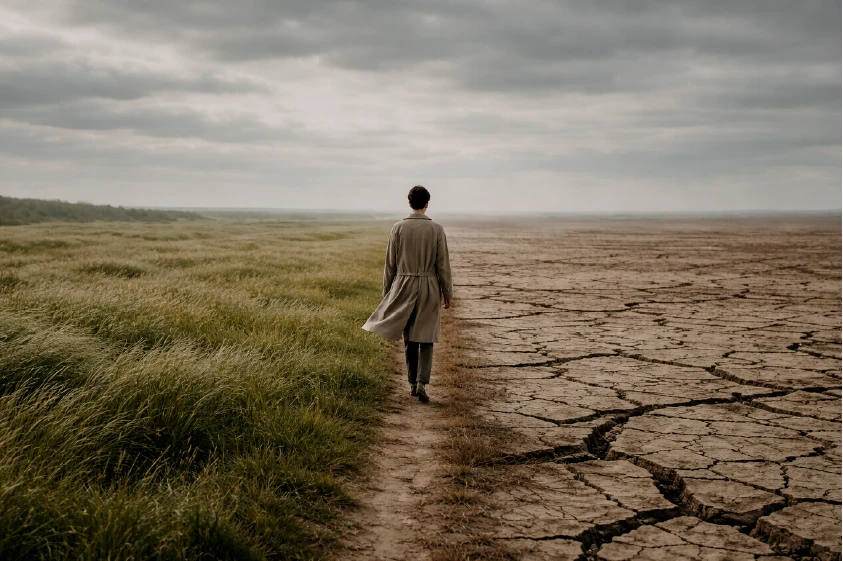
Landscapes shaped by pressure, loss, and resilience.
RARE SPECIES
A record of life on the edge of disappearance.

CULTURES AT RISK
When land changes, identity begins to fade.
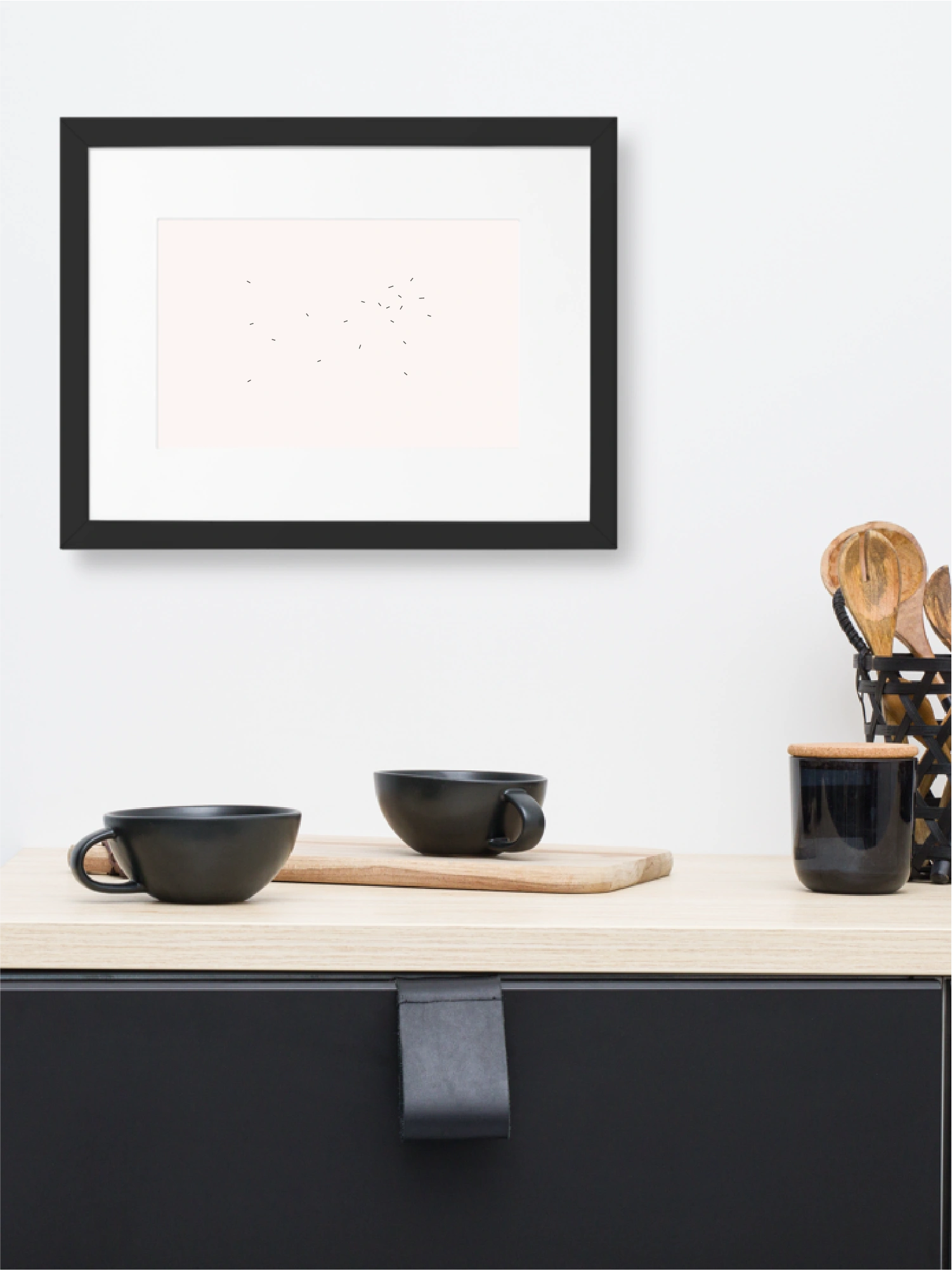
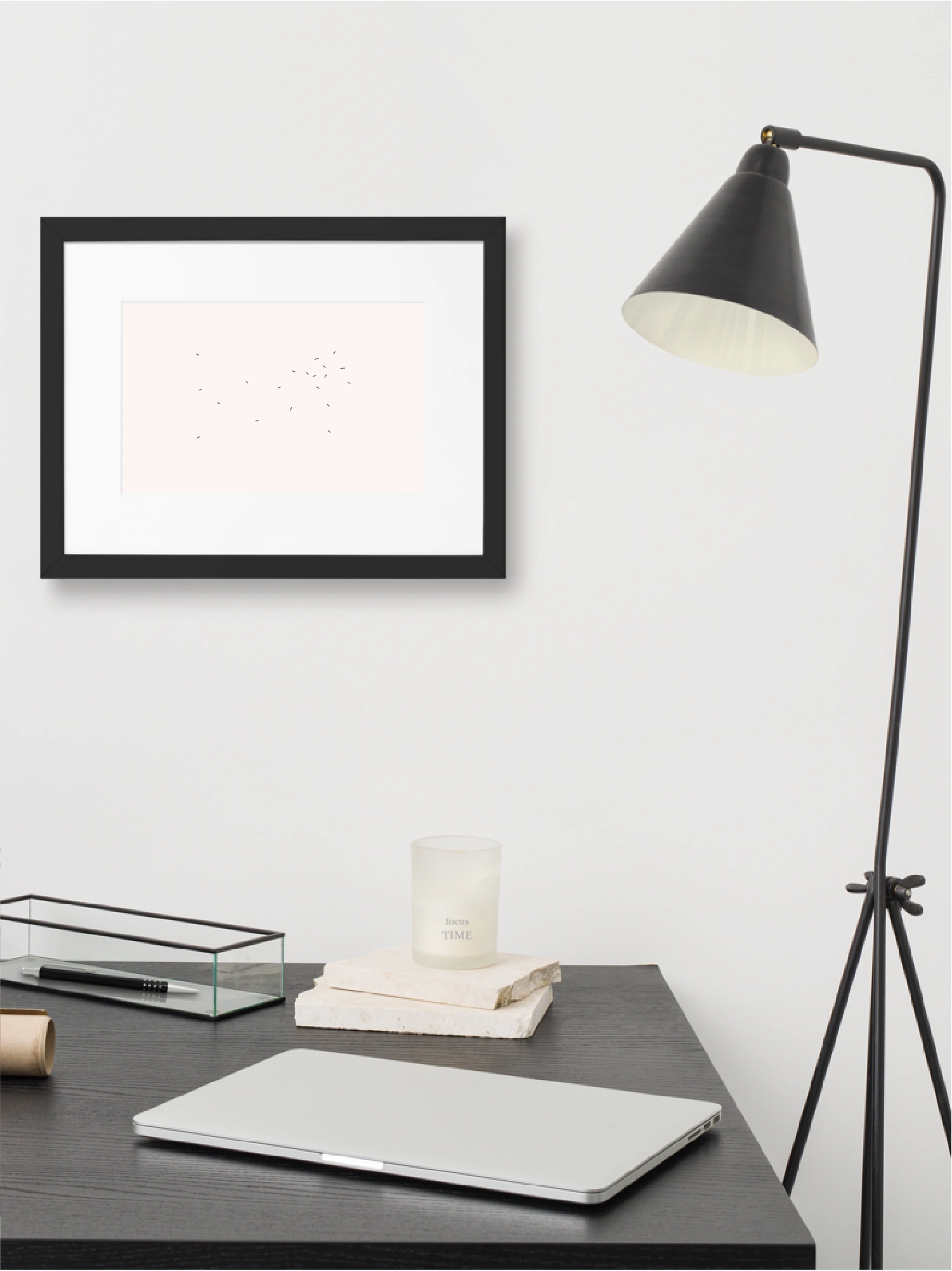
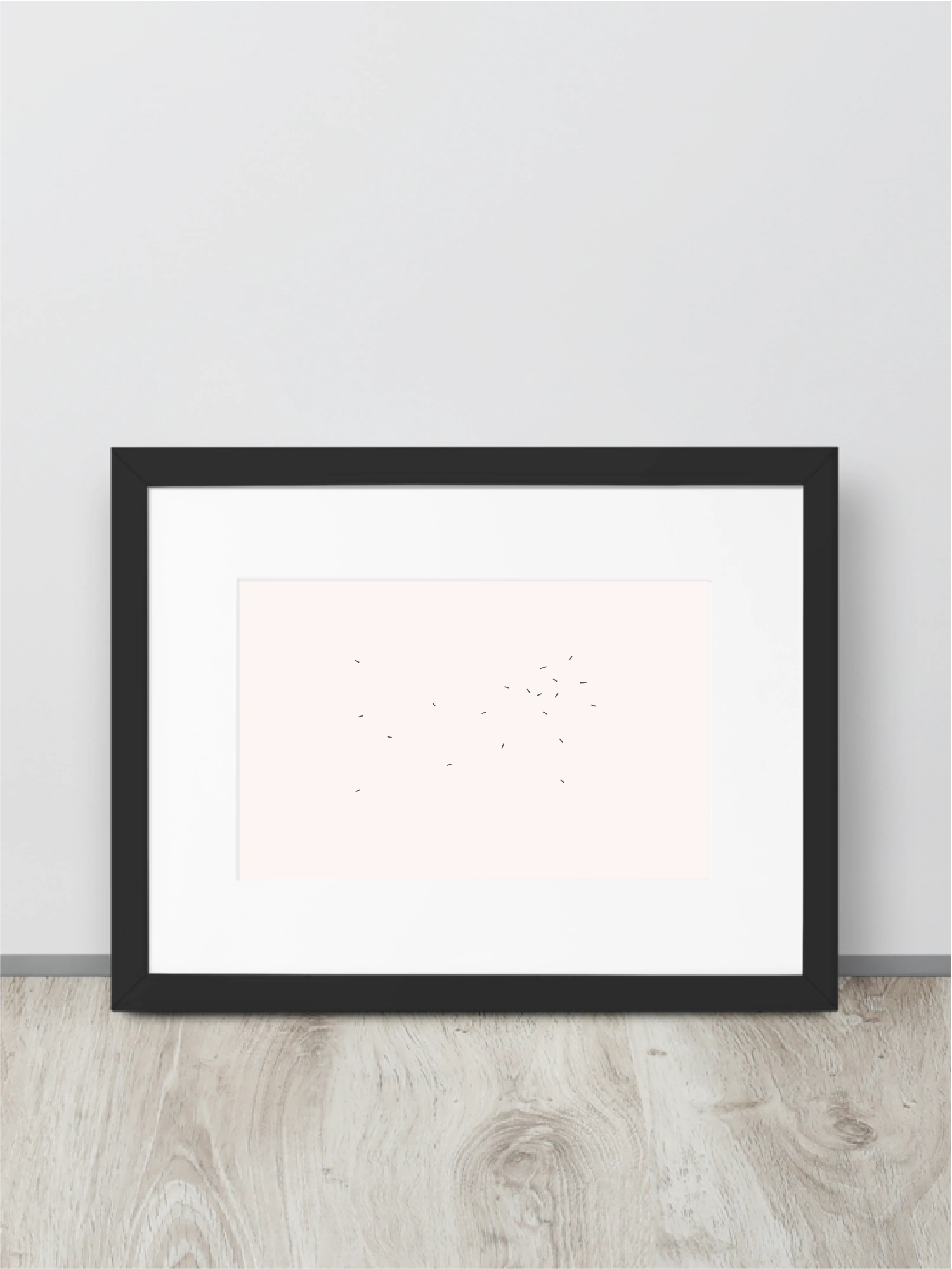
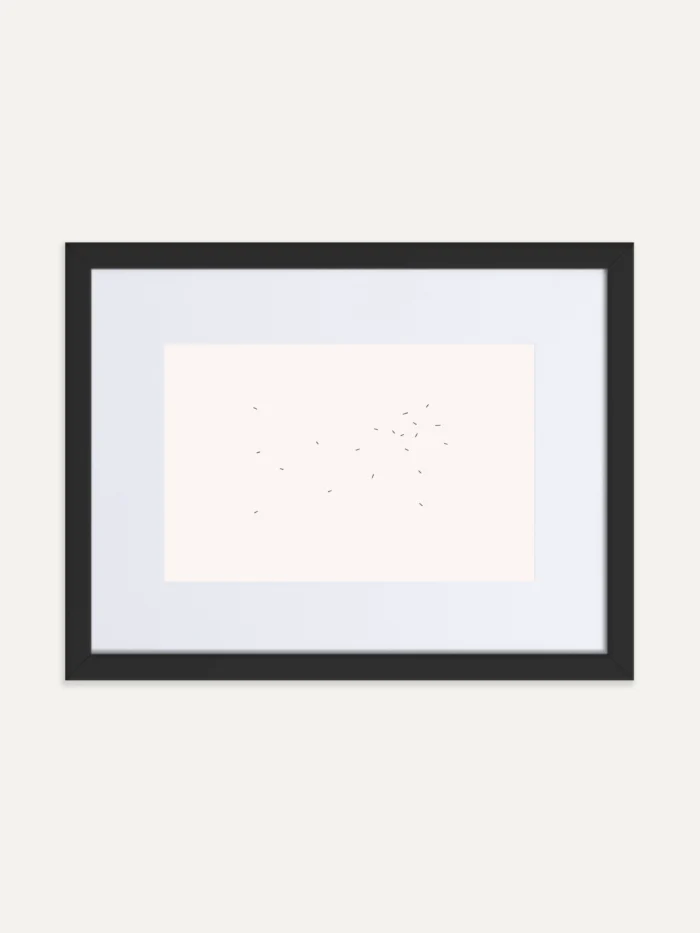
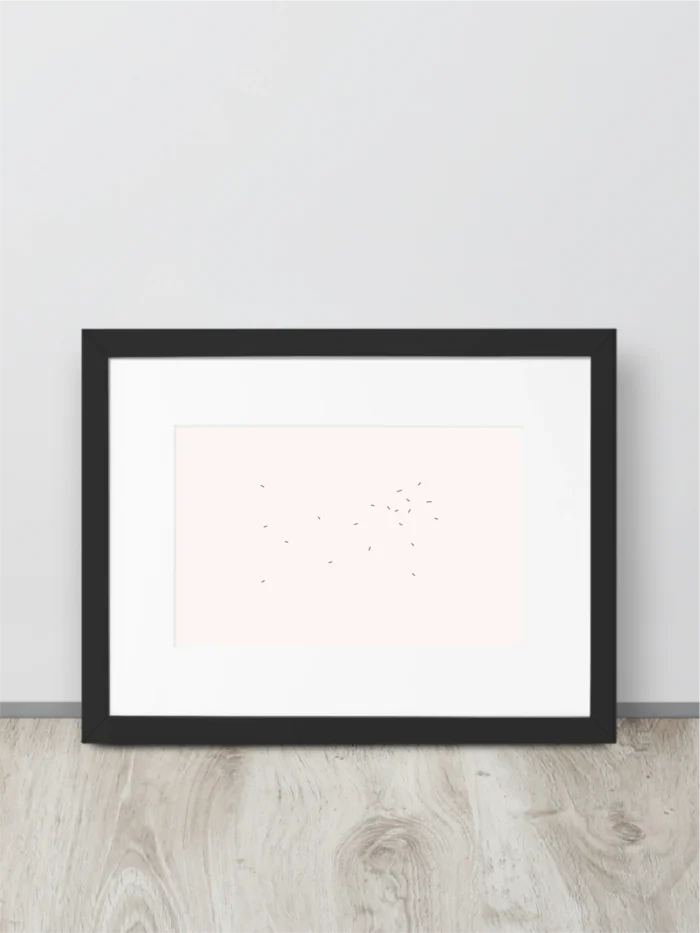
A restrained study of spatial awareness and environmental sensing within natural systems.
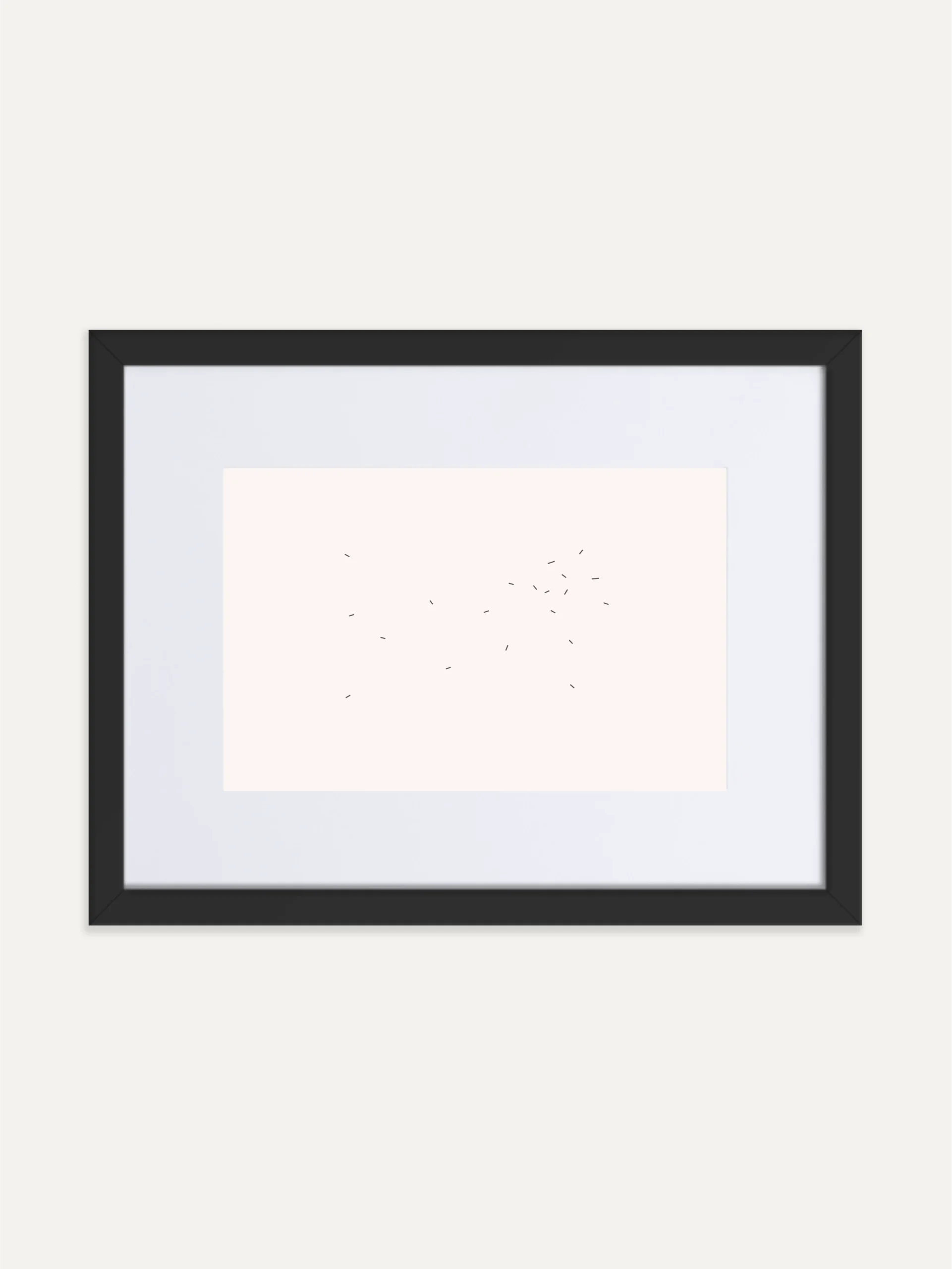
Perception Radius explores how organisms detect and interpret surrounding space before direct interaction occurs. Reduced to a minimal field of directional signals, the composition reflects attention, sensory range, and adaptive awareness extending beyond immediate visibility.
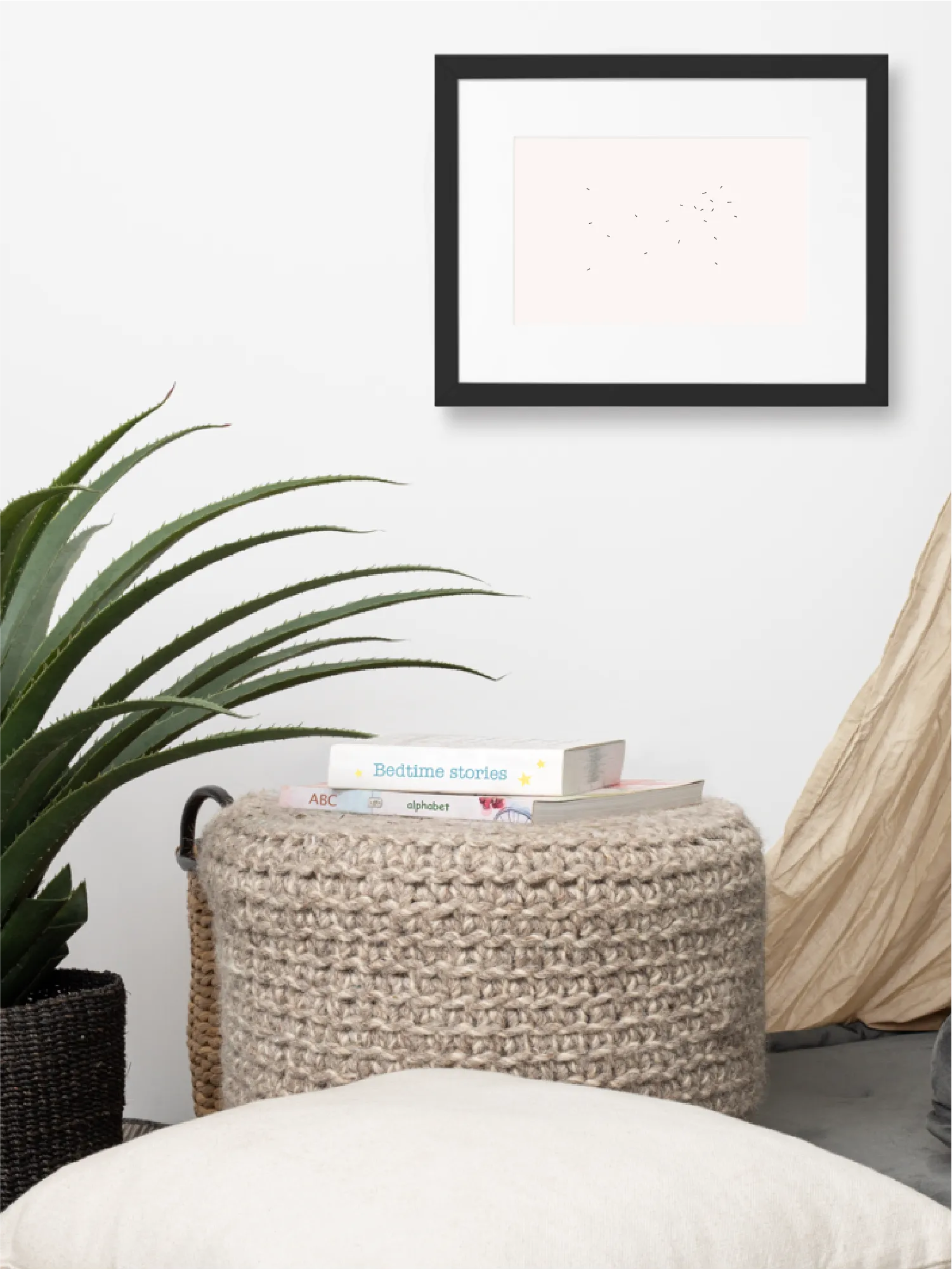
Expressed as a framed wall study for calm, structured interiors.
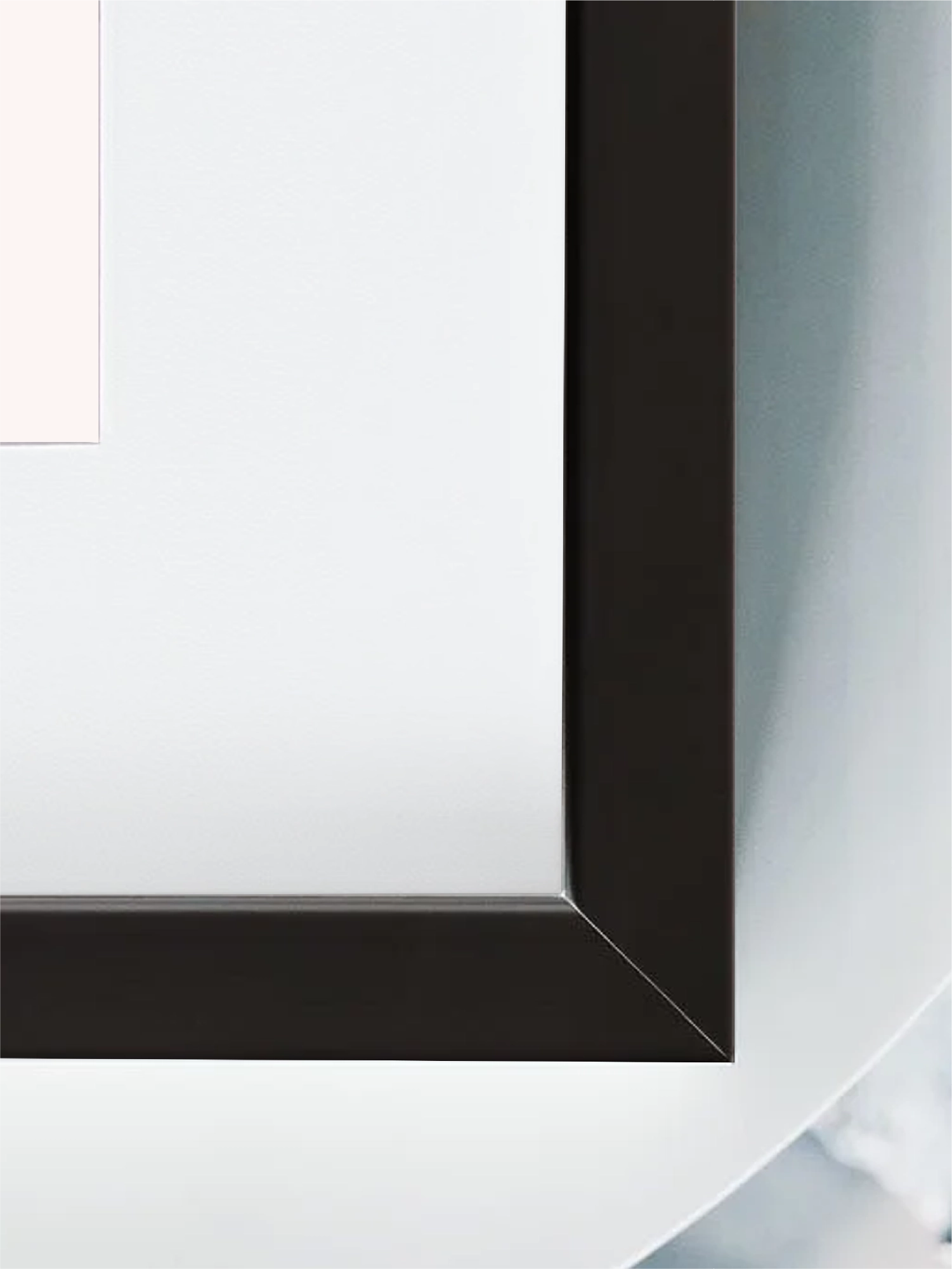
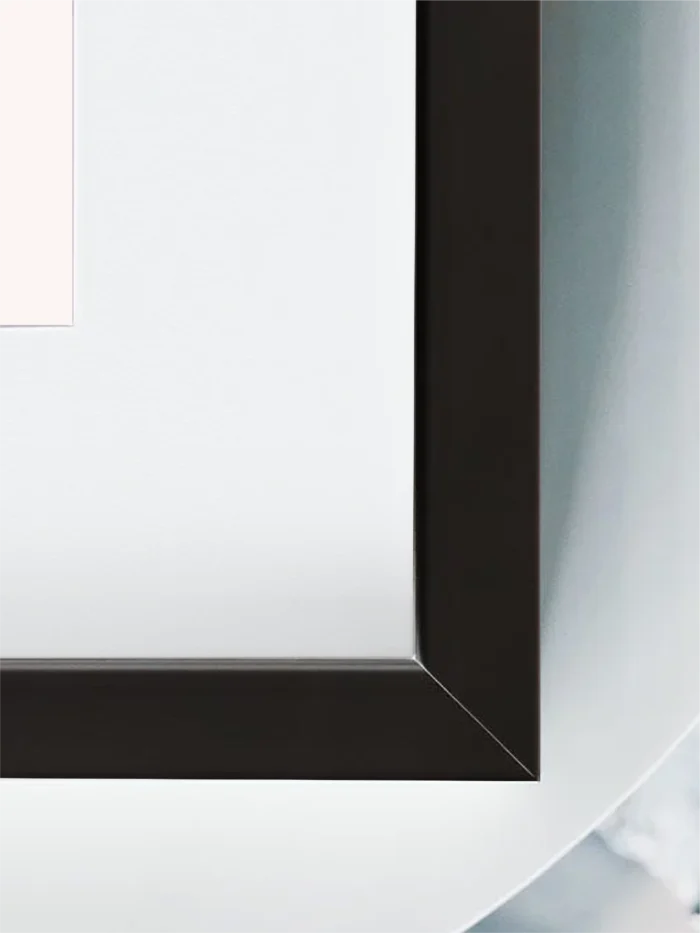
Printed on museum-quality matte paper (189 g/m²) and presented with a white mat board and black-finished ayous wood frame, the work translates the Perception Radius system into a quiet architectural presence.
30 × 40 cm · Ready to hang.
$129.00
Rare Species Collection
A minimal study of environmental sensing expressed through distributed spatial signals.
Perception Radius — Study 03 translates a natural awareness system into a restrained field-based composition. The work explores how organisms detect, interpret, and respond to information extending beyond immediate visibility.
Reduced to essential elements, the composition exists as an open perception field — quiet, responsive, and continuously aware of surrounding space.
Perception Radius reflects a survival system observed across the natural world — the ability to gather environmental information before direct interaction occurs.
Many organisms depend on sensory awareness that extends beyond sight. Sound, vibration, pressure changes, electromagnetic cues, movement, and spatial memory allow species to interpret conditions across a wider surrounding field.
The artwork translates this sensing behaviour into a minimal arrangement of distributed directional marks.
Rather than forming a complete figure:
• signals appear across a shared spatial field
• areas of concentration suggest heightened attention
• isolated marks imply information detected at greater distance
• directional variation reflects interpretation from multiple sources
No single element defines the composition.
A denser group of signals suggests an active zone of attention, while distant outliers extend the perceived range of the system. The surrounding negative space is not empty; it represents the wider environment being continuously sensed.
Presented in a horizontal format, the work emphasizes spatial range rather than linear movement. Awareness develops across the composition without resolving into a fixed centre or boundary.
PERCEPTION RADIUS
Spatial Awareness — Sensory Detection System
A minimal system exploring how organisms perceive space beyond direct visibility.
Across many species, including rare and endangered animals, survival depends not only on movement or concealment, but also on detecting environmental information before action occurs.
Sound, vibration, pressure, electromagnetic cues, spatial memory, and environmental change contribute to a continuously evolving perception field.
This artwork translates that principle into a distributed system of directional signals.
No single element defines the composition.
Signals emerge across space.
Density suggests attention.
Distance implies sensory range.
Variation reflects interpretation.
The artwork represents perception as an active field rather than a fixed viewpoint.
An observation of awareness through sensing — adaptive, responsive, and deeply embedded in natural intelligence.
The landscape orientation reinforces sensory range and awareness extending across space.
A concentrated group of marks creates a subtle area of attention, while distant signals prevent the composition from becoming closed or centrally resolved.
Structured negative space allows the work to remain quiet and architectural within an interior.
The white mat board introduces visual breathing space, while the black frame provides a precise structural boundary.
Printed on museum-quality matte paper using precision water-based inkjet printing, preserving fine line clarity and restrained tonal contrast.
A white mat board surrounds the artwork, creating depth and visual separation.
The black-finished ayous wood frame provides a minimal structural edge aligned with the restrained visual language of the Rare Species Collection.
• Overall size: 30 × 40 cm
• Museum-quality matte paper (189 g/m²)
• White mat board
• Black-finished ayous wood frame
• Acrylite front protector
• Hanging hardware included
Ready to hang.
Suitable for interiors that value clarity, negative space, and considered visual form.
Each piece is produced on demand.
Printing only when ordered helps reduce excess inventory and unnecessary material waste.
Part of the Rare Species Collection — a series exploring natural intelligence and survival systems through minimal, non-literal symbolic studies.