


FEATURED
—
CLIMATE & NATURE
Landscapes shaped by pressure, loss, and resilience.

RARE SPECIES
A record of life on the edge of disappearance.
CULTURES AT RISK
When land changes, identity begins to fade.


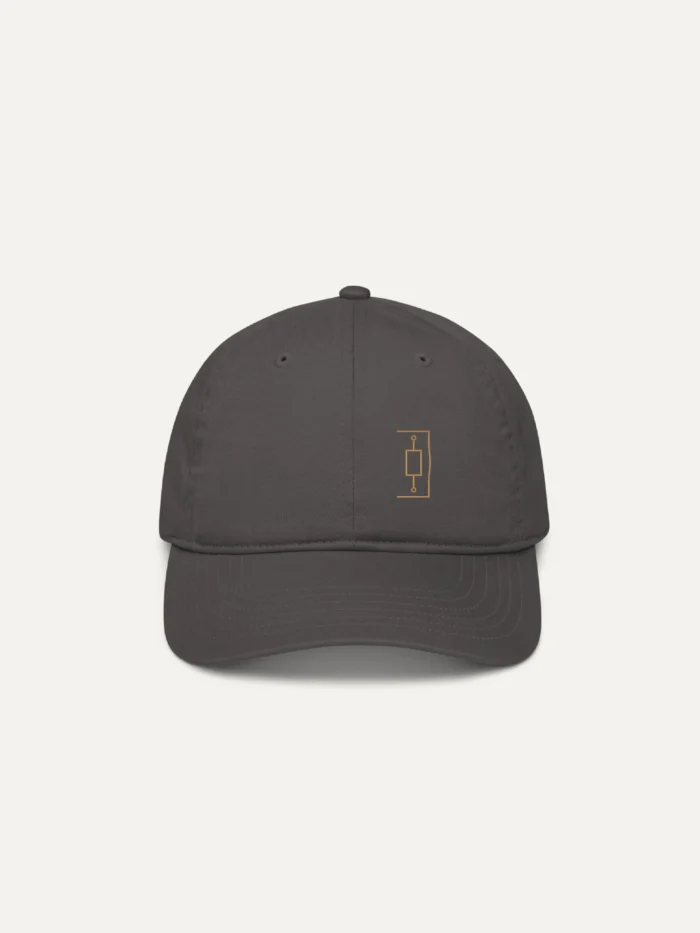
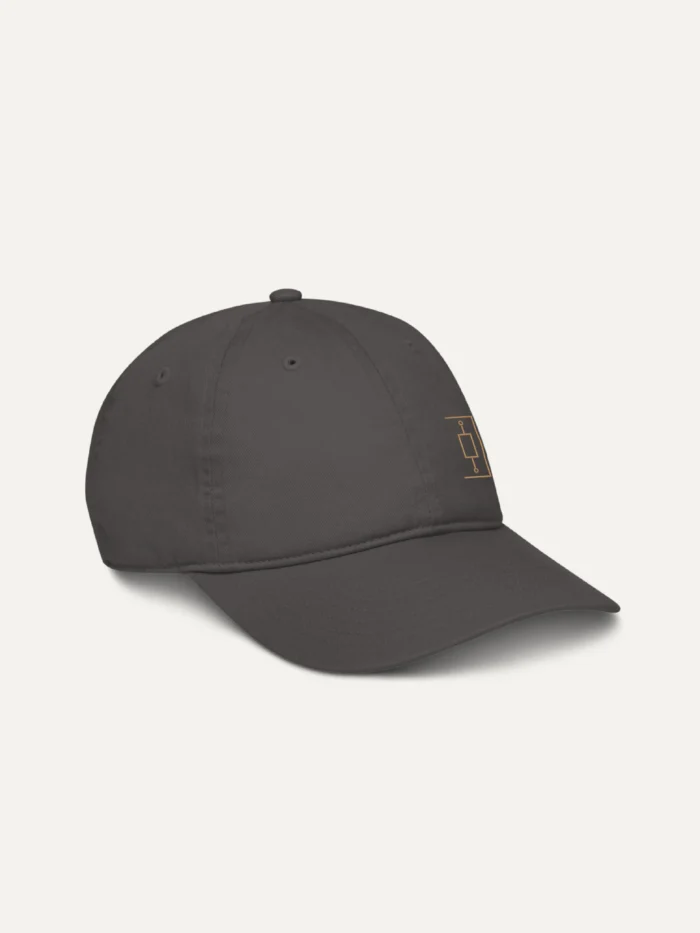
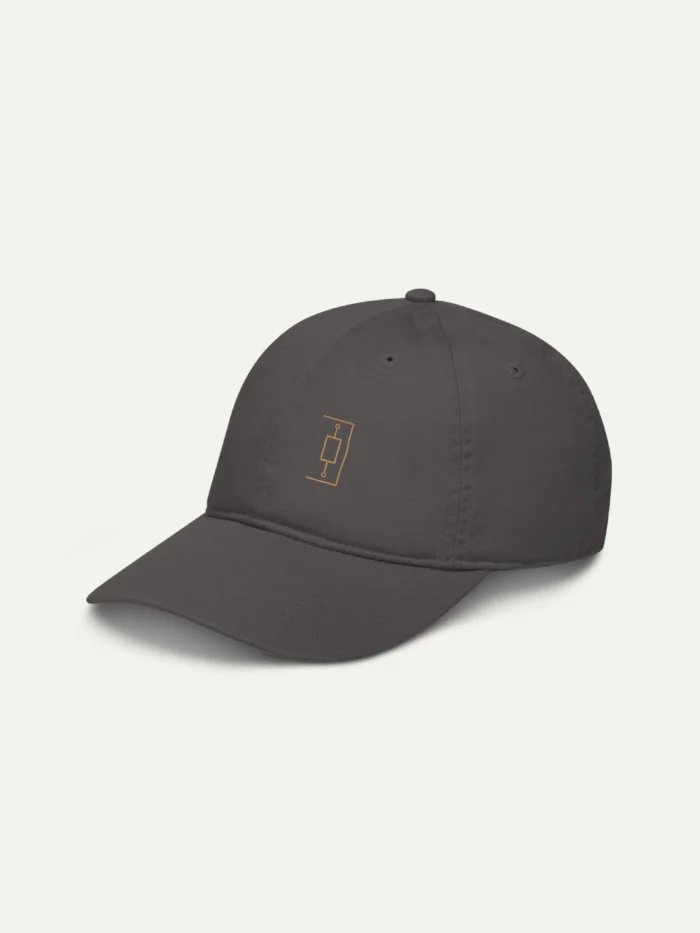
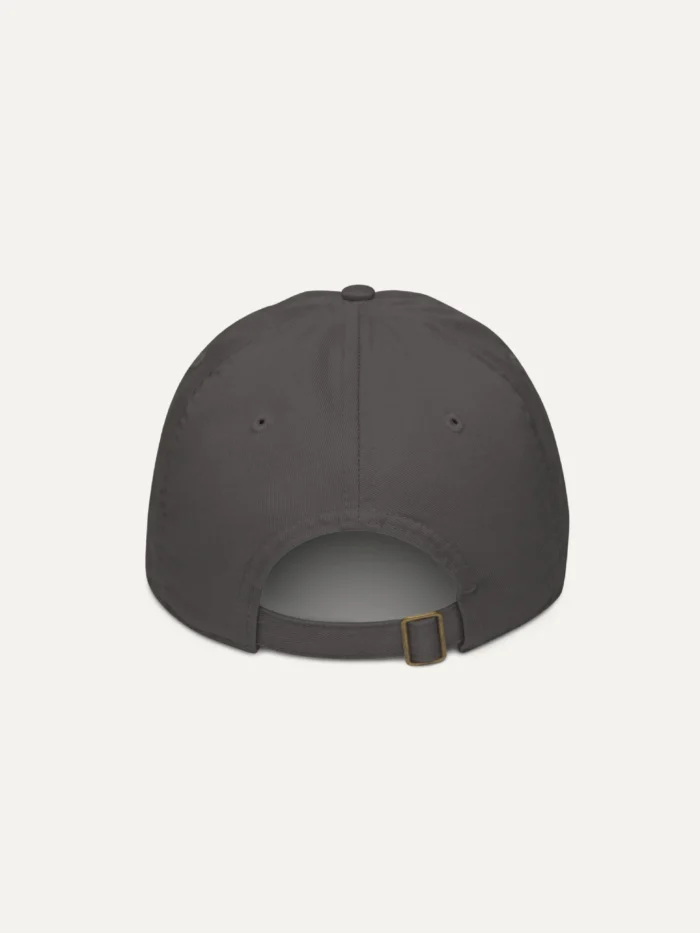


A restrained study of material preparation, controlled tension and the judgement required to keep delicate structures stable through repeated making.
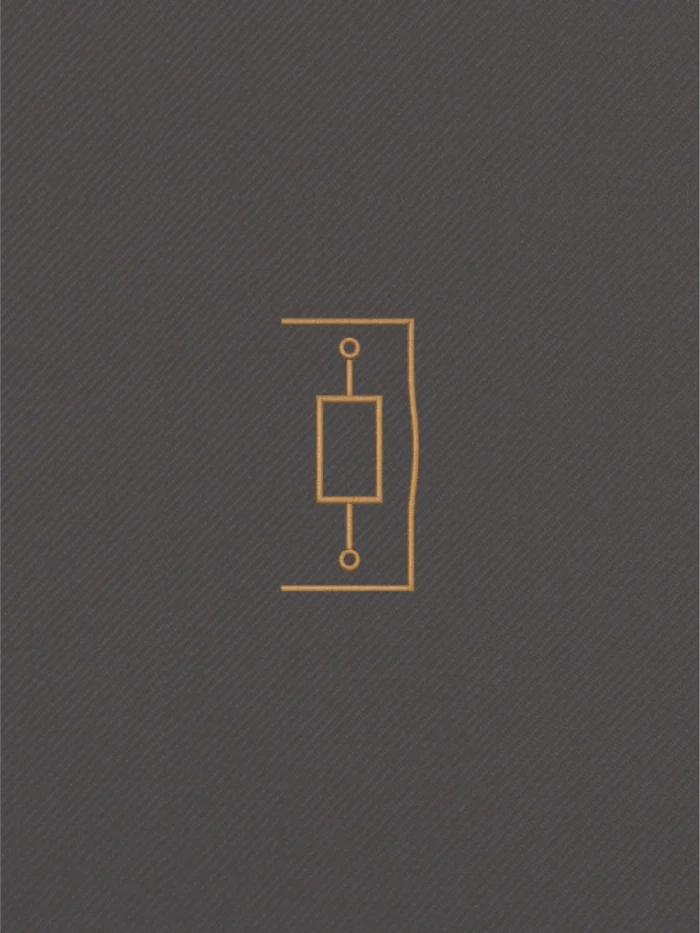
Prepared Tension draws from the material intelligence of Jamdani handloom weaving, focusing not on motifs or textile patterns but on preparation, thread control and structural adjustment. For the cap, the larger system is reduced to a precise fragment that retains tension, containment and a subtle deviation under pressure.
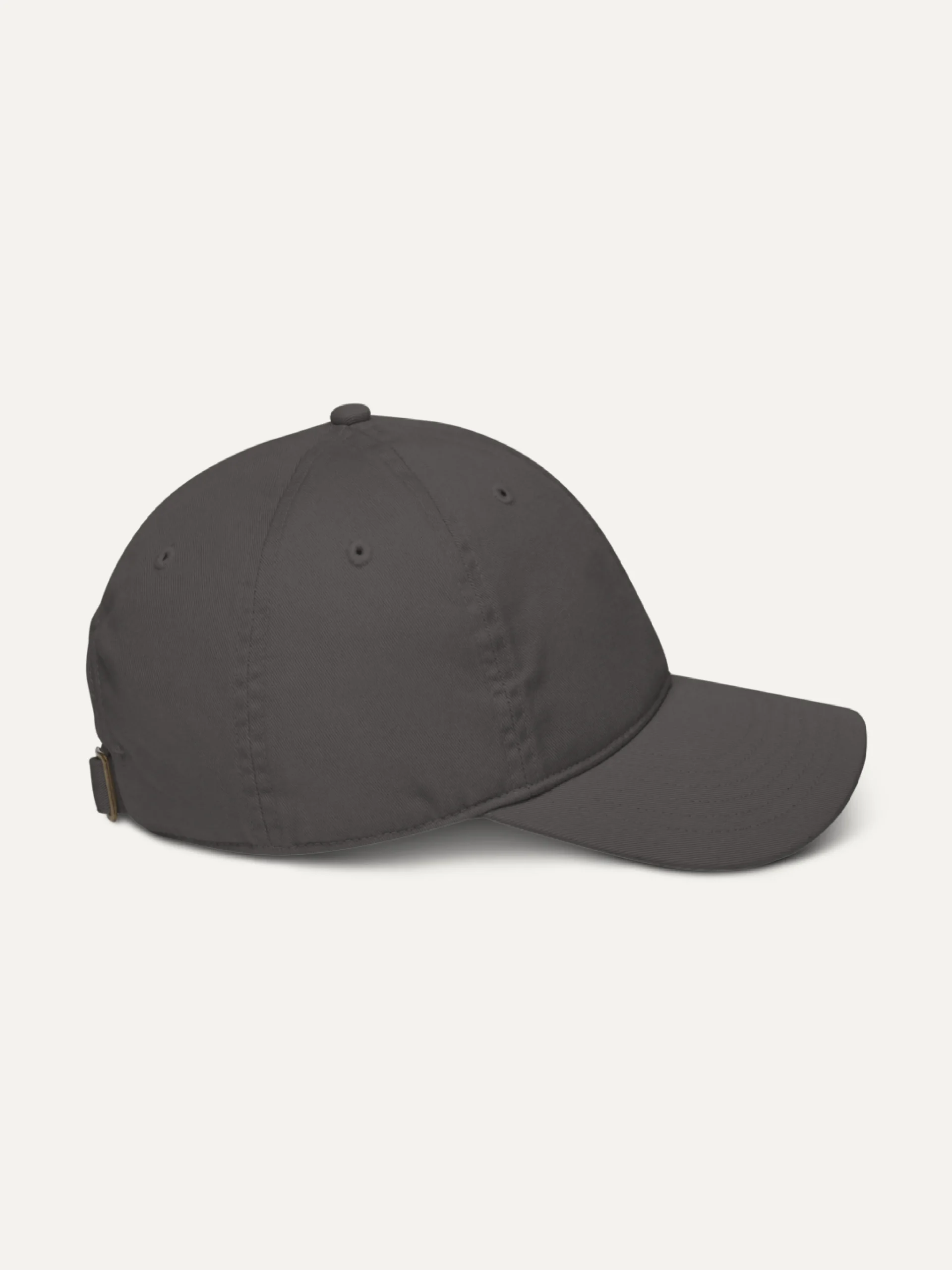
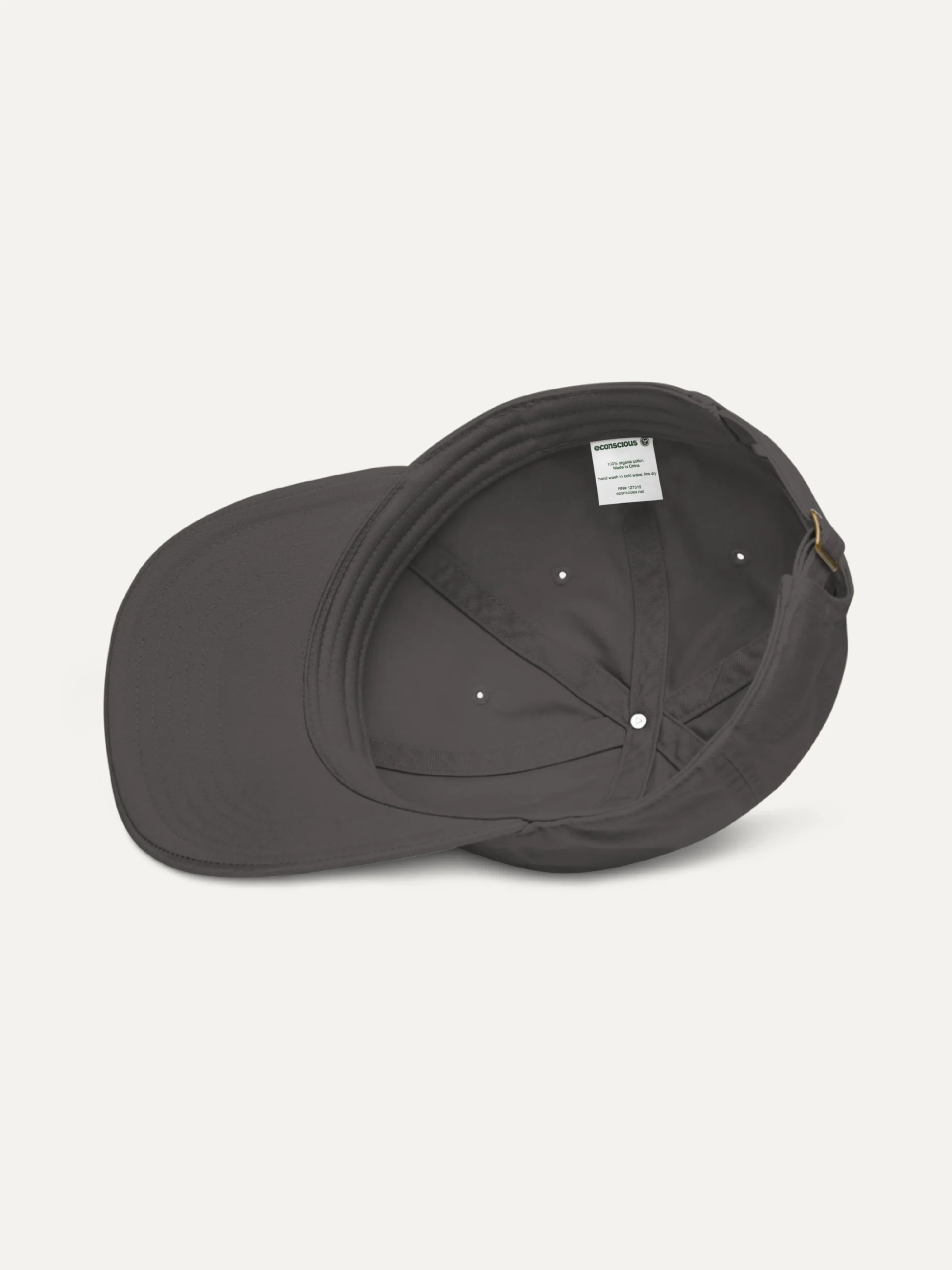
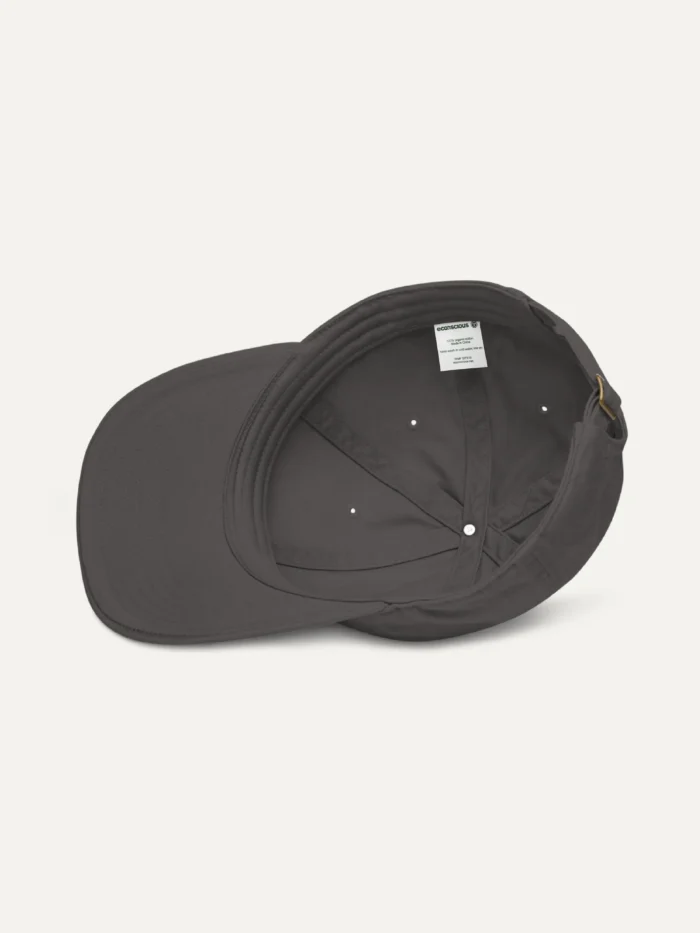
Made from 100% organic cotton twill at 271 g/m², the unstructured cap combines a soft, durable construction with an adjustable fit and understated everyday profile.
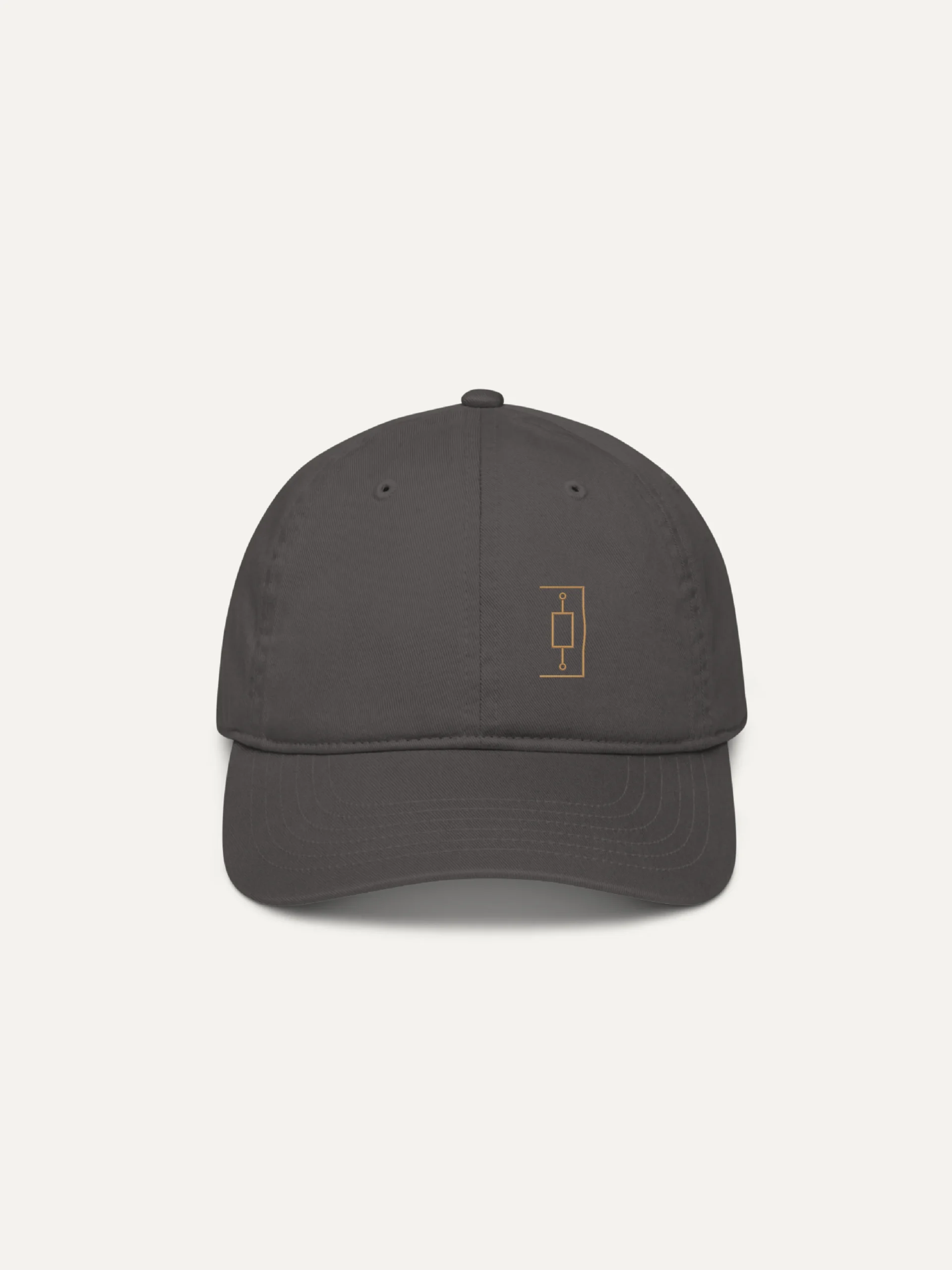
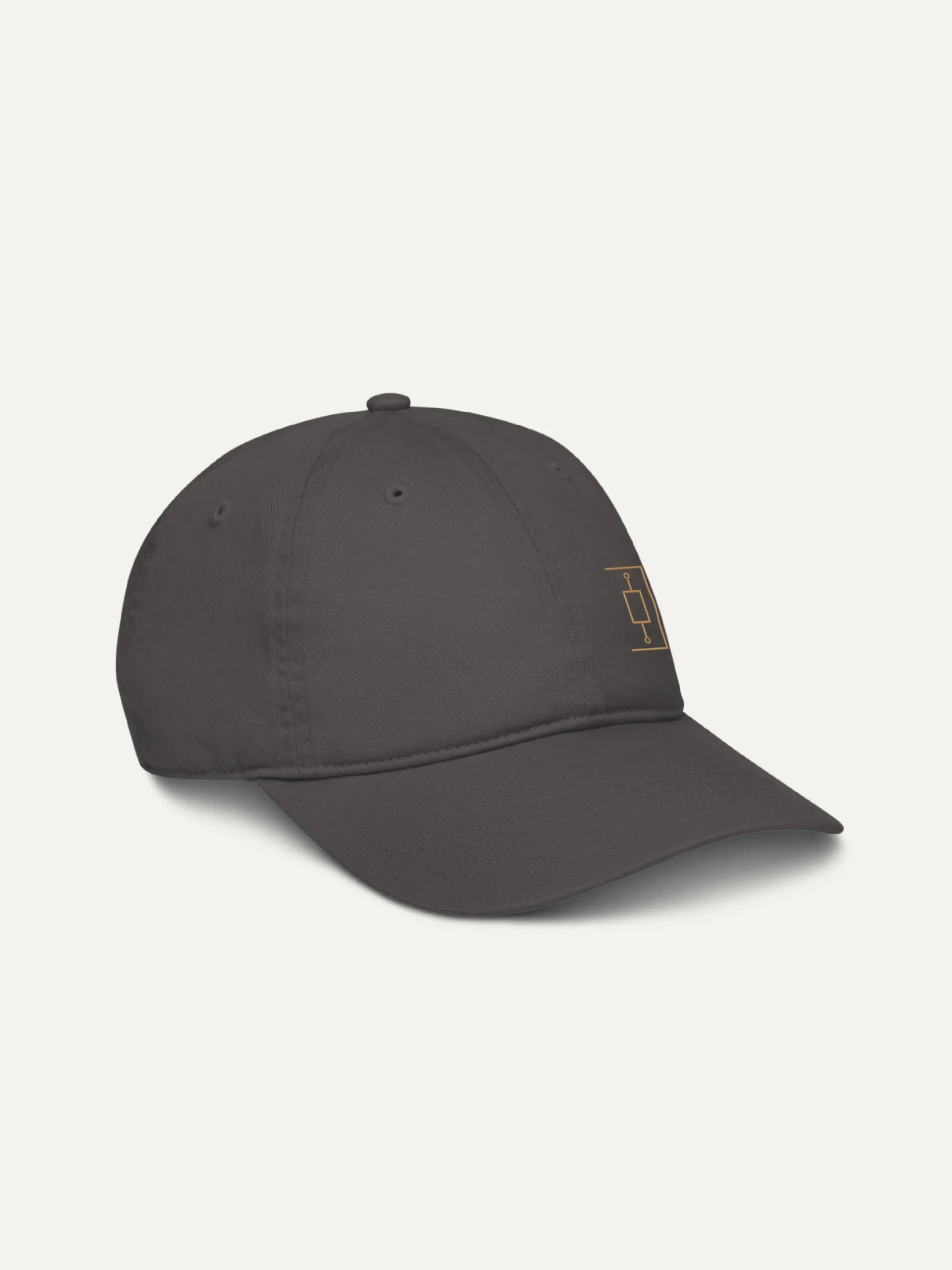
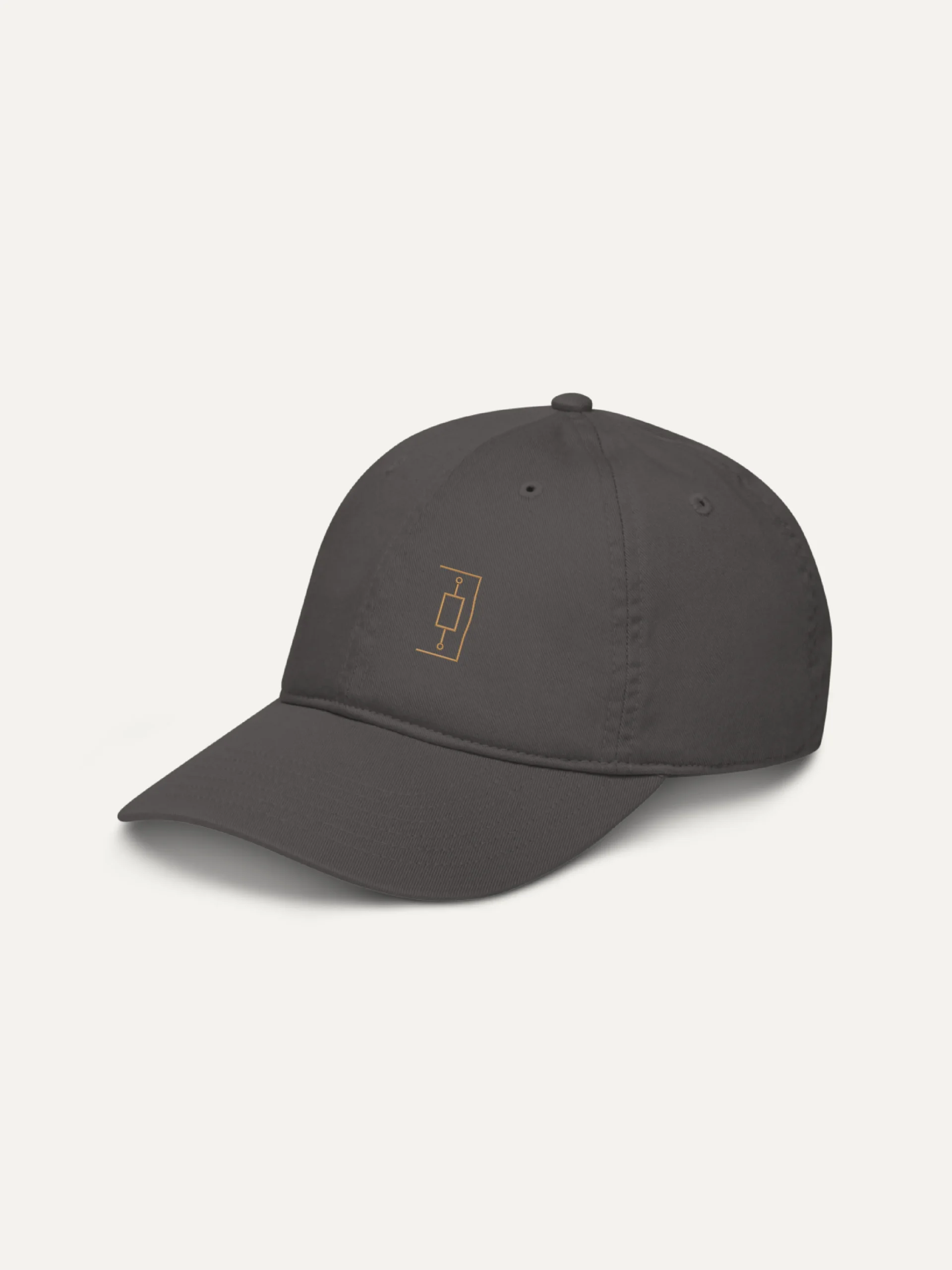
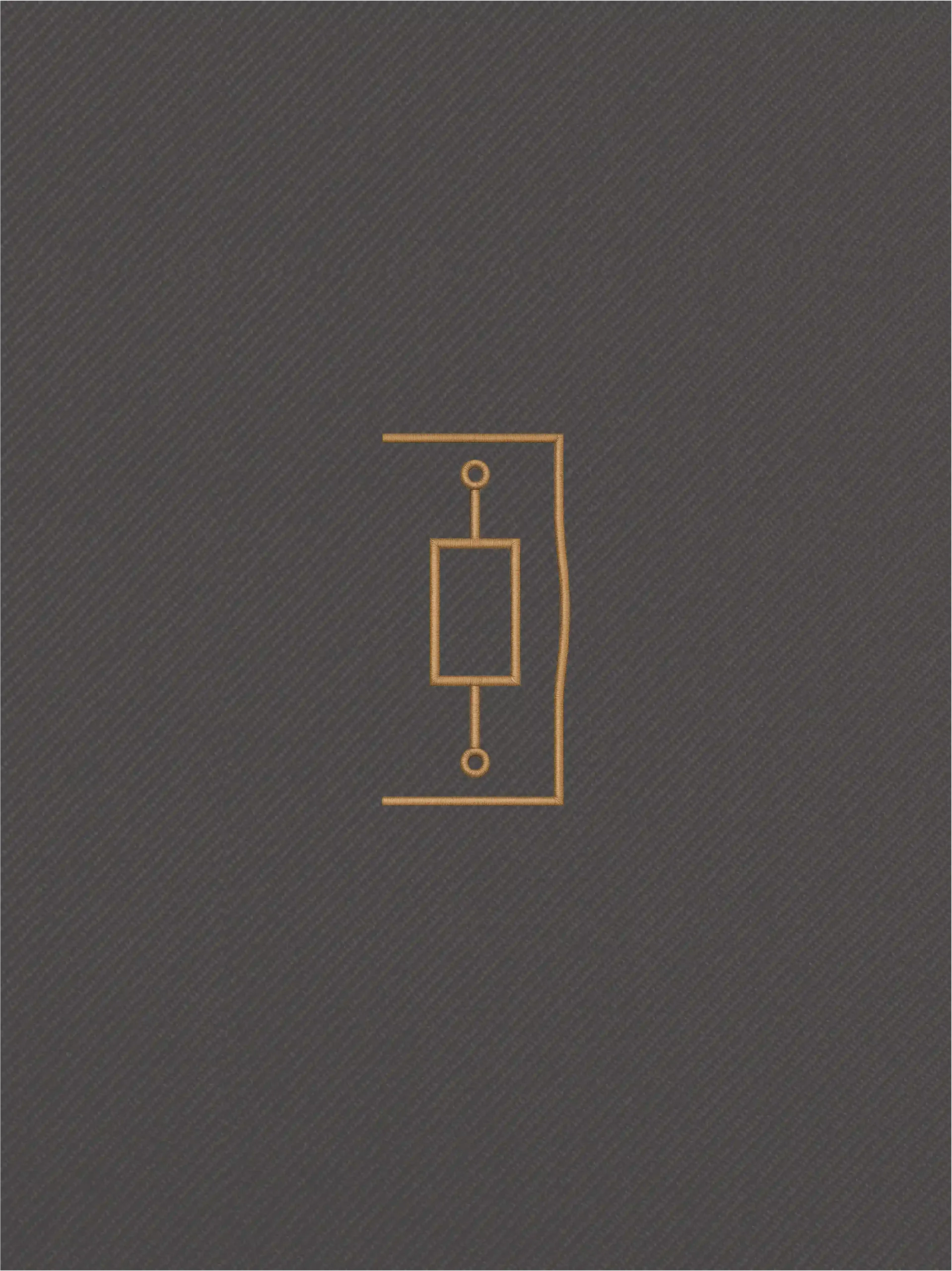
A muted ochre embroidery appears on the wearer’s left front panel, creating a quiet contrast against the Charcoal base.
$49.00
Endangered Art Forms Collection · Hands That Remember
A restrained everyday cap constructed from durable organic cotton twill.
Made from 100% organic cotton at a substantial 271 g/m², the twill fabric provides structure while retaining the softer character of an unstructured cap. Its close diagonal weave gives the surface a clean, tactile finish suited to precise embroidery.
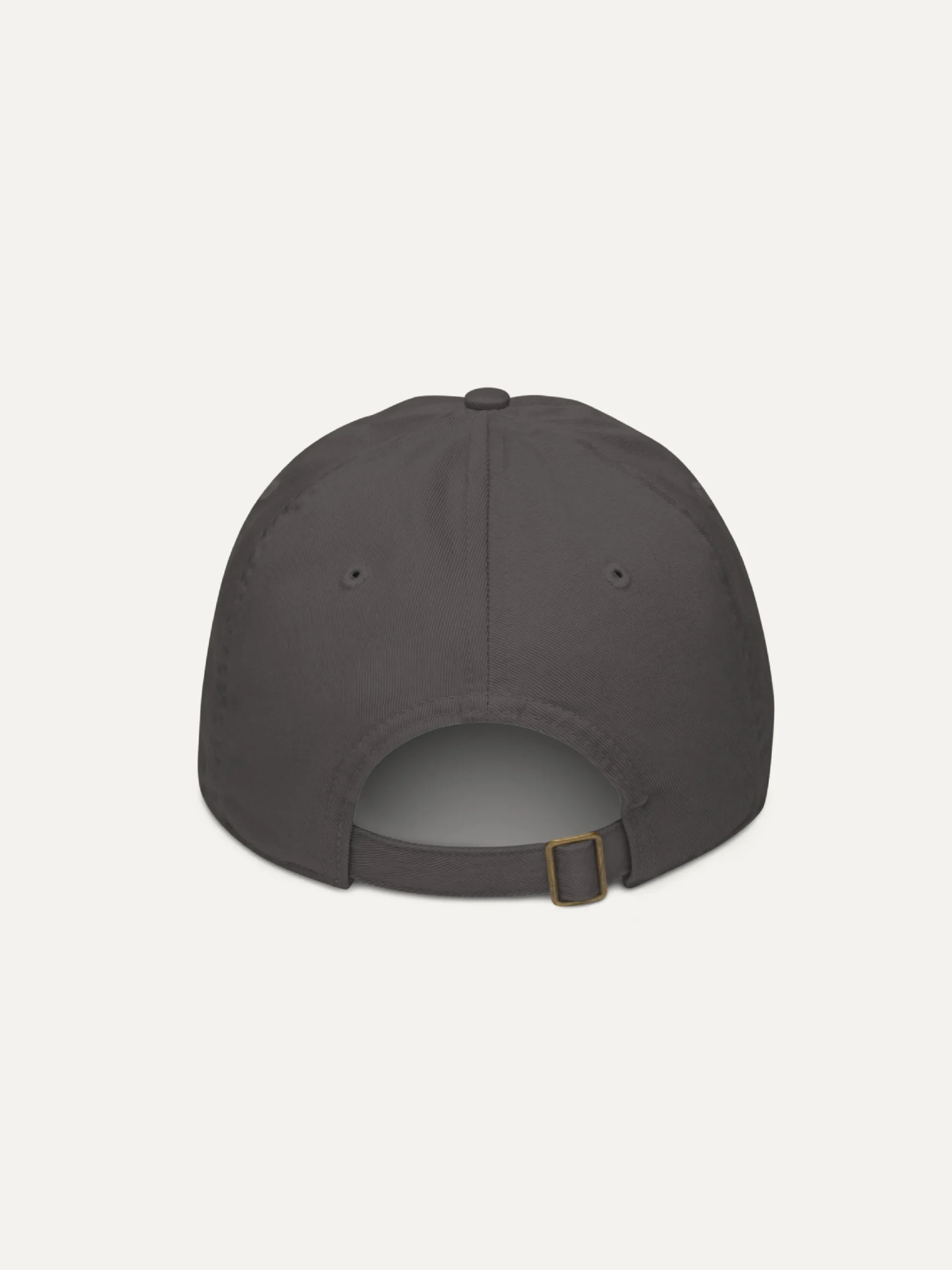
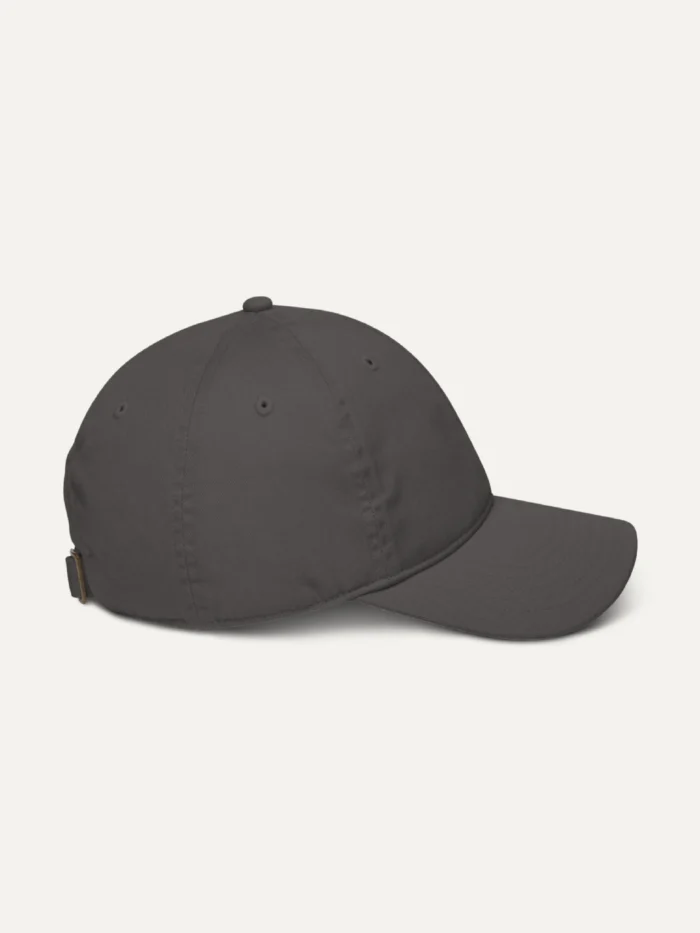
The adjustable rear strap allows the fit to be refined individually, while the curved visor and understated construction maintain a quiet, versatile profile.
Prepared Tension explores the intelligence involved in preparing and controlling delicate material before and during the act of making.
The work is informed by Jamdani handloom weaving, a living artistic practice in which skill extends beyond the visible textile. Fine material must be prepared, controlled and continually judged so that it remains workable through repeated movement and tension.
The artwork does not reproduce Jamdani motifs, textile patterns, woven surfaces or loom diagrams.
Instead, it translates a less visible relationship: preparation, pressure, stability and correction.
A delicate structure cannot simply be held as tightly as possible.
Too little control may weaken stability.
Too much may restrict the material’s ability to respond.
The maker works between these conditions—maintaining sufficient order for the process to continue while recognising and correcting small changes as they occur.
The complete Prepared Tension artwork uses a larger suspended field surrounded by eight points of controlled tension.
For the cap, this system has been deliberately reduced rather than miniaturised in full.
A central rectangular element is held between two vertical tension points. Alongside it, a partial outer boundary remains predominantly controlled but carries a slight deviation, preserving the relationship between stability and responsive adjustment found in the complete composition.
The fragment is not intended as a separate symbol.
It is an embroidery-scale extraction from the larger Prepared Tension system, retaining only the structural information necessary for the idea to remain legible at a smaller scale.
Positioned on the wearer’s left front panel, the embroidery avoids the centre seam and allows the mark to sit quietly within the architecture of the cap.
Rendered in muted ochre against Charcoal cotton twill, the application remains visible without becoming visually dominant.
PREPARED TENSION
Material Preparation — Tension & Structural Judgement System
A minimal system examining how delicate material is prepared to remain stable under repeated pressure.
Preparation establishes order.
Tension creates working stability.
Attention detects change.
Correction restores balance.
Judgement keeps the system responsive.
In the complete study, external points establish controlled forces around a prepared field.
For the cap, this logic is condensed.
The paired tension points indicate material held within a working condition.
The central form represents stability under control.
The partial outer boundary establishes containment.
Its subtle deviation records pressure and response rather than failure.
Together, the elements suggest that handmade precision does not depend on mechanical perfection. It depends on noticing change and understanding how much adjustment is required for the process to continue.
Prepared Tension does not document a Jamdani textile, motif, loom or weaving pattern. It is a research-led interpretation of the material preparation, tension control and structural judgement embedded within a living handloom practice.
An observation of stability not as stillness, but as continuous adjustment.
Designed with a soft, unstructured profile for understated everyday wear.
A reduced Prepared Tension fragment is embroidered on the wearer’s left front panel.
The muted ochre thread creates a restrained contrast against the Charcoal base while keeping the fine structural relationships legible at embroidery scale.
Adjustable fit.
Use the rear strap and buckle to refine the circumference for comfortable everyday wear.
Designed to be worn often and kept over time.
This product is made on demand.
Producing only what is ordered helps reduce excess inventory and unnecessary overproduction.
Part of Endangered Art Forms — Hands That Remember, a research-led visual archive examining the internal intelligence of living artistic practices: how material is prepared, tools and bodies are coordinated, sequences are learned, variation is judged, errors are corrected and knowledge is carried through continued practice.
Prepared Tension is informed by the material preparation, tension control and structural judgement associated with Jamdani handloom weaving. It deliberately avoids Jamdani motifs, textile patterns and culturally specific decorative forms.
The work is presented as an informed, non-literal interpretation rather than documentation of the practice itself.