

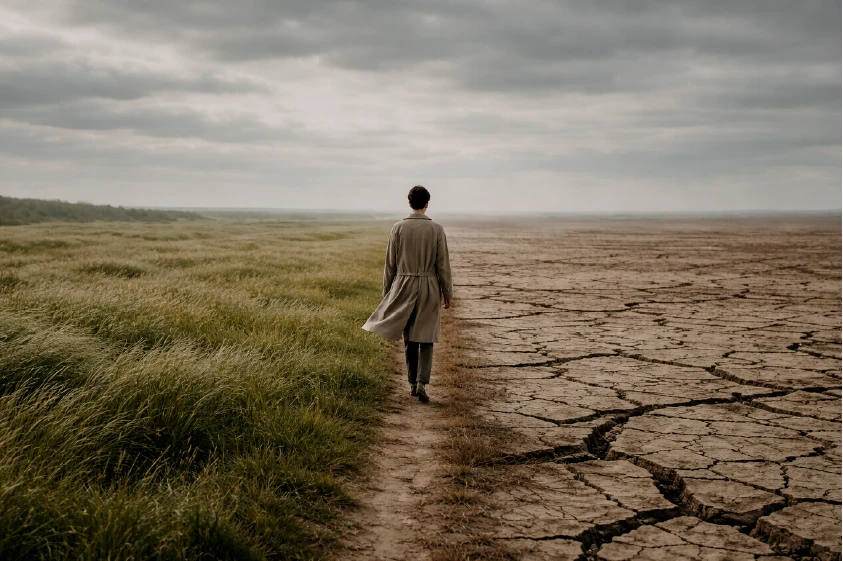
FEATURED
—
CLIMATE & NATURE
Landscapes shaped by pressure, loss, and resilience.
RARE SPECIES
A record of life on the edge of disappearance.
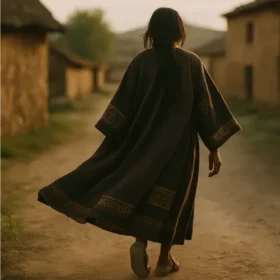
CULTURES AT RISK
When land changes, identity begins to fade.
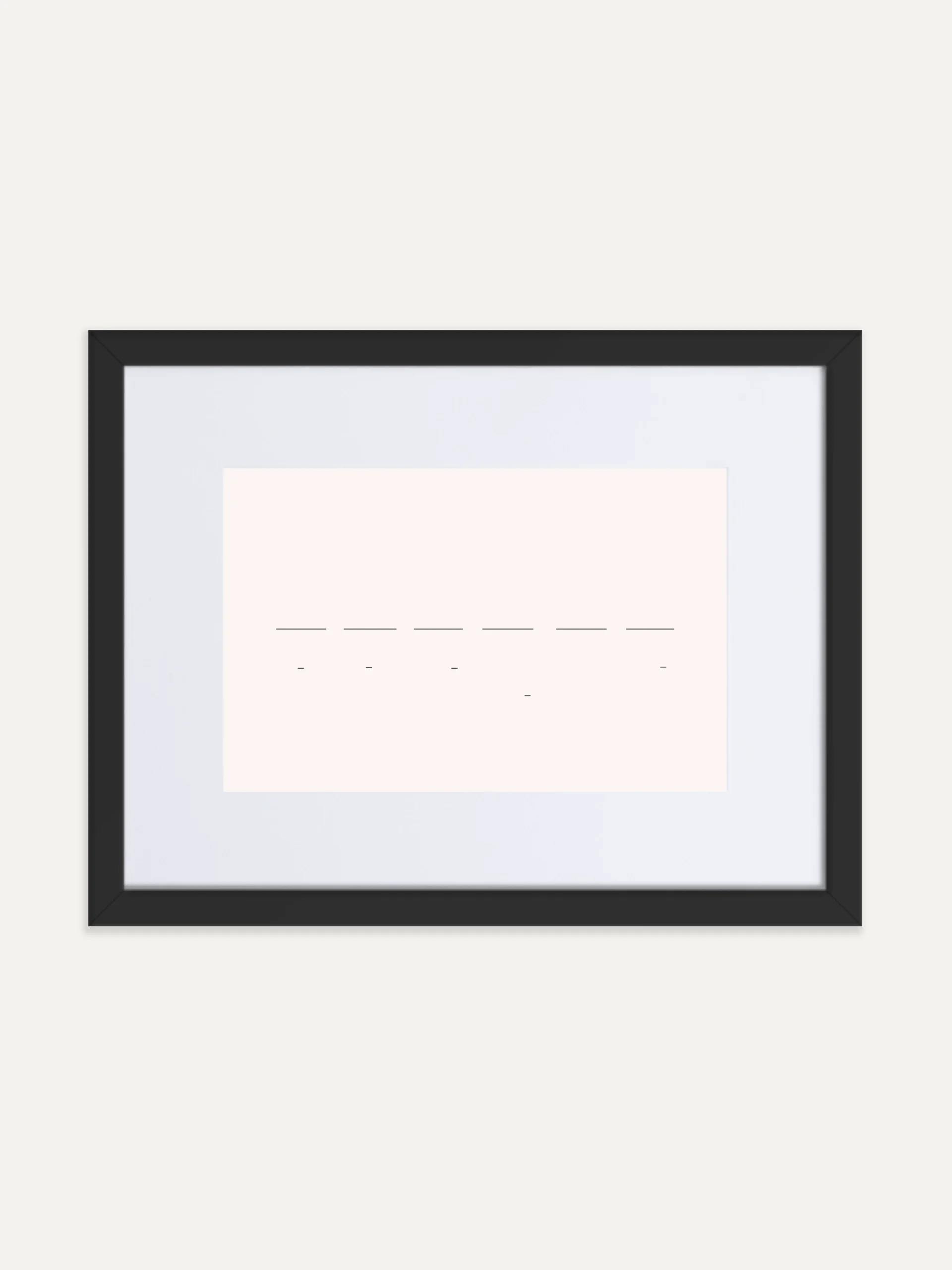
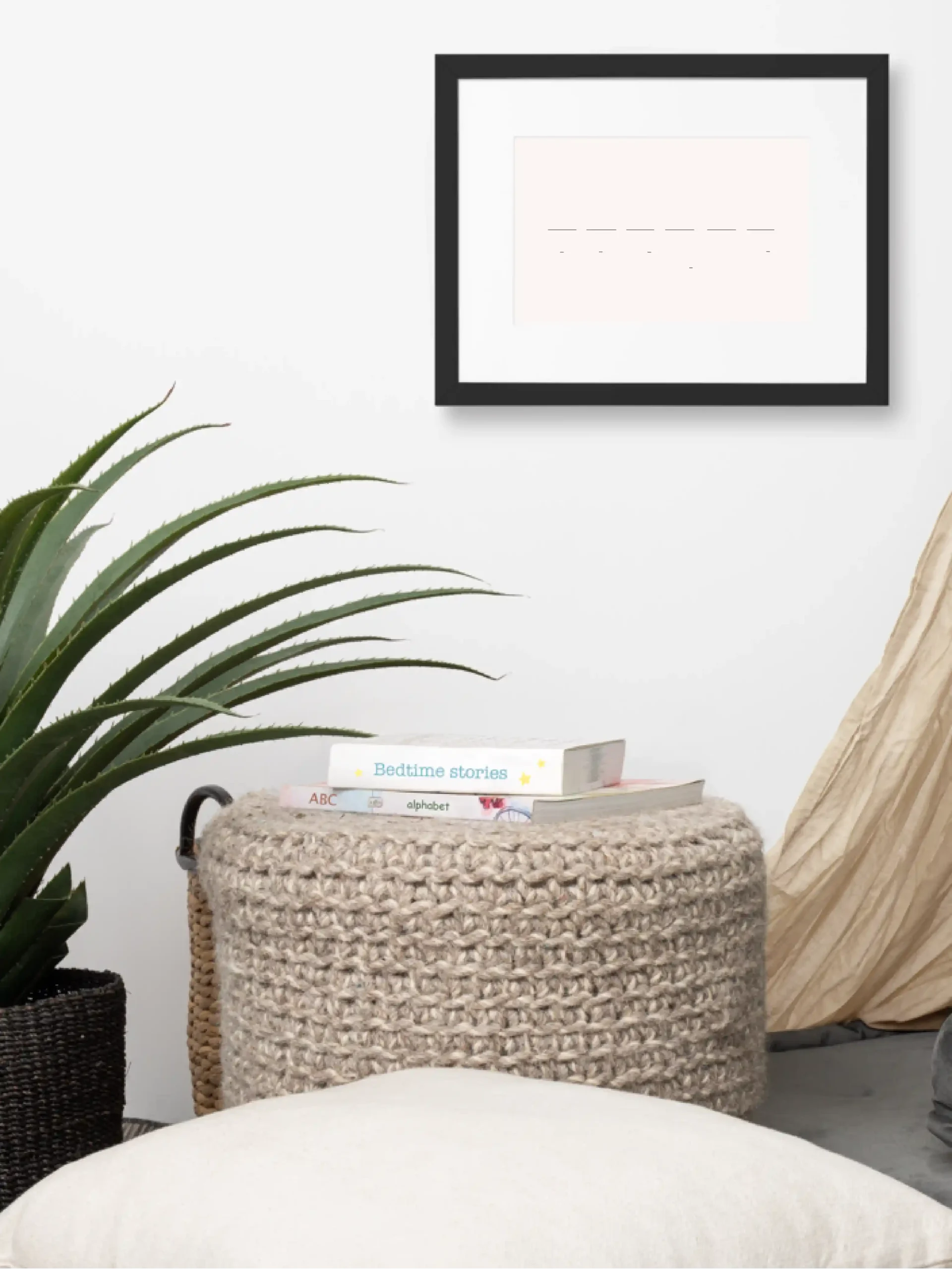
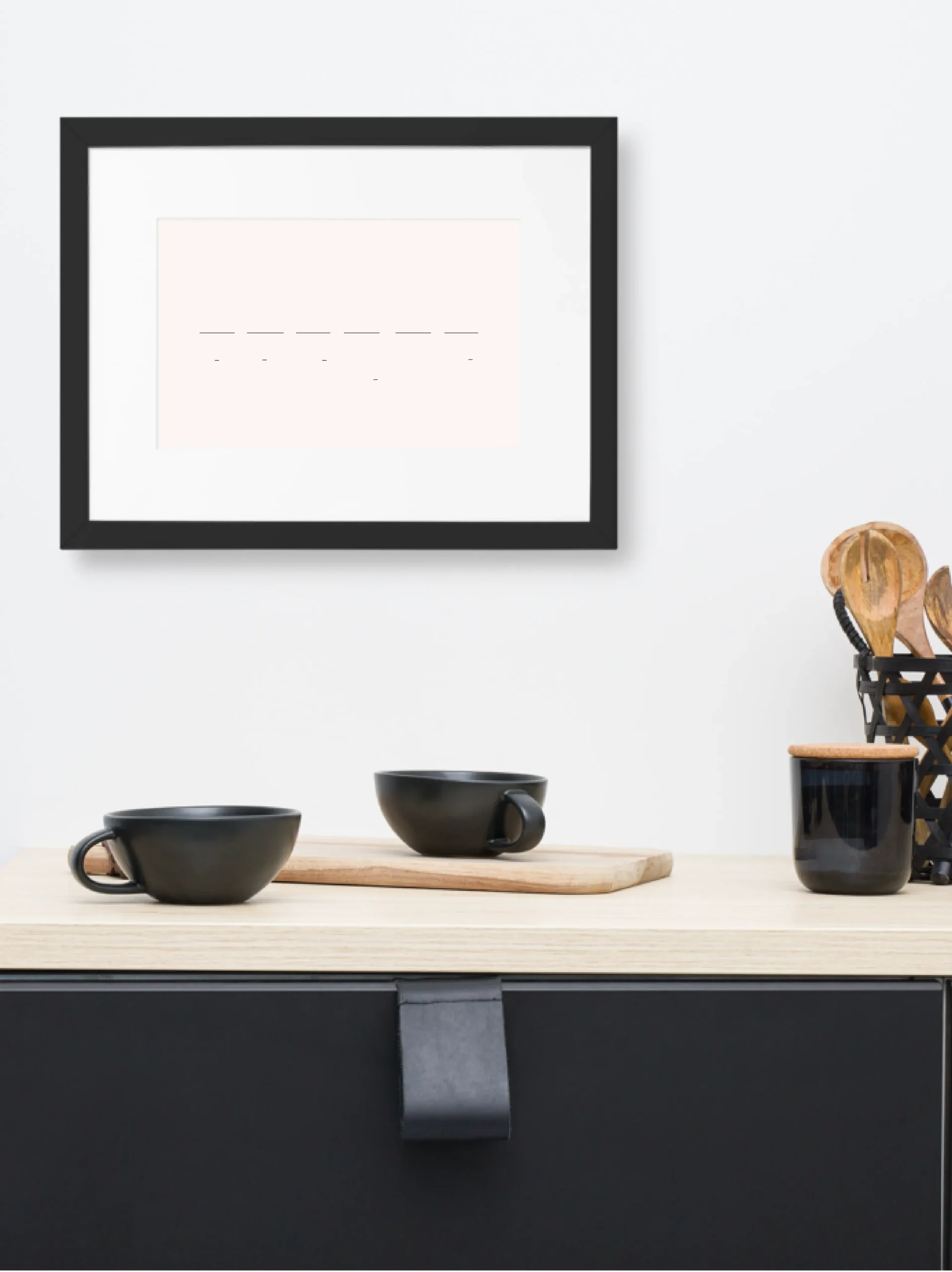
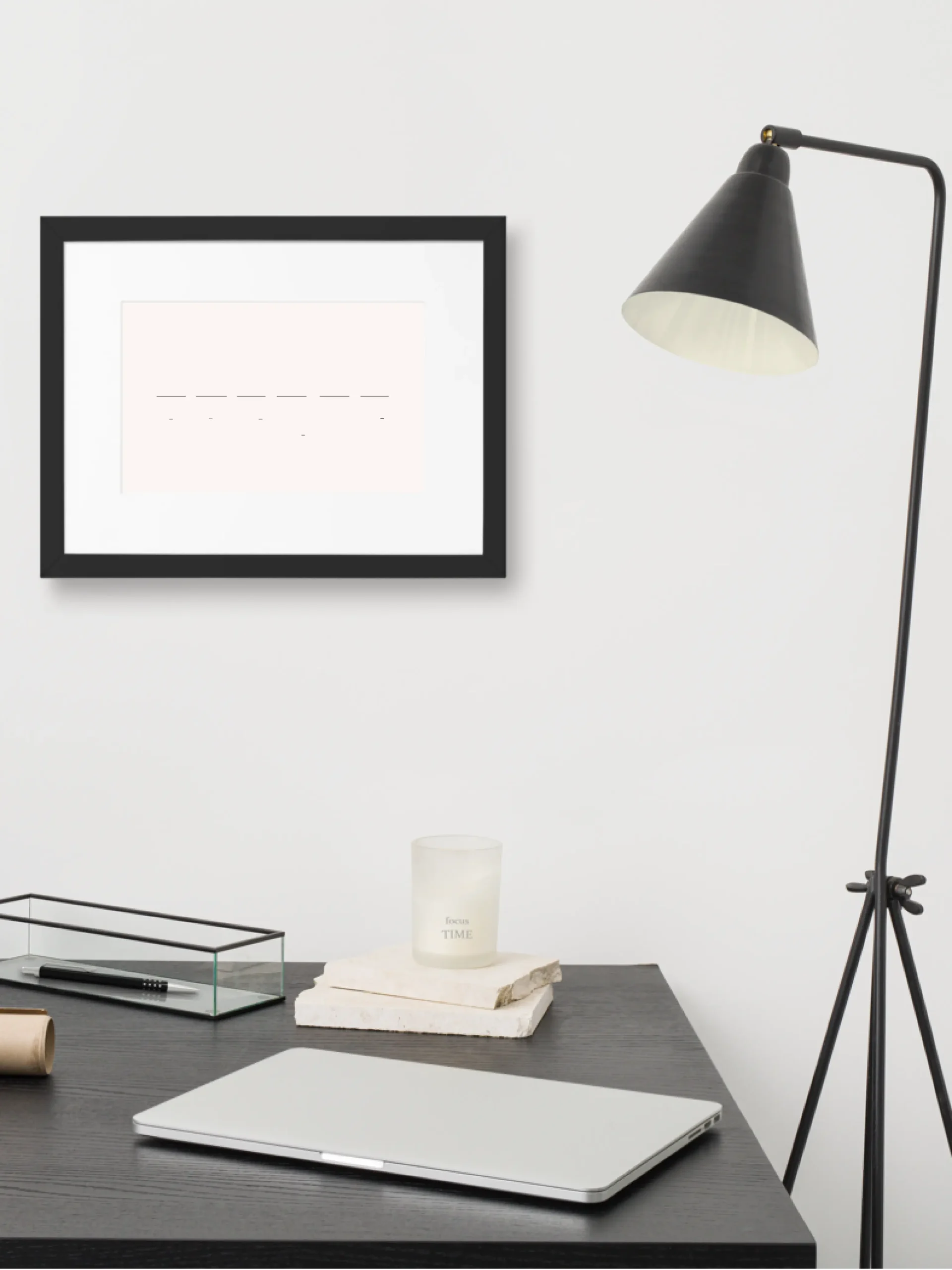
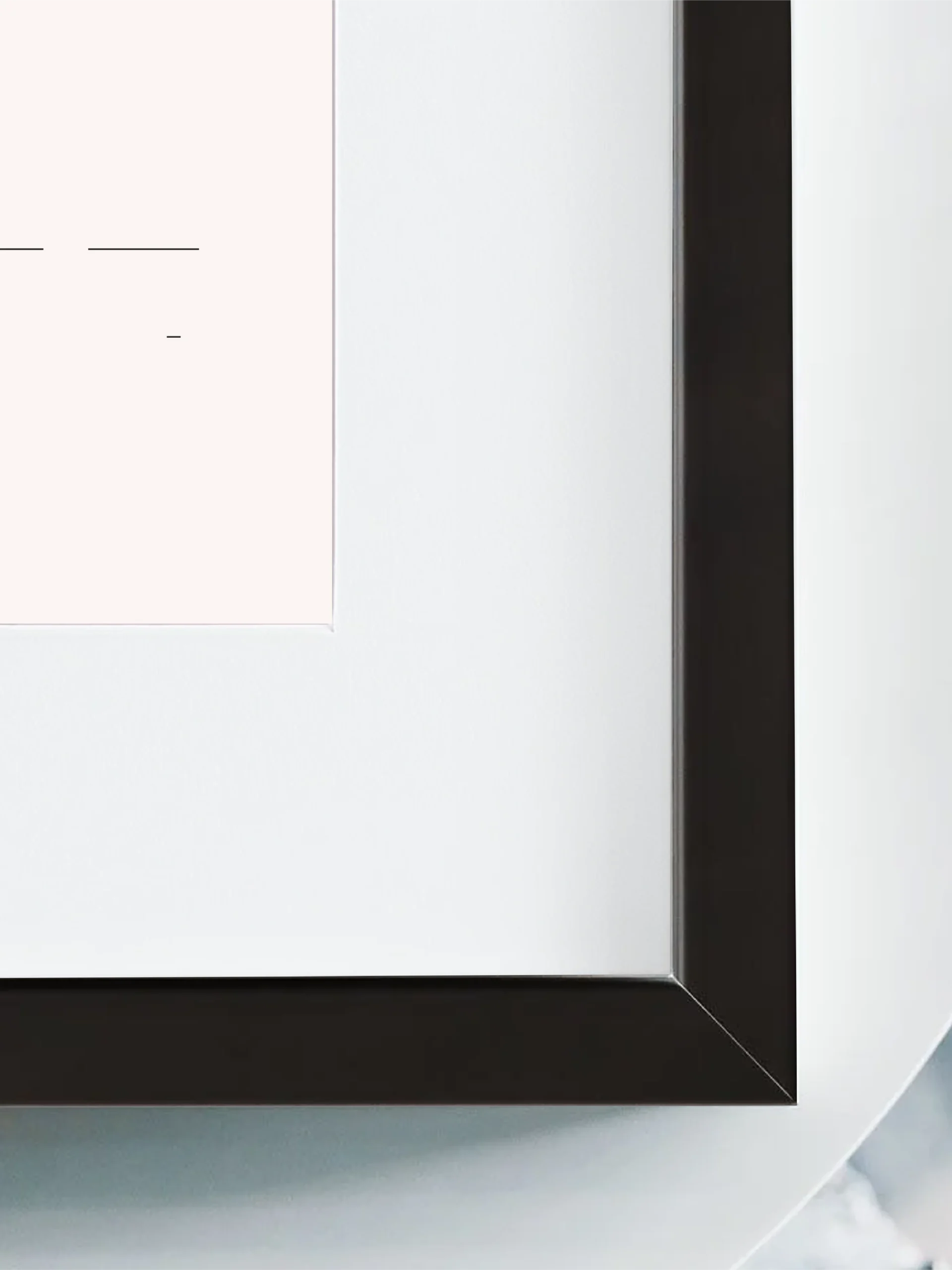
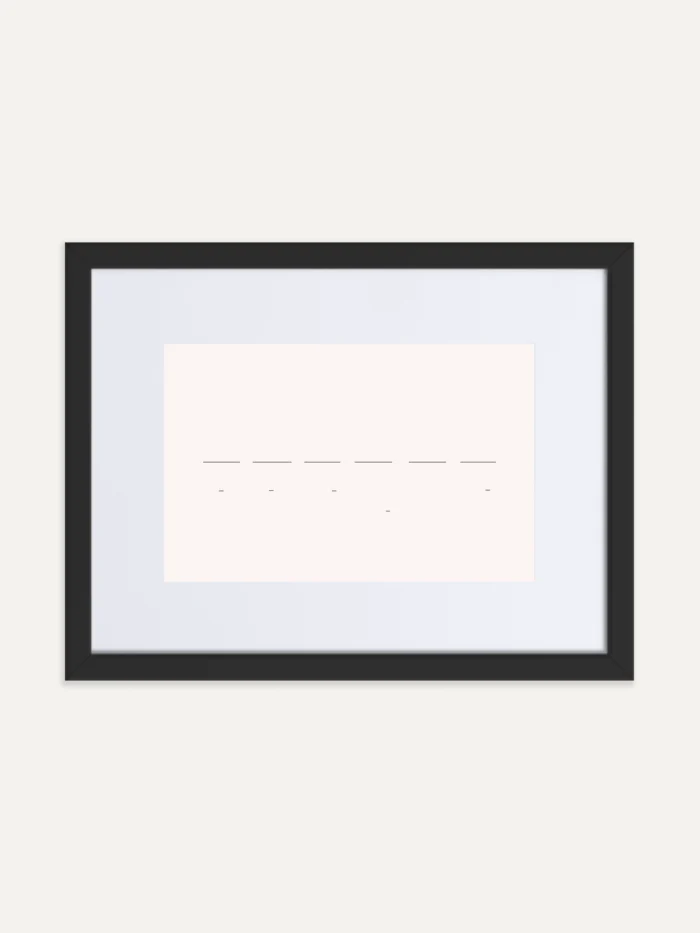
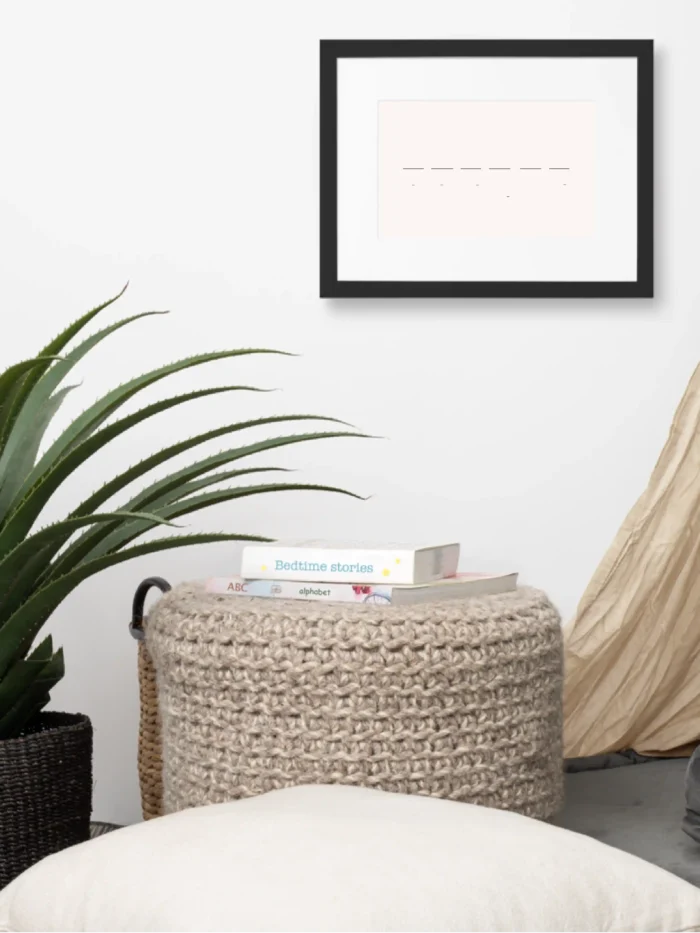
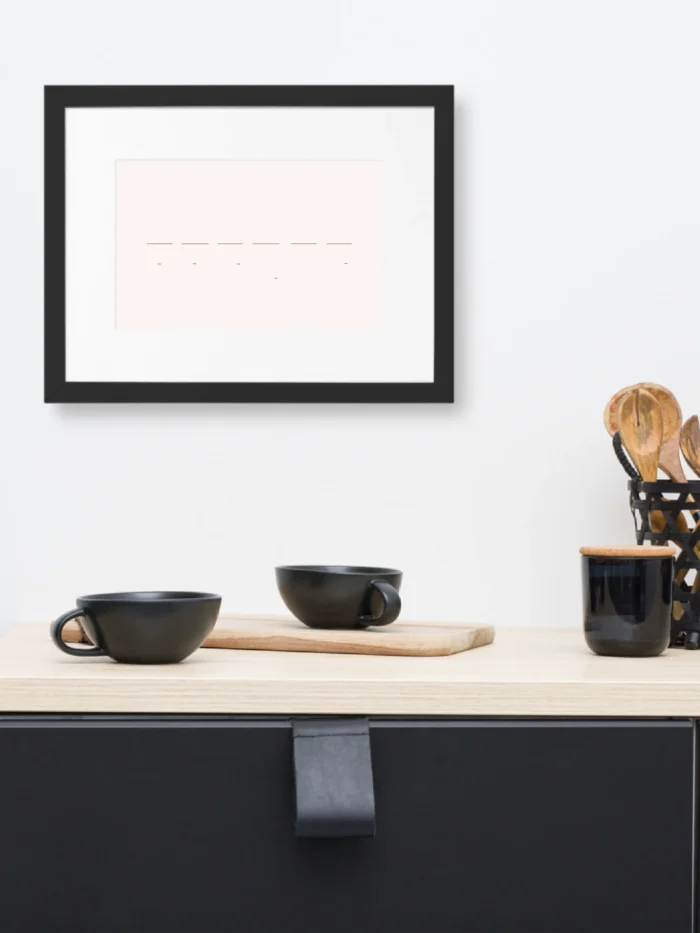
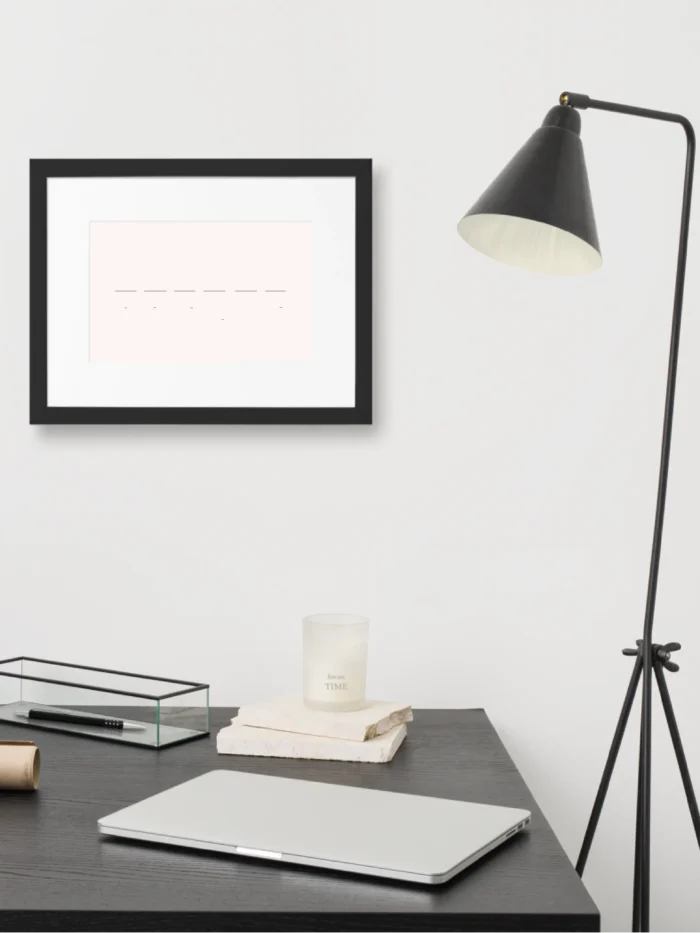
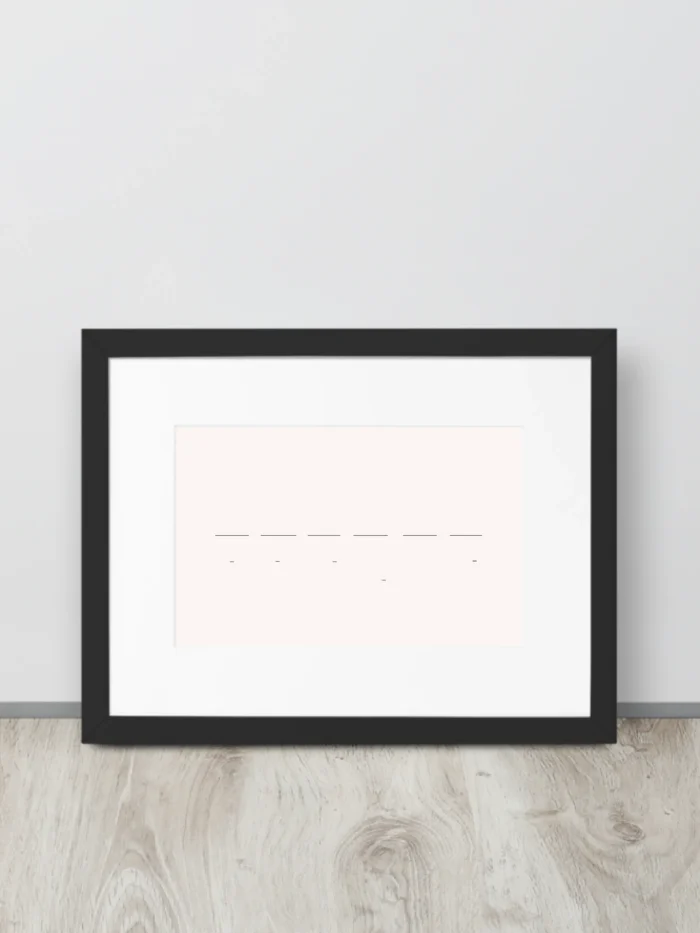
A restrained study of repeated return, interrupted presence and the traces that remain when people and land are drawn apart.
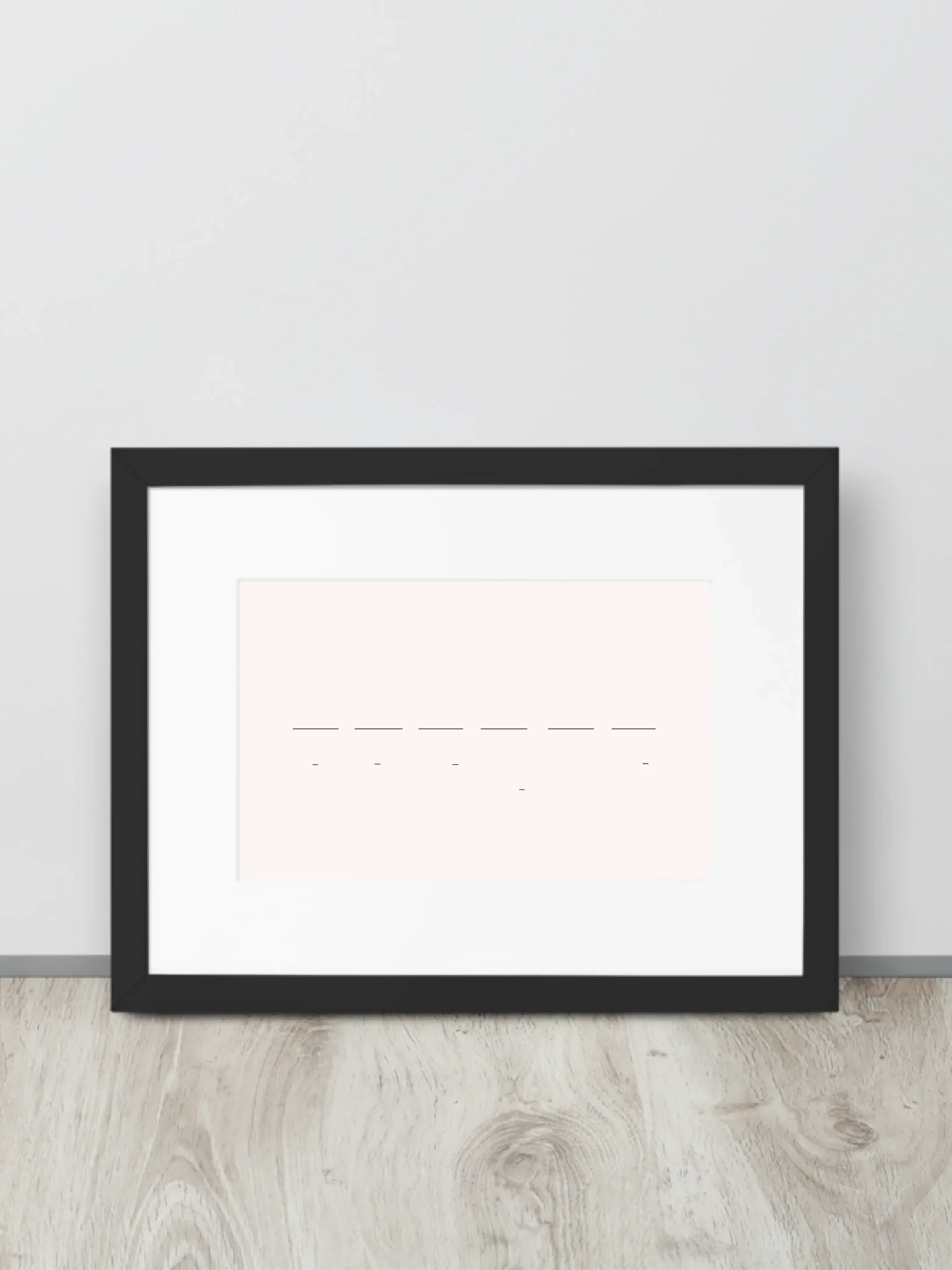
Return Interval examines how relationships with the ground develop through repeated contact, care and familiarity—and how those relationships change through instability, absence and displaced return. Reduced to six extended ground lines and five smaller response marks, the composition moves from stability toward deviation, interruption and altered reconnection.
Expressed as a framed wall study for calm, structured interiors.
Printed on museum-quality matte paper at 189 g/m² and presented with a white mat board and black ayous wood frame, the work translates the Return Interval system into a quiet architectural presence.
40 × 30 cm · Ready to hang.
$129.00
Human + Land Collection · The Soil Remembers
A minimal study of repeated presence, interrupted care and displaced return within the relationship between people and land.
Return Interval — Study 01 translates the changing rhythm of human contact with the ground into a restrained horizontal composition.
The work considers how familiarity with land develops through repeated return—and how this relationship can shift when access, livelihood, environmental conditions or patterns of care become less stable.
Reduced to six extended ground lines and five smaller response marks, the composition records continuity not as permanence, but as something maintained, interrupted and approached again from a changed position.
Return Interval examines the relationship between people and land through repeated presence, care, interruption and return.
Long relationships with the ground are formed through repetition.
People return to the same place.
Work is resumed.
Conditions are observed.
Knowledge accumulates.
Care becomes part of a continuing rhythm.
These relationships are not always permanent or stable.
Environmental pressure, changing livelihoods, displacement, migration and reduced access to familiar land can widen the interval between one return and the next.
An expected action may arrive differently.
It may be delayed.
Sometimes it may not occur at all.
When contact resumes, neither the person nor the land occupies exactly the same position as before.
The artwork does not illustrate farmers, crops, landscapes or recognisable agricultural imagery.
Instead, it translates this changing relationship into six extended ground lines and five smaller response marks arranged as a measured horizontal sequence.
The extended lines establish continuity.
They represent the ground remaining present across repeated periods of contact, distance and return.
Their lengths vary subtly, preventing the sequence from becoming mechanically uniform and acknowledging that land does not remain entirely unchanged between one encounter and the next.
The smaller marks record human response—moments of attention, labour, care or return.
The first two relationships remain nearly stable.
Their response marks sit at similar intervals beneath the ground lines, suggesting familiarity developed through repeated presence.
The third response moves slightly sideways.
This lateral deviation introduces the first indication that an established rhythm is beginning to shift.
A later response moves further away, creating a visibly larger interval between the ground and the person returning to it.
The next expected response is absent.
The ground line remains, but the corresponding human mark does not arrive.
In the final relationship, the response returns in a displaced position.
It remains connected to the sequence, but does not restore the earlier alignment completely.
The composition therefore develops as a quiet progression:
contact is established,
return becomes familiar,
stability begins to shift,
distance increases,
presence is interrupted,
and return occurs in a changed position.
Rendered as fine muted earth-grey linework within a soft warm-white field, the artwork remains quiet and precise.
Generous negative space allows the differences between stability, deviation, absence and return to emerge through close observation rather than immediate visual impact.
RETURN INTERVAL
Repeated Presence — Absence & Displaced Return System
A minimal system exploring how a relationship with land develops through repeated presence—and how that relationship changes when return becomes uncertain.
Ground establishes continuity.
Presence creates relationship.
Repetition builds familiarity.
Deviation introduces instability.
Absence interrupts the cycle.
Displaced return carries the memory of what came before.
The six extended lines represent the continuing ground.
Their subtle variation prevents the field from becoming mechanically uniform while maintaining a shared structural rule.
The smaller marks register human response.
Close alignment suggests dependable return.
Lateral movement records the first instability.
A wider vertical interval indicates increasing distance.
Absence marks a break in the expected cycle.
The final displaced response suggests that return remains possible, but does not erase the effects of separation, migration or time.
The missing response is not an empty decorative space.
It is an active interval within the system—a point at which the ground continues while the expected human relationship is no longer maintained.
The final mark does not return to its original alignment.
It re-enters the sequence from a changed position.
The system therefore does not resolve through perfect restoration.
It preserves the trace of interruption.
Return Interval does not document a particular landscape, community, farming method or agricultural tradition. It is a research-led interpretation of how relationships with land are formed through repeated contact and altered through interrupted return.
An observation of the ground that remains—and the changed position from which people return.
The landscape orientation reinforces continuity, distance and measured progression.
Six extended ground lines create a restrained horizontal rhythm, while the smaller response marks establish changing vertical and lateral intervals beneath them.
The absent mark introduces a quiet break without disrupting the continuity of the larger field.
Subtle variation between the relationships prevents the composition from becoming mechanically repetitive.
Generous negative space allows each interval to remain visible without visual excess.
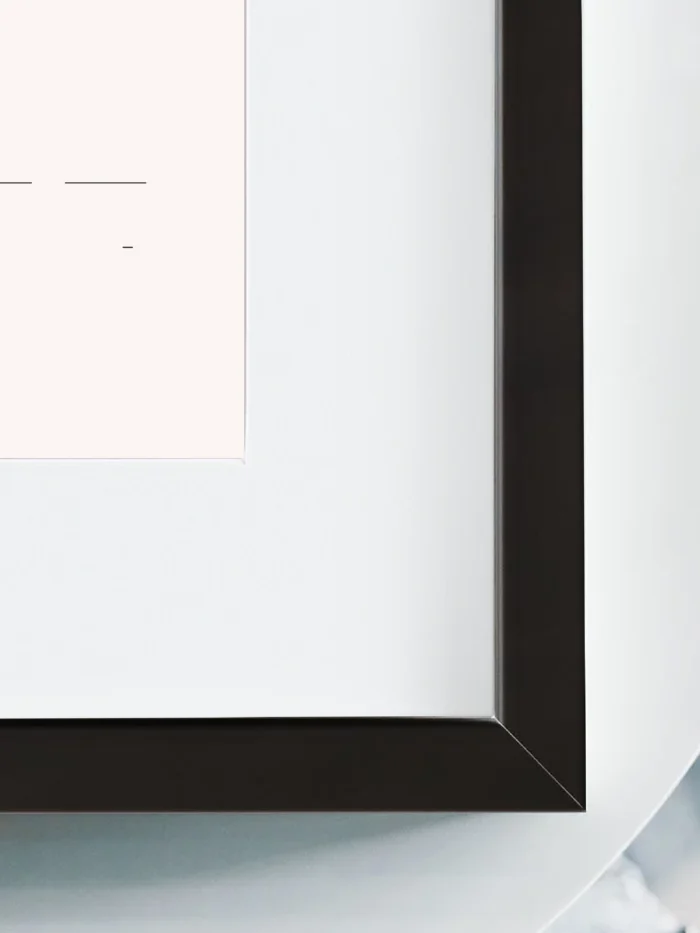
The white mat board creates breathing space around the artwork, while the black frame establishes a precise architectural boundary.
Designed for considered interiors, the work can sit comfortably within living spaces, studios and work environments without becoming visually dominant.
Printed on museum-quality matte paper using precision water-based inkjet printing to preserve fine-line clarity and restrained tonal variation.
A white mat board surrounds the artwork, creating depth and visual separation.
The black ayous wood frame provides a clean, structured edge aligned with the minimal visual language of Human + Land.
Ready to hang.
Suitable for interiors that value clarity, structure and a restrained visual language.
Each piece is produced on demand.
Printing only when ordered helps reduce excess inventory and unnecessary material waste.
Part of Human + Land — The Soil Remembers, a research-led visual archive examining the reciprocal relationship between people and the ground they depend upon.
The collection considers repeated return, seasonal care, adaptation, instability, migration and the residual memory carried by land after established patterns of human presence have changed.
Rather than illustrating agriculture or rural life, the works translate these relationships into restrained systems of continuity, interval, interruption and return.
Return Interval examines how familiarity with land develops through repeated contact—and how absence alters that relationship without removing its trace.
The work is presented as an informed, non-literal interpretation rather than documentation of a particular place, community or agricultural practice.