

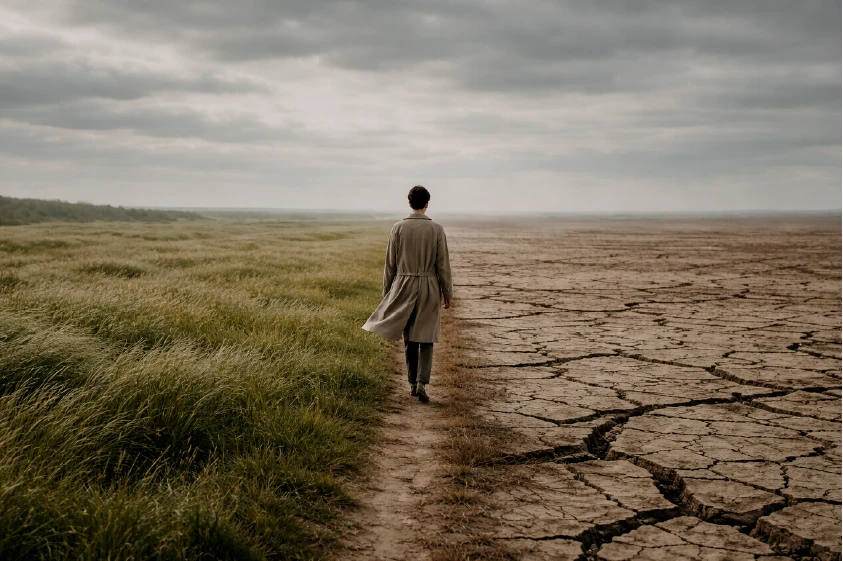
FEATURED
—
CLIMATE & NATURE
Landscapes shaped by pressure, loss, and resilience.
RARE SPECIES
A record of life on the edge of disappearance.
CULTURES AT RISK
When land changes, identity begins to fade.
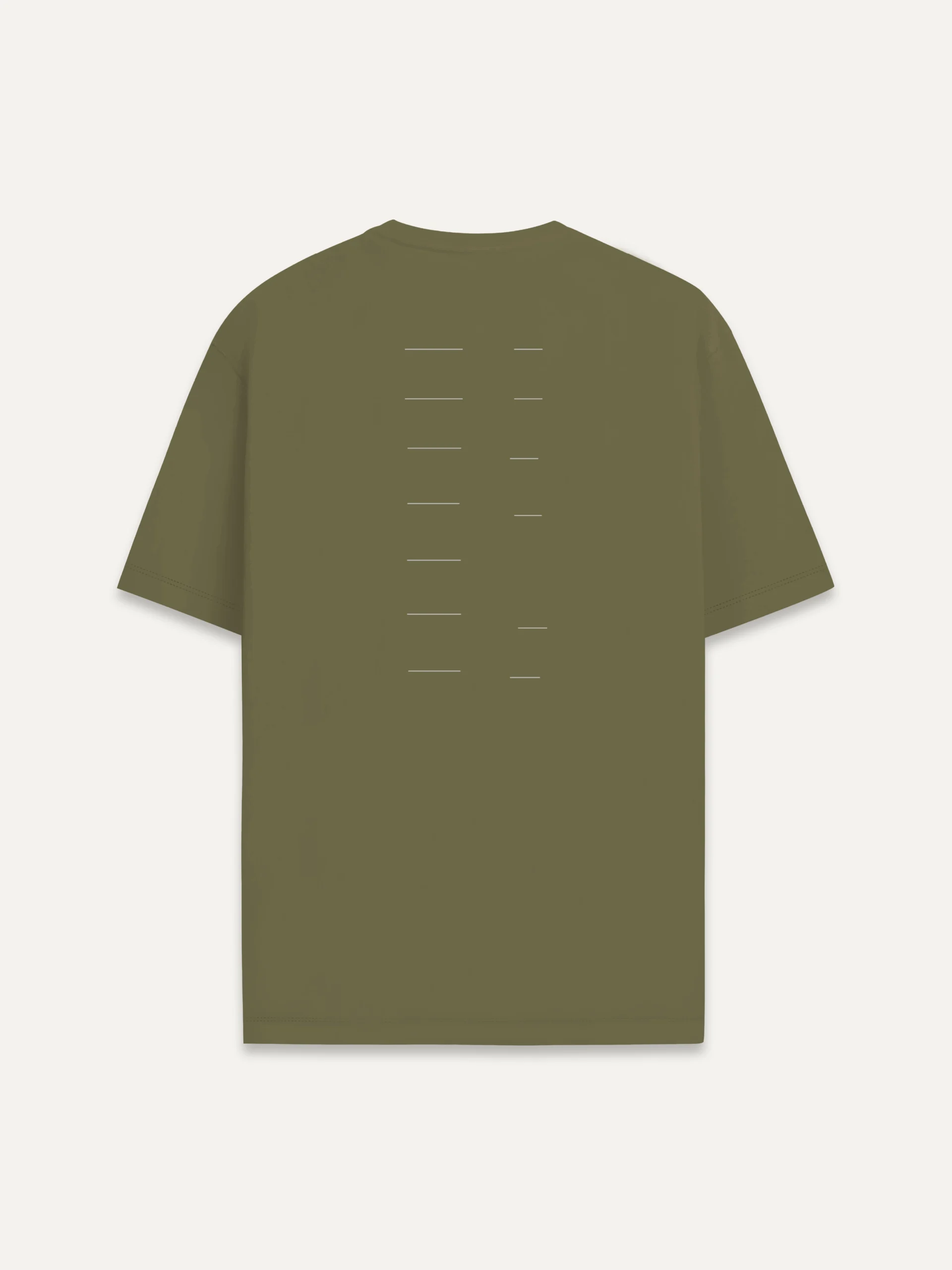
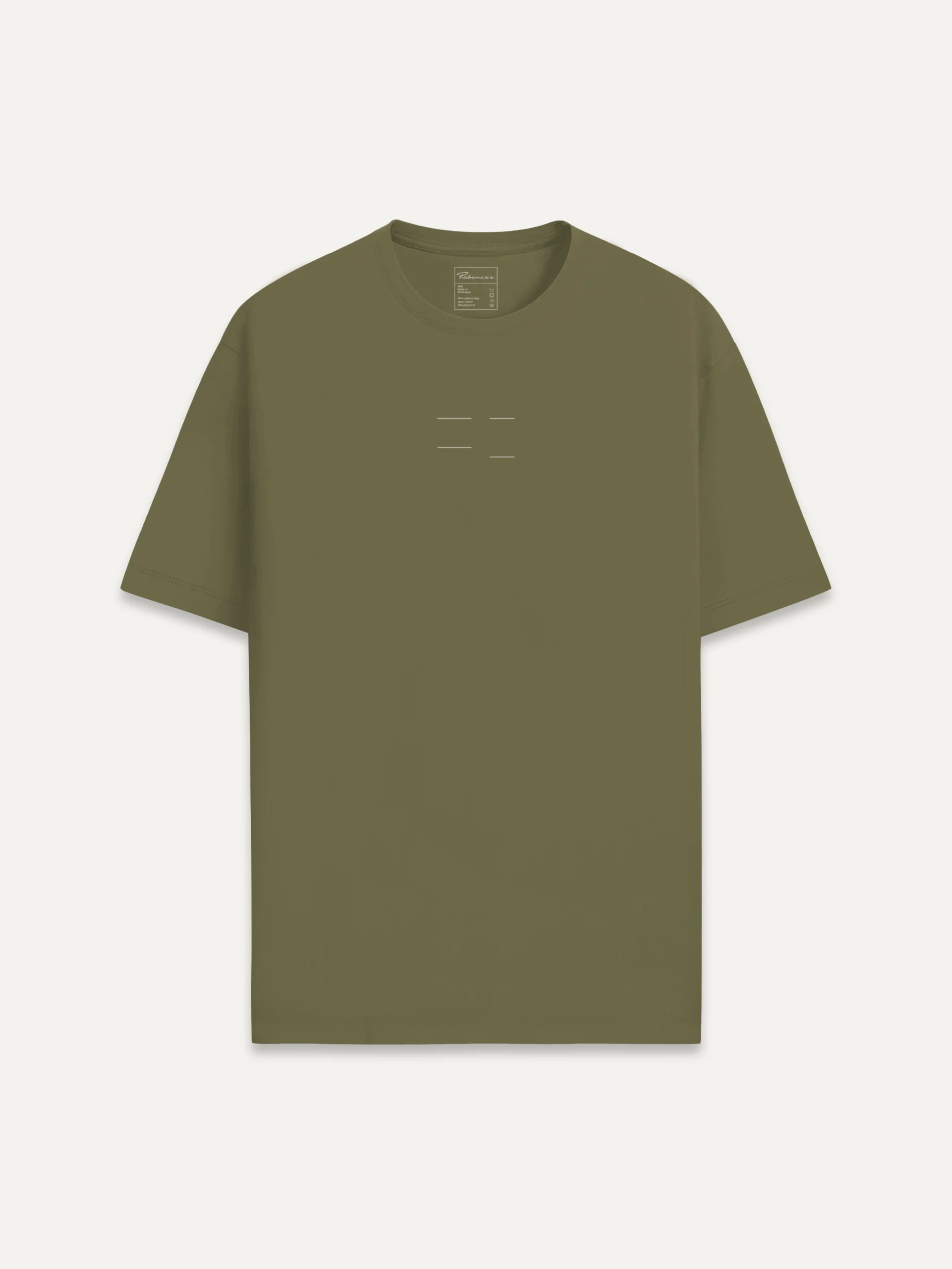
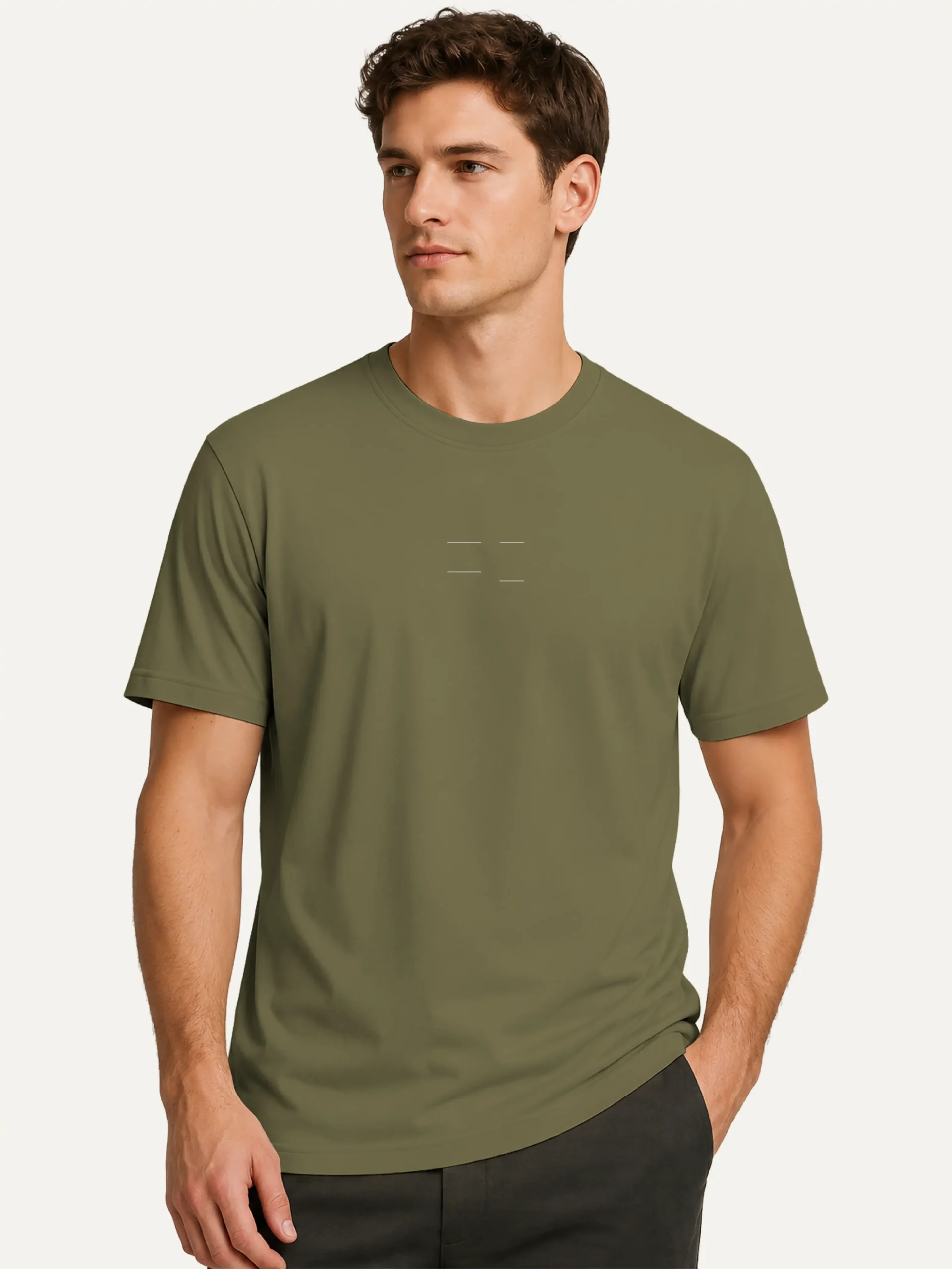
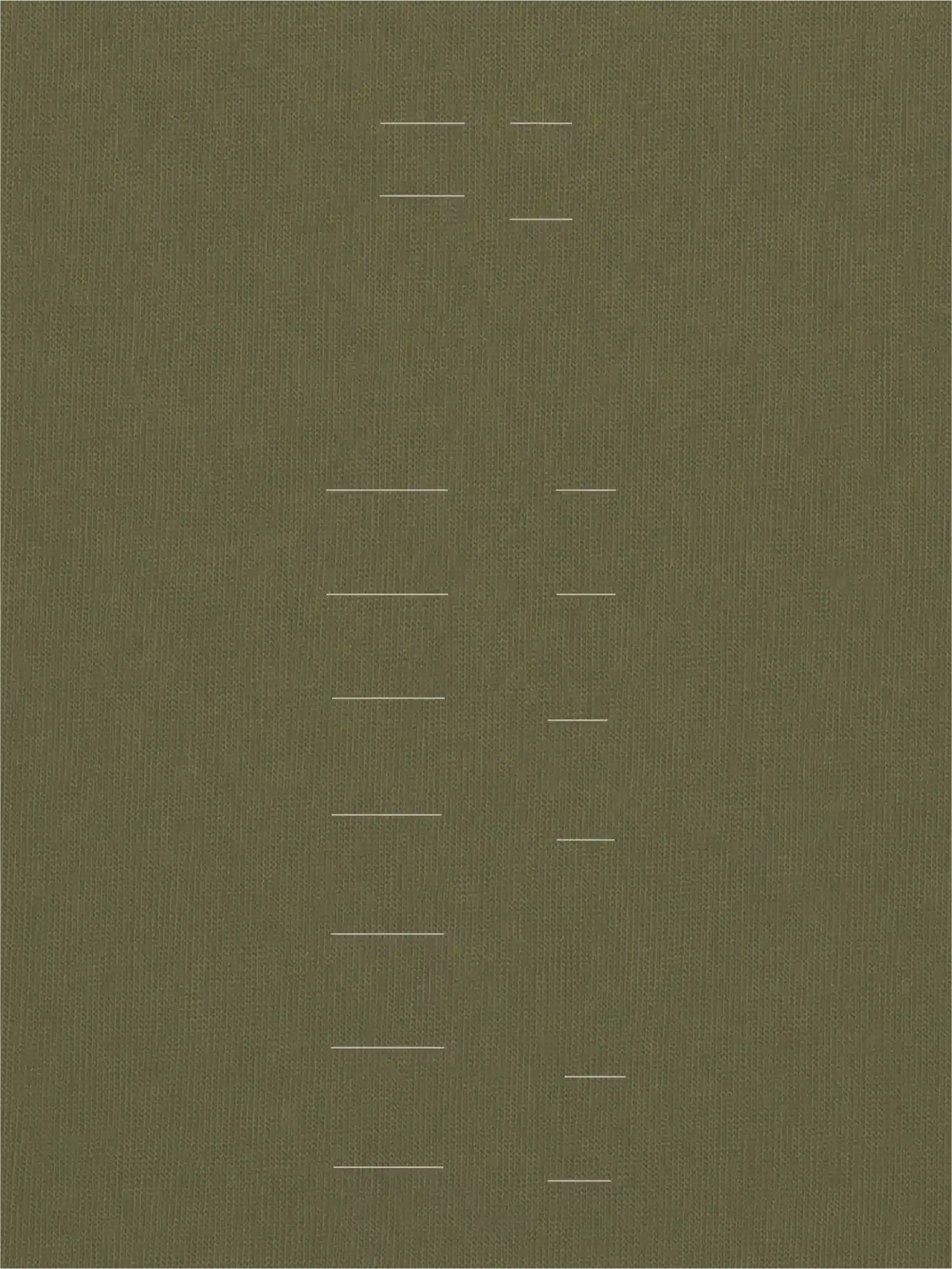
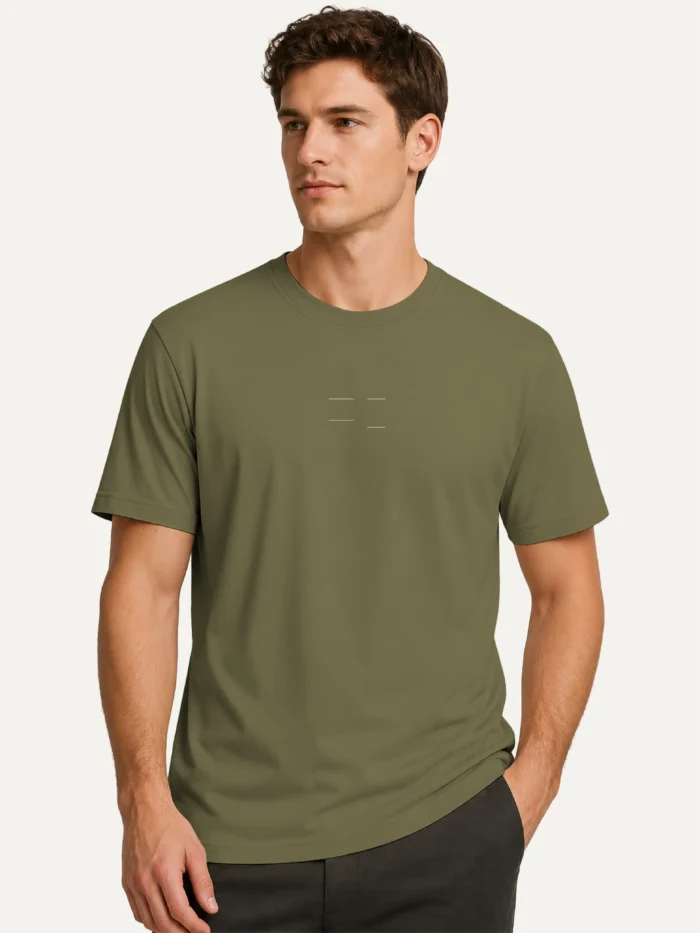
A restrained study of seasonal rhythm, gradual displacement and the adjustments required when familiar cycles no longer arrive as expected.
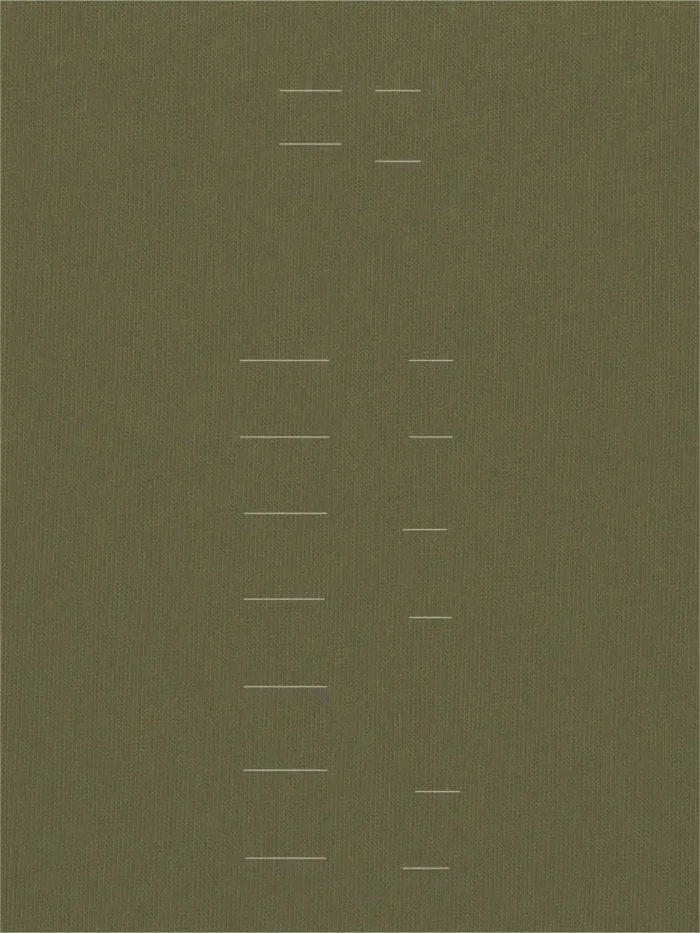
Seasonal Drift explores the relationship between established patterns of land-based care and the changing conditions to which people must respond. Reduced to seven paired linear relationships, the composition moves from close alignment toward increasing separation—recording change as a gradual drift rather than a sudden break.
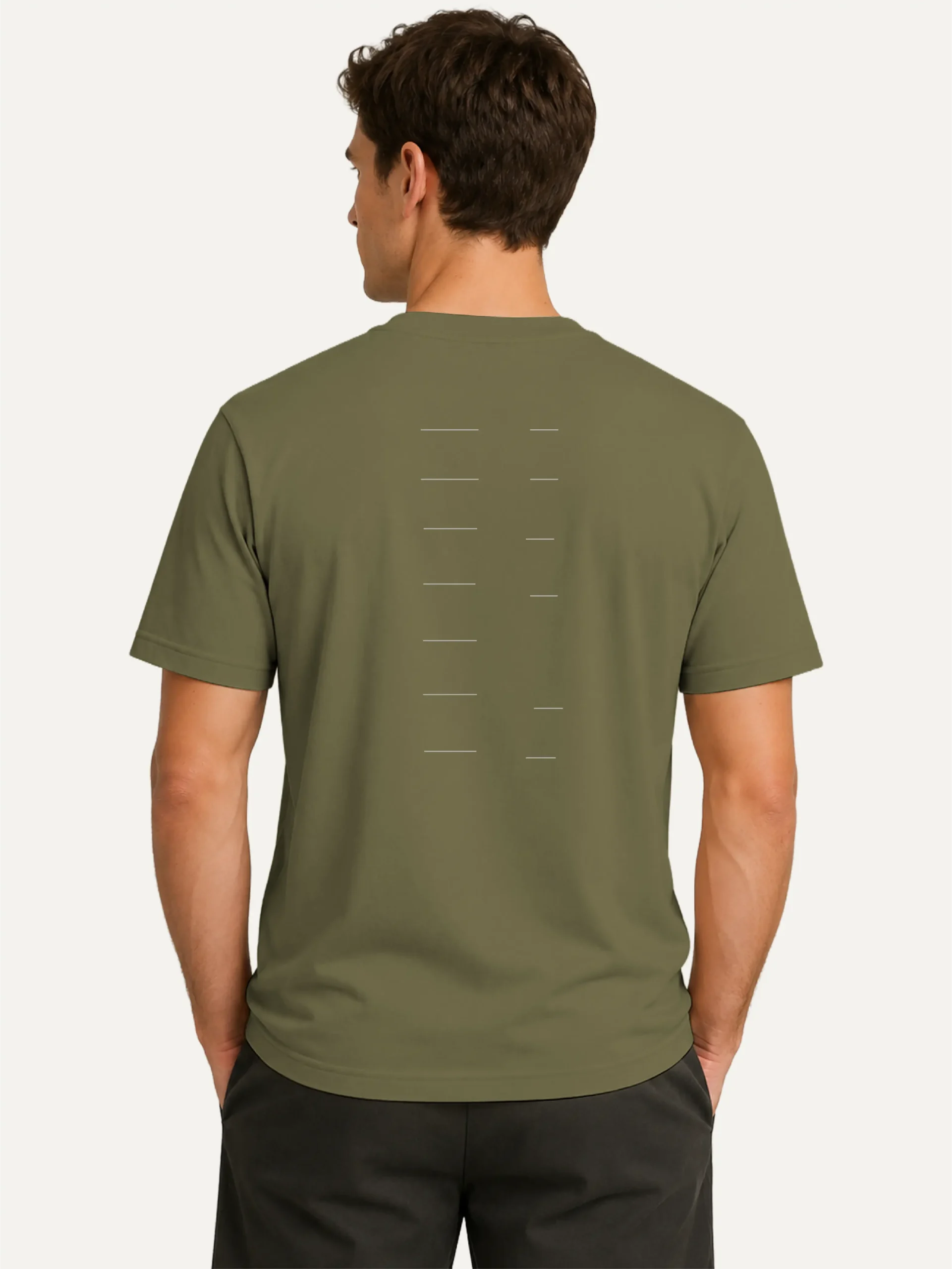
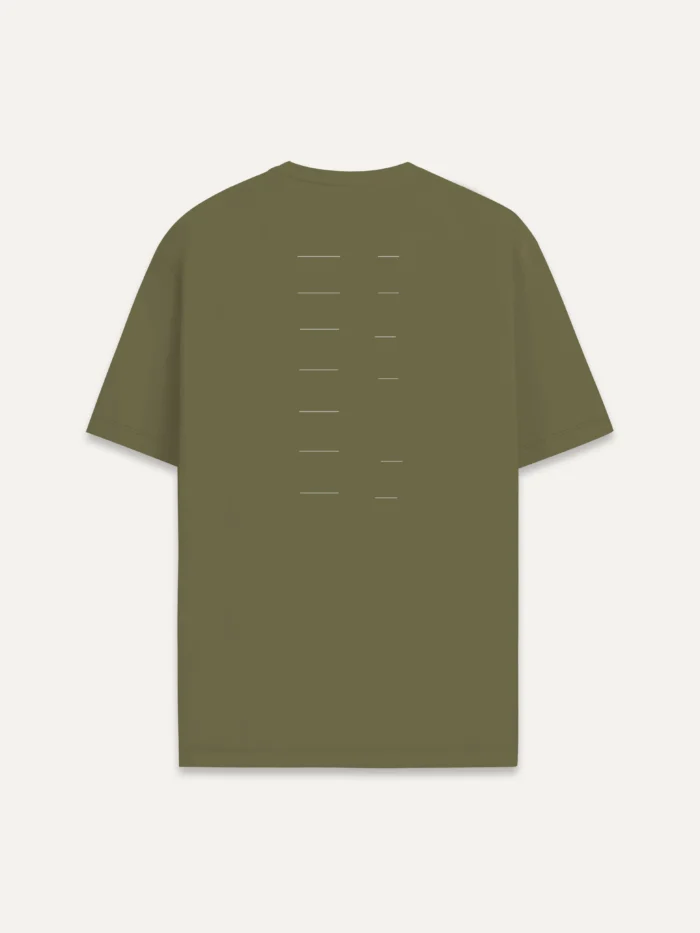
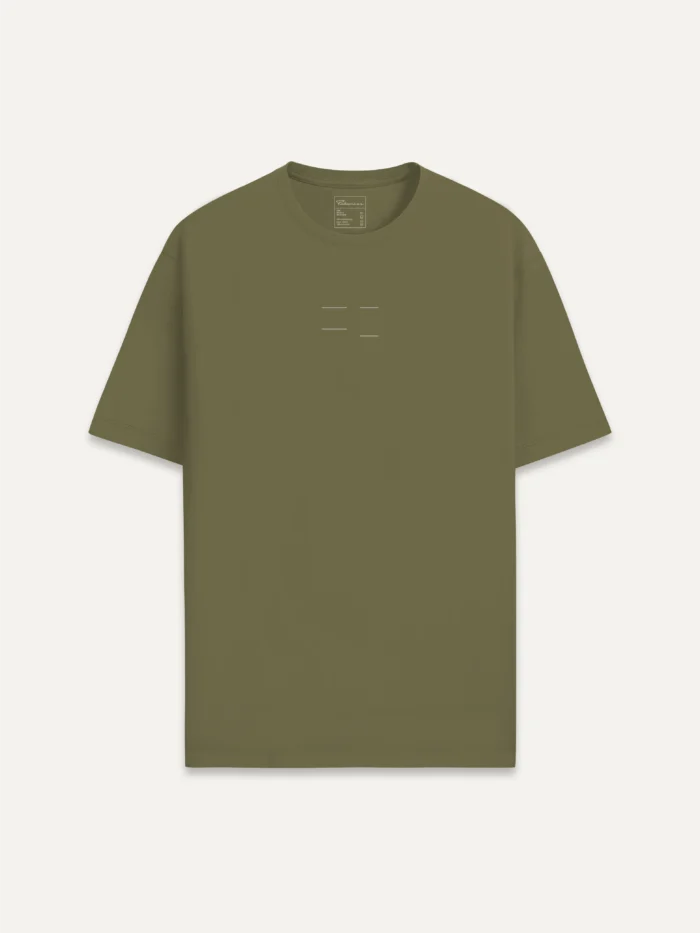
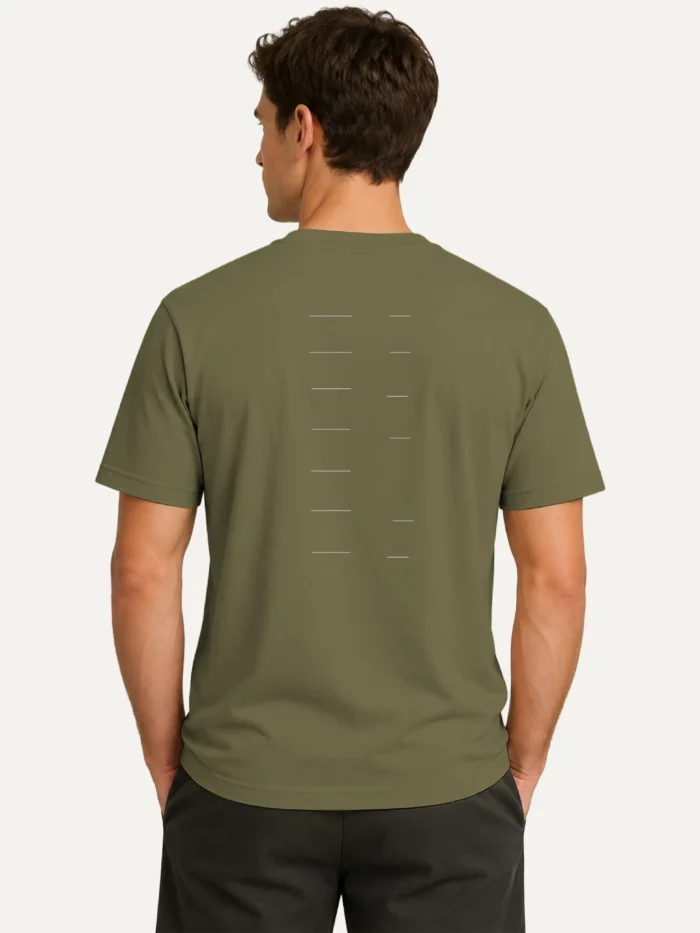
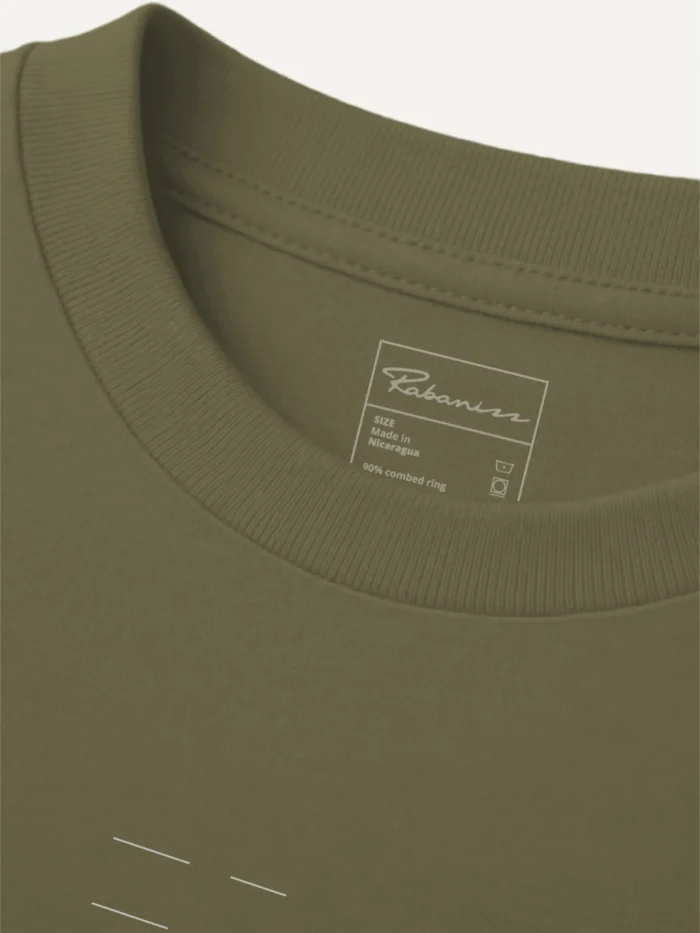
Crafted from 100% organic combed ring-spun cotton at 180 g/m², the T-shirt offers breathable comfort and a refined everyday silhouette. A reduced two-part signal appears at the centre chest, while the complete Seasonal Drift study extends vertically across the upper back in restrained light-toned linework against Khaki.
$65.00
Human + Land Collection · The Soil Remembers
A considered everyday essential built from certified organic cotton for year-round wear.
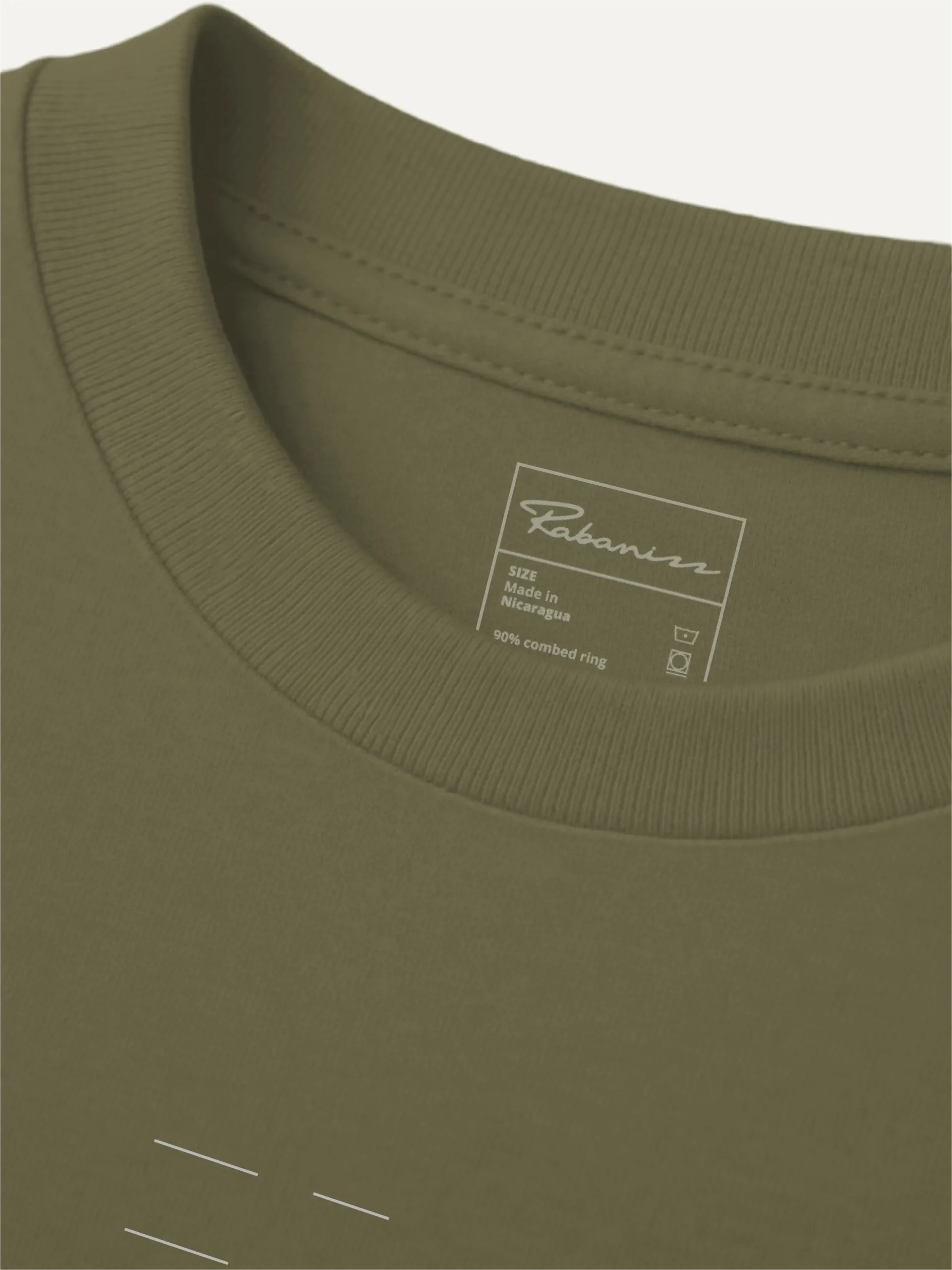
Made using 100% organic combed ring-spun cotton, the fabric carries a balanced 180 g/m² weight that provides structure while maintaining breathability. Its smooth single-jersey construction creates a clean surface and soft hand feel without unnecessary bulk.
Designed with restraint, the garment prioritises comfort, durability and longevity.
Seasonal Drift examines what happens when familiar environmental rhythms and the human activities organised around them begin to move out of alignment.
Relationships with land are often developed through recurrence.
Conditions are observed.
Actions are timed.
Work follows a familiar sequence.
Knowledge grows through repeated attention to when something begins, changes, returns or becomes ready.
Over time, these cycles create expectations.
A remembered interval helps guide the next action.
A familiar condition suggests when to prepare, respond, wait or begin again.
But seasonal patterns do not always remain dependable.
Rain may arrive earlier or later.
Temperatures may shift.
Soil conditions may change.
Periods of growth, rest or preparation may no longer align with inherited expectations.
People must respond to what the land is doing now while carrying knowledge developed under earlier conditions.
Seasonal Drift translates this tension into seven paired linear relationships arranged vertically across the upper back.
Each relationship contains a longer line on the left and a shorter line on the right.
The left sequence establishes a measured reference rhythm.
Its repeated spacing suggests a familiar seasonal structure built through long observation.
The right sequence acts as a changing response.
It begins close to the established rhythm, but gradually moves away from the corresponding reference positions.
The first relationships remain nearly aligned.
A small difference then appears.
Across the middle of the composition, the vertical intervals begin to widen.
The right-hand responses arrive progressively later in relation to the stable reference sequence.
Toward the lower part of the artwork, the distance becomes more apparent, recording accumulated drift rather than one isolated disruption.
Neither side disappears.
The relationship continues.
What changes is the timing between them.
The composition therefore develops as a quiet progression:
a cycle is recognised,
timing becomes familiar,
a difference appears,
the interval begins to shift,
separation accumulates,
response continues,
and adaptation becomes necessary.
At the centre chest, the complete system is reduced to two paired relationships.
The first remains closely aligned.
The second introduces a small shift between the reference line and its response.
This reduced signal preserves the movement from familiar timing toward emerging seasonal displacement without reproducing the full upper-back composition.
Rendered in restrained light-toned linework against Khaki, both applications remain deliberately low contrast, revealing their changing intervals through closer observation.
SEASONAL DRIFT
Changing Cycles — Timing & Adaptation System
A minimal system examining how established patterns of land-based knowledge respond when familiar seasonal timing begins to shift.
Recurrence establishes rhythm.
Observation builds expectation.
Difference signals change.
Drift alters timing.
Attention guides response.
Adaptation maintains relationship.
The longer left-hand lines represent a familiar reference sequence.
They hold a measured vertical rhythm, suggesting seasonal knowledge developed through repeated observation over time.
The shorter right-hand lines represent changing conditions and the human responses made in relation to them.
At first, the two sequences remain close.
Their timing appears dependable.
As the composition continues downward, the right-hand marks shift progressively away from their corresponding reference positions.
The widening interval records accumulated change.
No single relationship carries the entire disruption.
Instead, instability becomes visible through comparison across the complete sequence.
This gradual movement is central to the system.
Seasonal change is not always experienced as one dramatic event.
It may first appear as a small difference in timing.
A familiar condition arrives slightly early or late.
An established action becomes less reliable.
Another adjustment follows.
Over repeated cycles, these differences accumulate into a changed relationship between expectation and experience.
The two sequences do not move toward perfect realignment.
They remain connected while becoming less synchronised.
Together, they suggest that adaptation is not the abandonment of inherited knowledge. It is the continued use of observation and judgement when earlier patterns can no longer be followed without adjustment.
Seasonal Drift is a research-led, non-literal interpretation of changing seasonal rhythms and human adaptation within reciprocal relationships with land. It does not document a particular location, farming calendar, community or agricultural practice.
An observation of familiar timing becoming less certain—and attention becoming increasingly necessary.
Cut in a regular unisex fit, the silhouette remains balanced and non-restrictive.
A reduced two-part Seasonal Drift signal appears at the centre chest, while the complete seven-part composition extends vertically across the upper back.
Both applications use restrained light-toned linework, maintaining a quiet, low-contrast presence against the Khaki base.
EU sizing.
US customers may prefer ordering one size up for a more relaxed fit.
Designed to be worn often and kept longer.
This product is made on demand.
Producing only what is ordered helps reduce excess inventory and unnecessary overproduction.
Part of Human + Land — The Soil Remembers, a research-led visual archive examining the reciprocal relationship between people and the ground they depend upon.
The collection considers repeated return, seasonal care, adaptation, instability, migration and the residual memory carried by land after established patterns of human presence have changed.
Rather than illustrating agriculture or rural life, the works translate these relationships into restrained systems of continuity, interval, interruption and return.
Seasonal Drift examines how established cycles become less predictable—and how continued observation and adjustment allow relationships with land to remain active under changing conditions.
The work is presented as an informed, non-literal interpretation rather than documentation of a particular place, community or agricultural practice.