


FEATURED
—
CLIMATE & NATURE
Landscapes shaped by pressure, loss, and resilience.

RARE SPECIES
A record of life on the edge of disappearance.
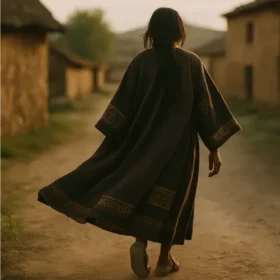
CULTURES AT RISK
When land changes, identity begins to fade.

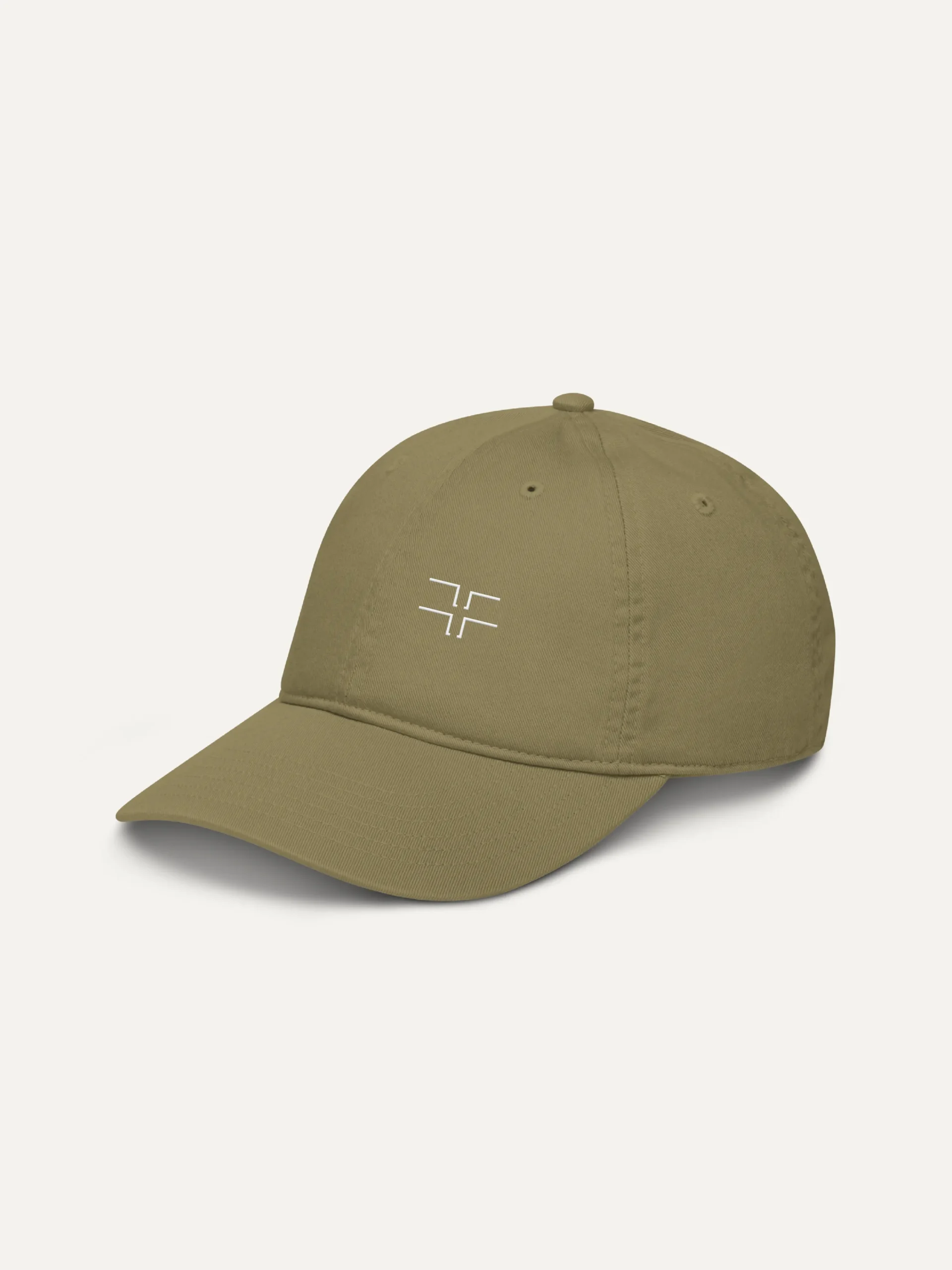
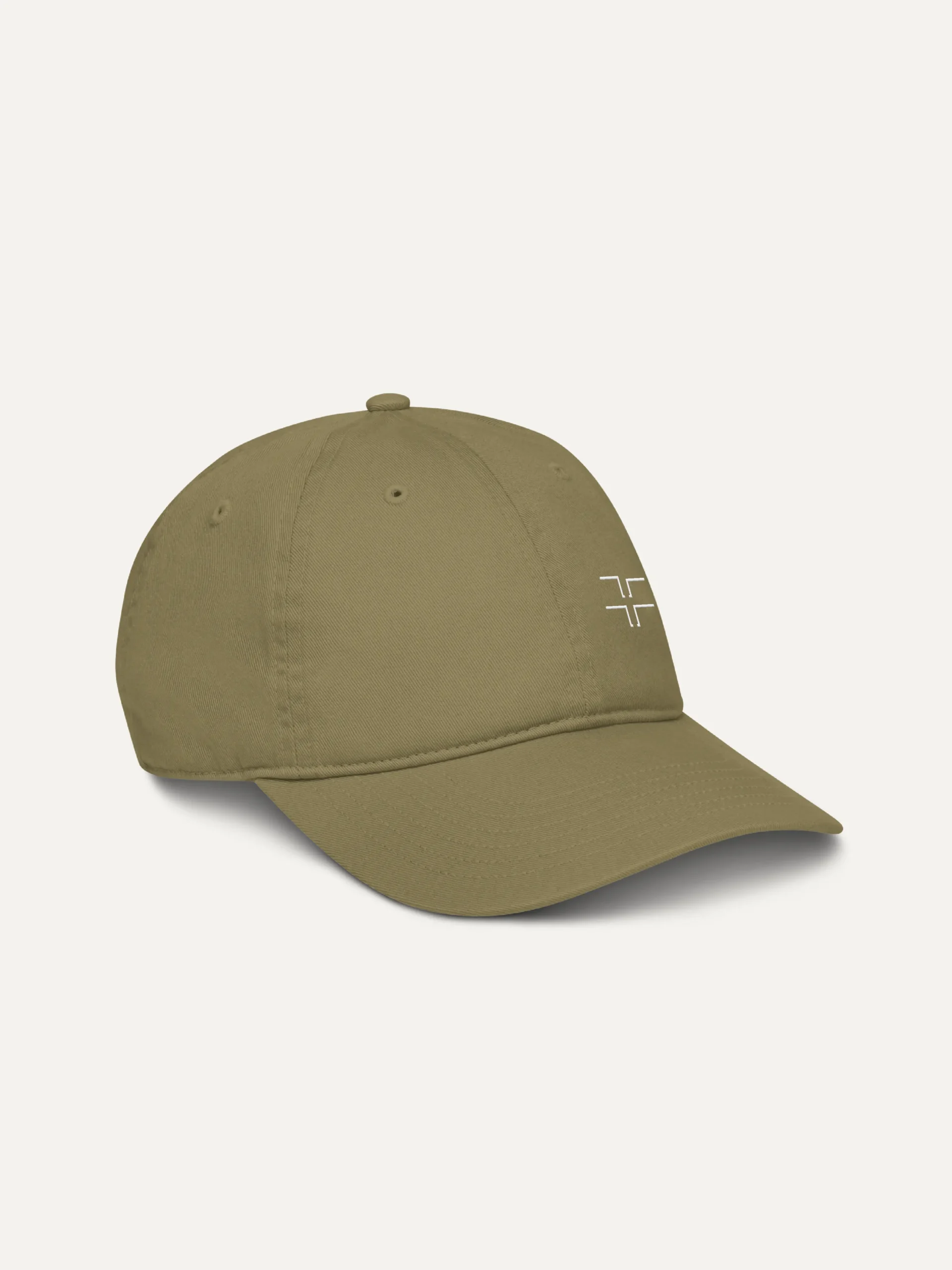



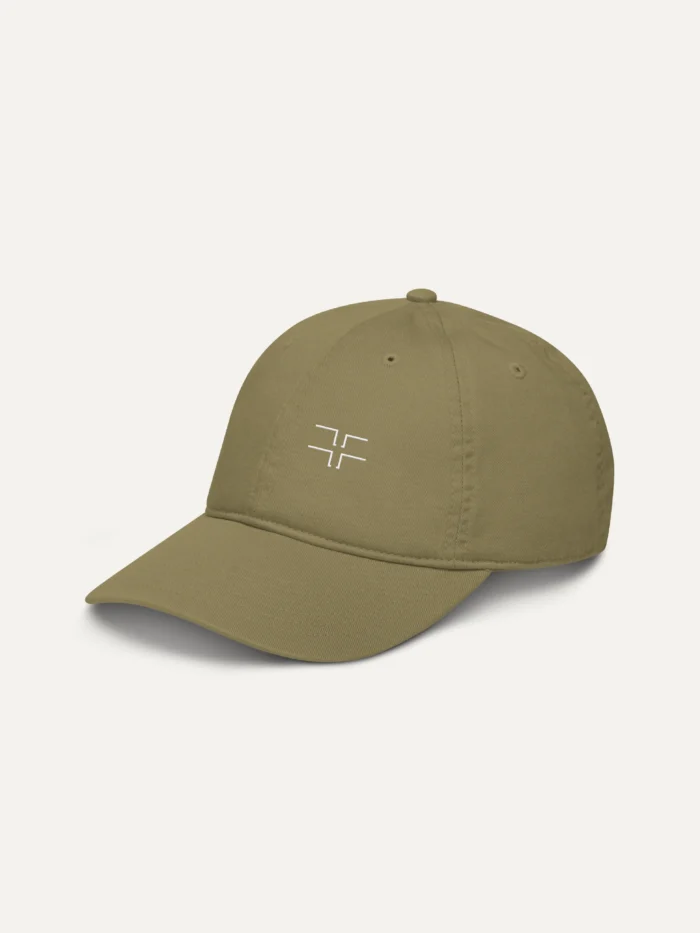
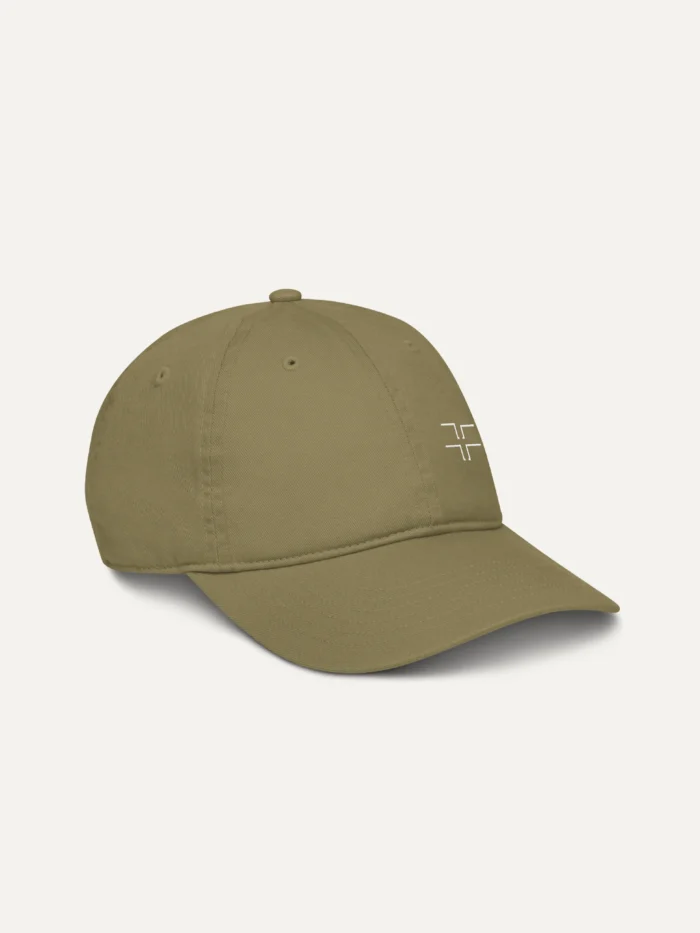


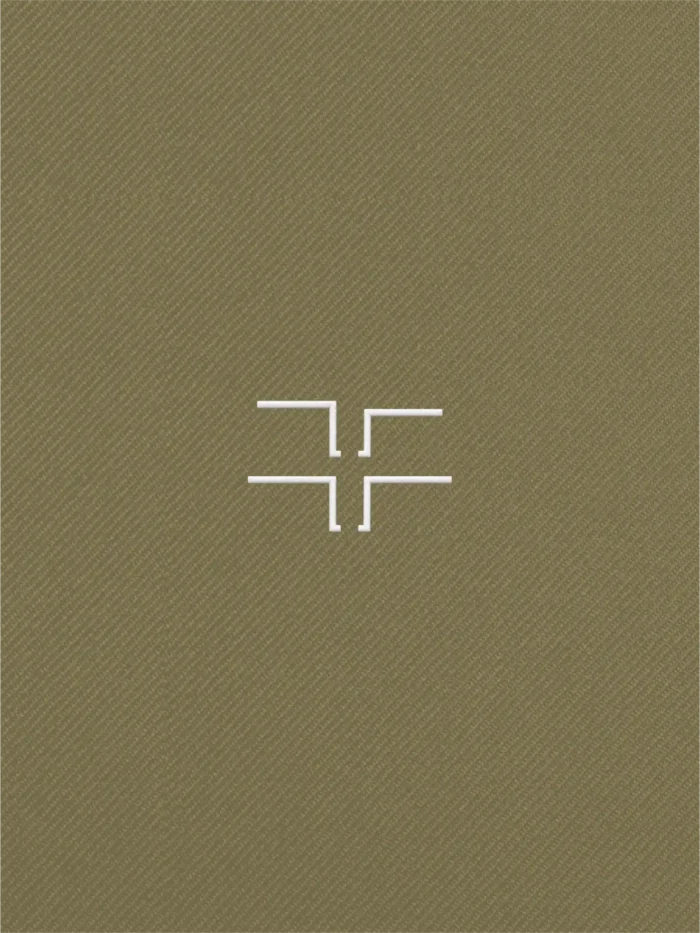
A restrained study of paired learning, shared rhythm and the small corrections through which coordinated making becomes understood over time.
Shared Count is informed by the learning intelligence surrounding Jamdani handloom weaving, focusing not on motifs or textile patterns but on observation, repetition, timing and adjustment within a shared process. For the cap, the wider study is reduced to two compact paired relationships that retain the movement from response to correction.
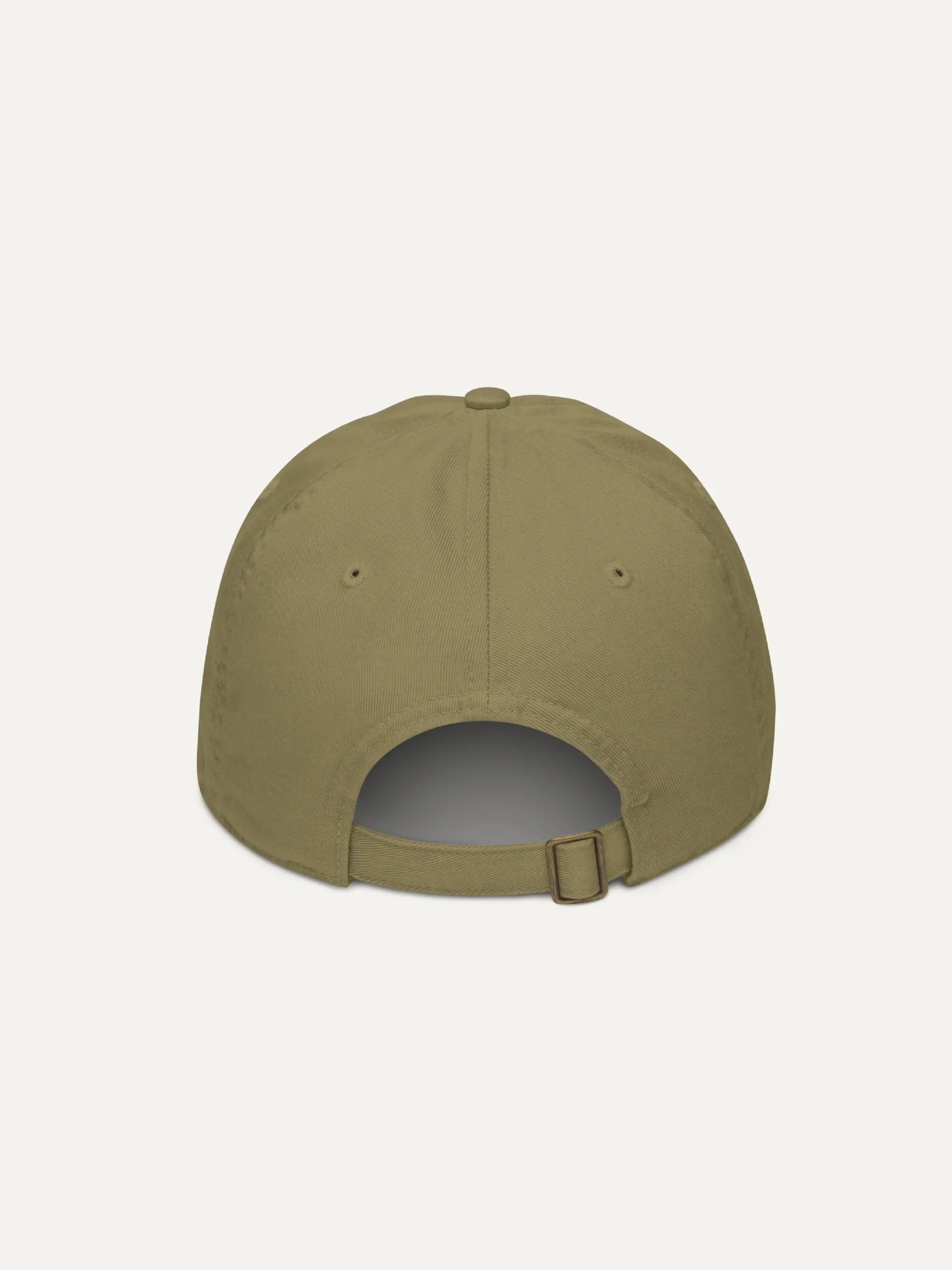
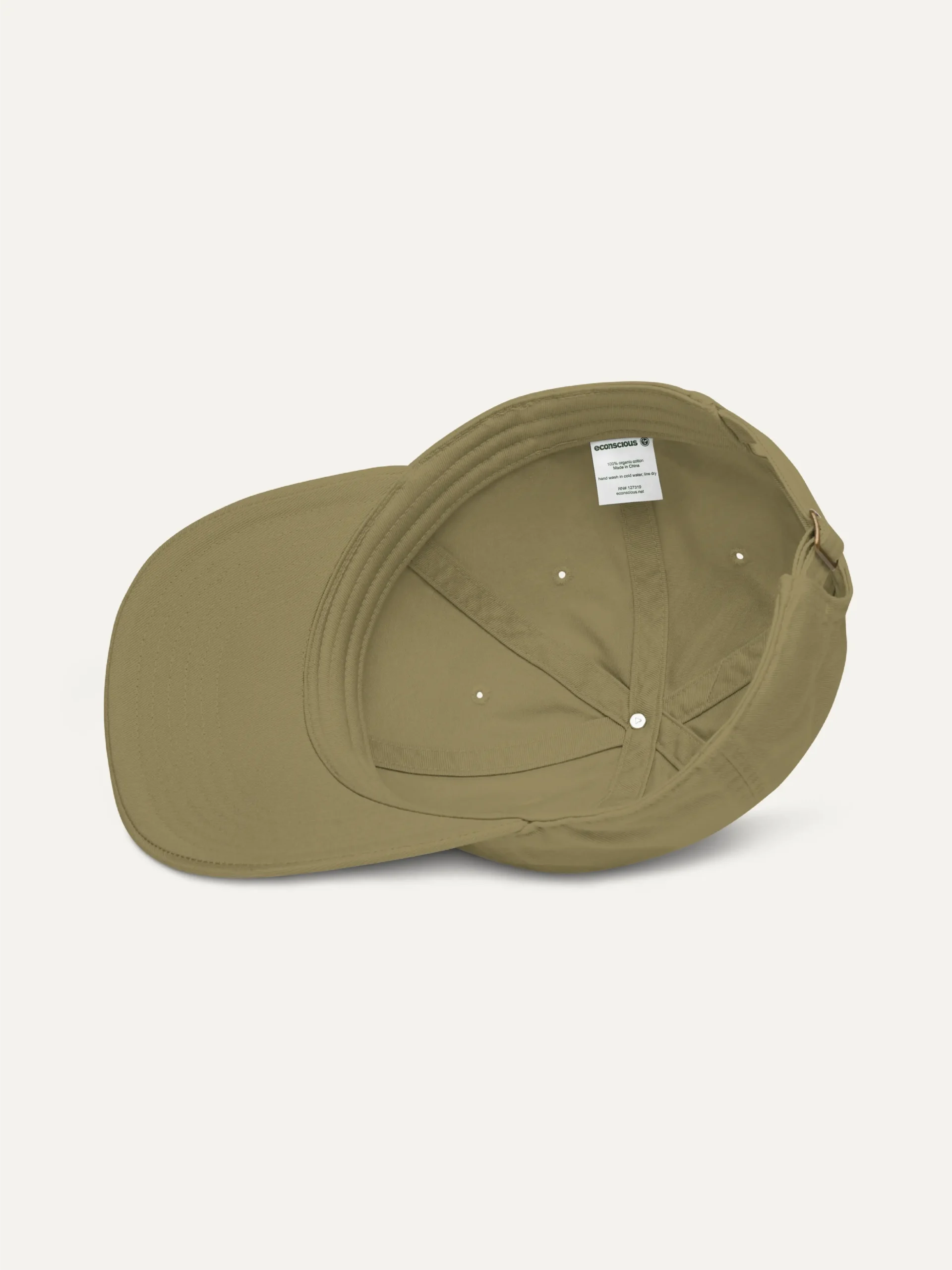
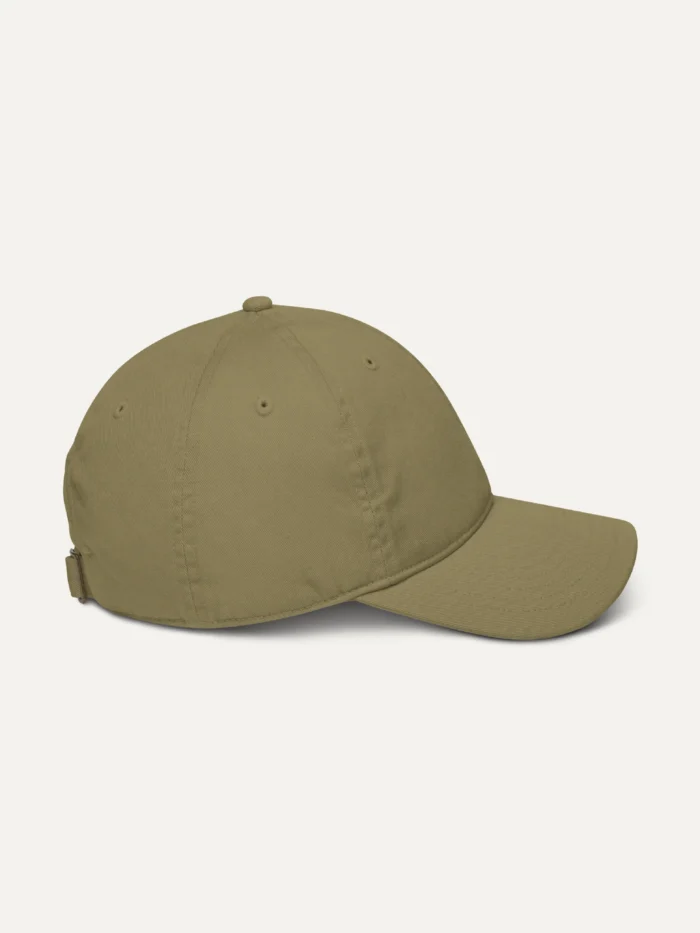
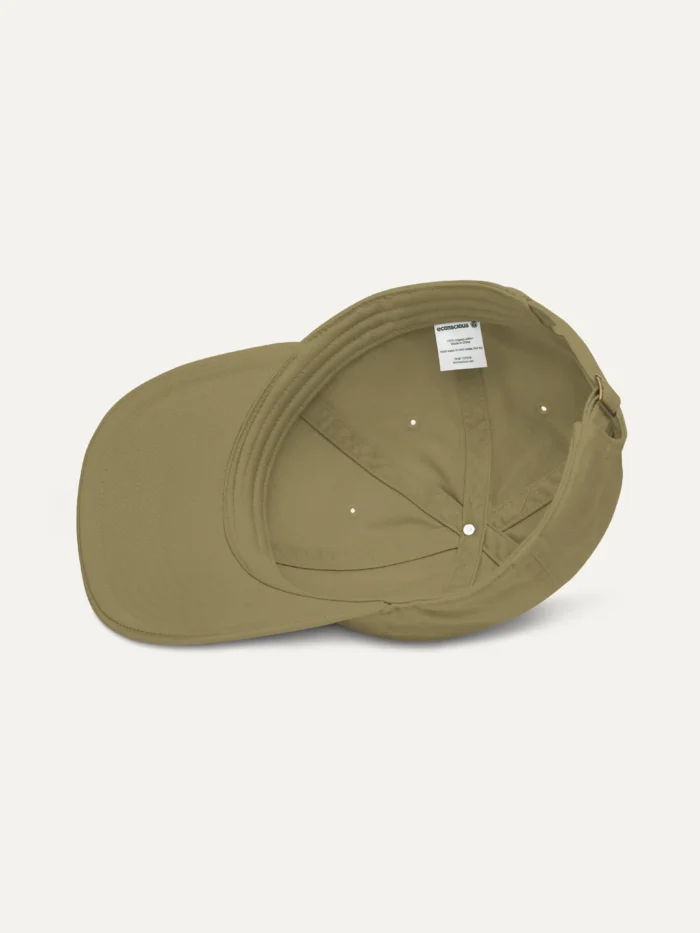
Made from 100% organic cotton twill at 271 g/m², the unstructured cap combines durable construction with an adjustable fit and understated everyday profile.
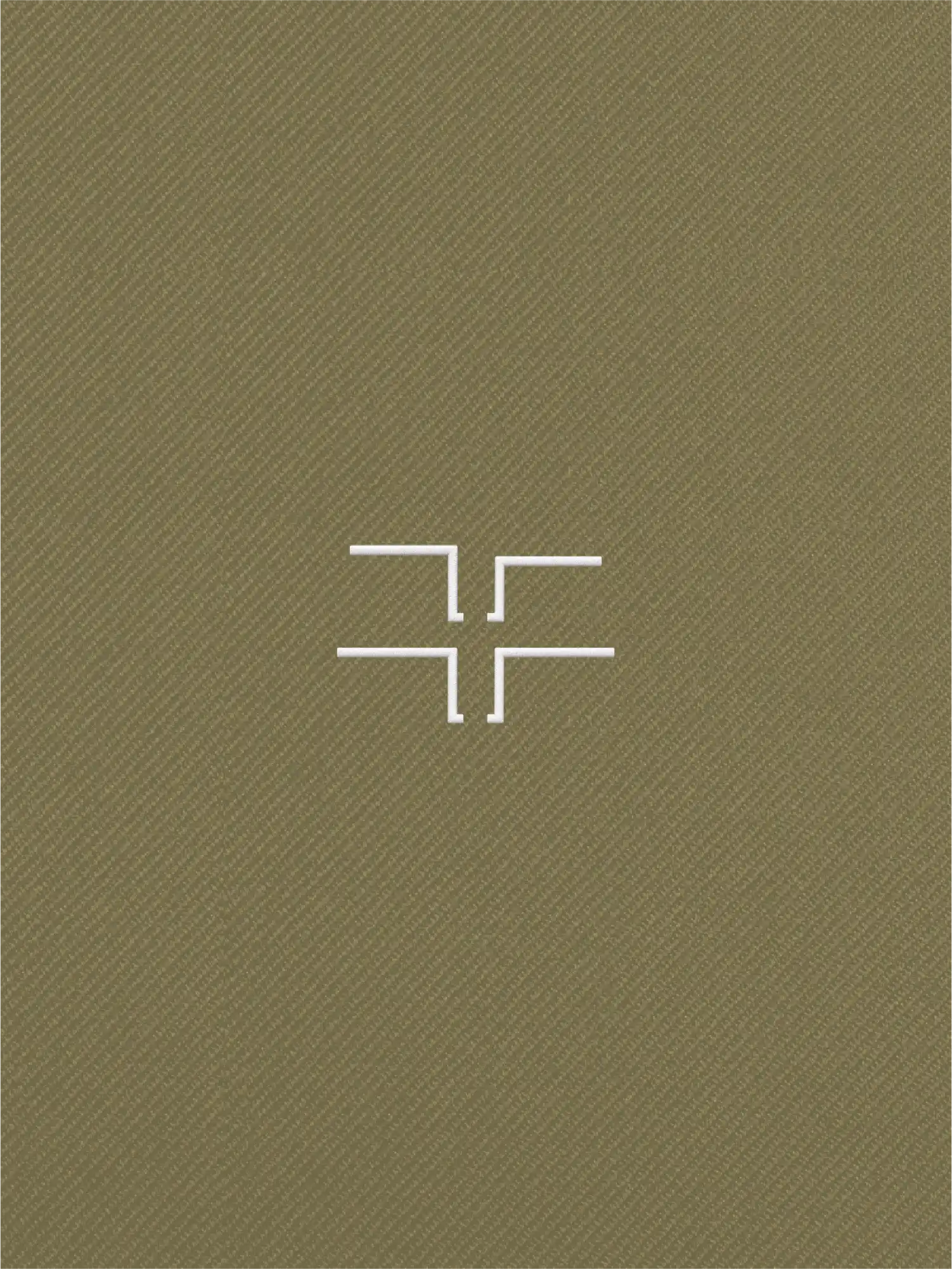
A soft white embroidery appears on the wearer’s left front panel, creating a precise, restrained contrast against the Jungle base.
$49.00
Endangered Art Forms Collection · Hands That Remember
A restrained everyday cap constructed from durable organic cotton twill.
Made from 100% organic cotton at a substantial 271 g/m², the twill fabric provides structure while retaining the softer character of an unstructured cap. Its close diagonal weave creates a clean, tactile surface suited to precise embroidery.
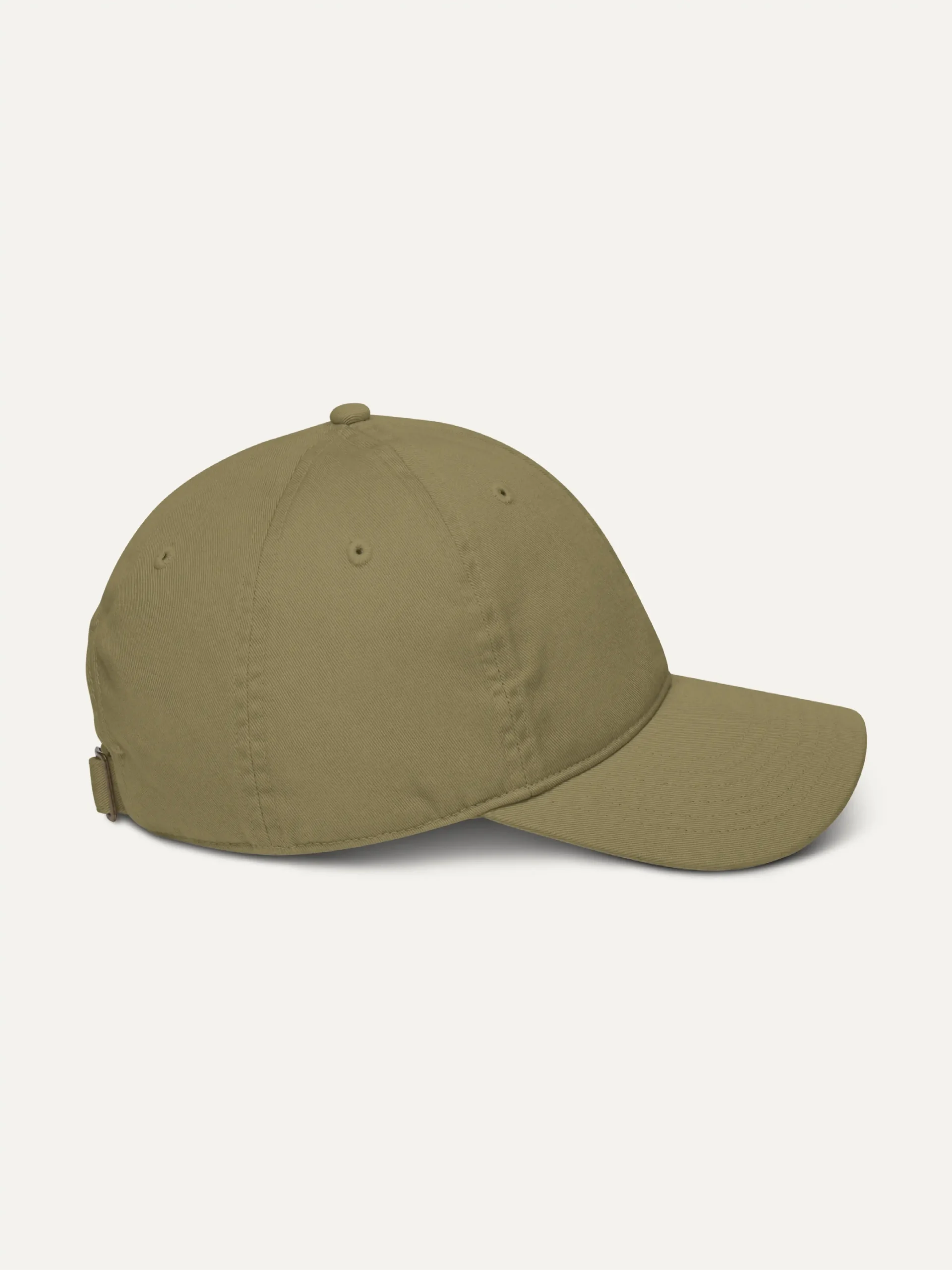
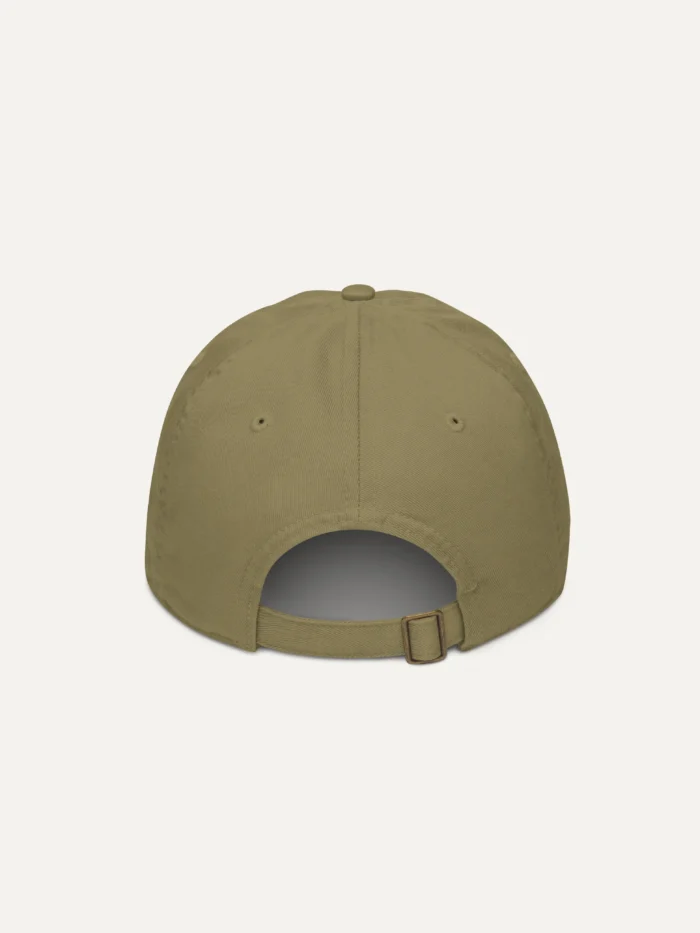
The adjustable rear strap allows the fit to be refined individually, while the curved visor and understated construction maintain a quiet, versatile profile.
Shared Count explores how practical knowledge becomes coordinated between people through observation, repetition and correction.
The work is informed by Jamdani handloom weaving and the forms of close learning through which complex hand skills are gradually understood.
The artwork does not reproduce Jamdani motifs, textile patterns, loom structures or the appearance of finished cloth.
Instead, it focuses on a less visible intelligence within the practice: learning how to recognise timing, respond to another action and gradually establish a shared working rhythm.
Complex hand skills are rarely understood through explanation alone.
One action is observed.
Another responds.
The relationship is repeated.
A difference appears.
It is recognised and adjusted.
Through continued participation, coordination gradually becomes more reliable—not through mechanical duplication, but through increasing awareness of sequence, timing and response.
The complete Shared Count study translates this process into five paired linear relationships separated by a narrow central interval.
Across the sequence, the relationships are deliberately not identical.
An earlier pairing carries a slight misalignment.
Later relationships move toward greater coordination.
The change remains subtle because learning does not arrive through one perfect correction. It develops through repeated participation.
For the cap, this wider system has been deliberately reduced rather than reproduced in full.
Two compact paired relationships remain.
The upper relationship establishes action and response.
The lower relationship repeats the shared structure with a subtle change, preserving the idea of learning through repetition and adjustment.
The fragment is not intended as an independent symbol or logo.
It is an embroidery-scale extraction from the Shared Count system, retaining the essential relationship between two actions while removing the longer horizontal sequences required by the complete artwork.
Positioned on the wearer’s left front panel, the embroidery sits away from the centre seam and works quietly within the architecture of the cap.
Rendered in soft white against the muted Jungle base, the application remains clearly legible while retaining the restrained visual language of the collection.
SHARED COUNT
Paired Learning — Rhythm & Correction System
A minimal system examining how coordinated knowledge develops through repeated participation between people.
Observation begins learning.
Response creates relationship.
Repetition develops rhythm.
Misalignment reveals difference.
Correction restores coordination.
In the complete study, paired lines represent two related actions operating within the same working sequence.
The narrow interval between them preserves distinction.
One action does not simply copy the other.
It observes, responds and adjusts.
An early misalignment records coordination that is not yet fully established.
Later relationships move toward greater resolution without becoming mechanically identical.
For the cap, this logic is condensed into two paired relationships.
The first establishes the shared rule.
The second repeats it with subtle adjustment.
Together, they retain the idea that understanding develops through repeated exchange rather than instantaneous mastery.
Shared Count does not document a Jamdani motif, textile pattern, loom configuration or specific teaching sequence. It is a research-led interpretation of paired learning, timing and correction within a living handloom practice.
An observation of knowledge becoming shared through repeated action.
Designed with a soft, unstructured profile for understated everyday wear.
A reduced two-part Shared Count fragment is embroidered on the wearer’s left front panel.
Two paired relationships sit one above the other, preserving the movement between repetition, response and subtle correction.
Soft white thread creates a clean but restrained contrast against the Jungle base while keeping the fine structural relationships legible at embroidery scale.
Adjustable fit.
Use the rear strap and buckle to refine the circumference for comfortable everyday wear.
Designed to be worn often and kept over time.
This product is made on demand.
Producing only what is ordered helps reduce excess inventory and unnecessary overproduction.
Part of Endangered Art Forms — Hands That Remember, a research-led visual archive examining the internal intelligence of living artistic practices: how material is prepared, tools and bodies are coordinated, sequences are learned, variation is judged, errors are corrected and knowledge is carried through continued practice.
Shared Count is informed by the learning, coordination and repeated correction surrounding Jamdani handloom practice. It does not reproduce Jamdani motifs, textile patterns or culturally specific decorative forms.
The work is presented as an informed, non-literal interpretation rather than documentation of a particular teaching method or weaving sequence.