

FEATURED
—
CLIMATE & NATURE
Landscapes shaped by pressure, loss, and resilience.

RARE SPECIES
A record of life on the edge of disappearance.
CULTURES AT RISK
When land changes, identity begins to fade.
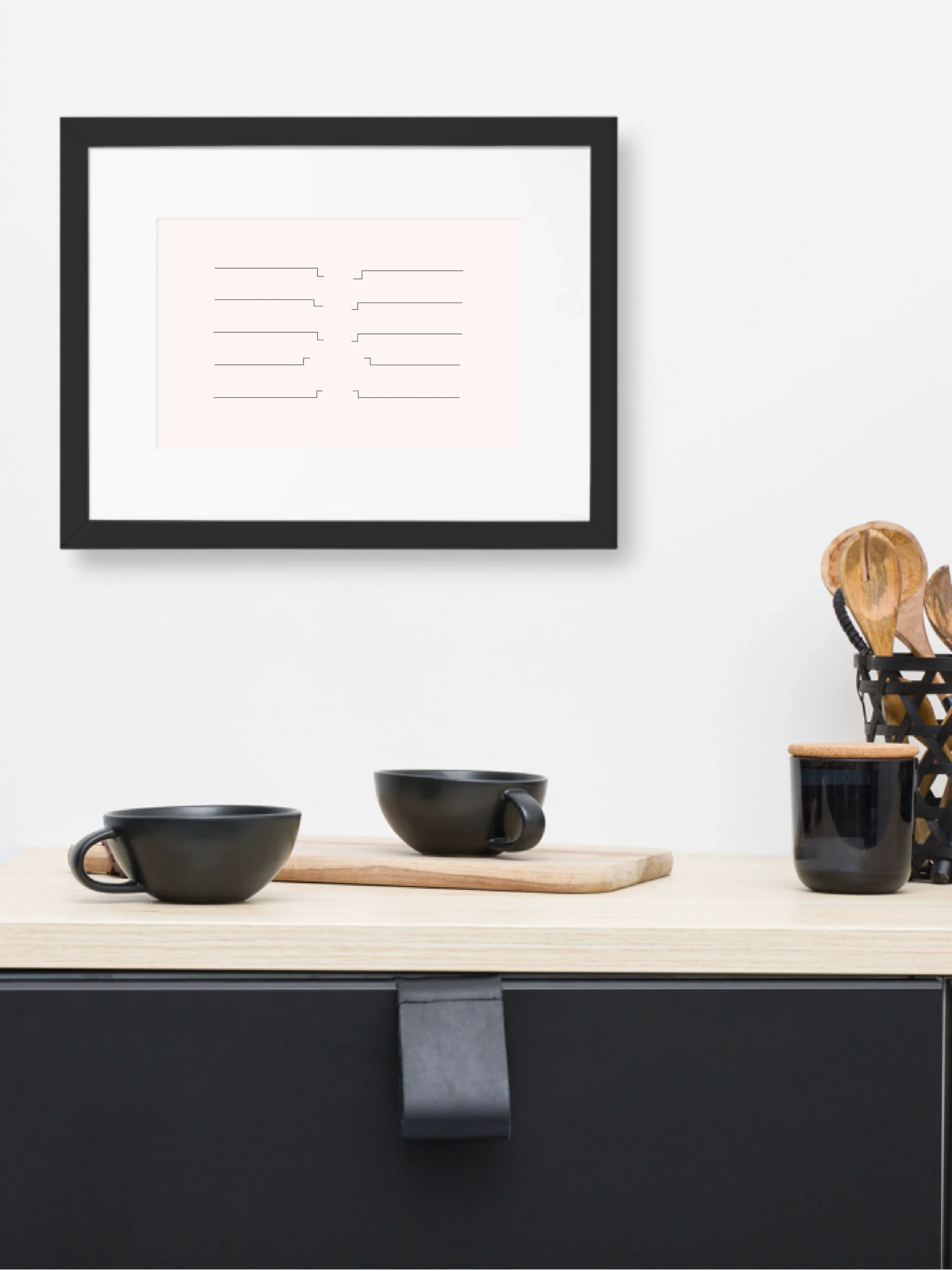
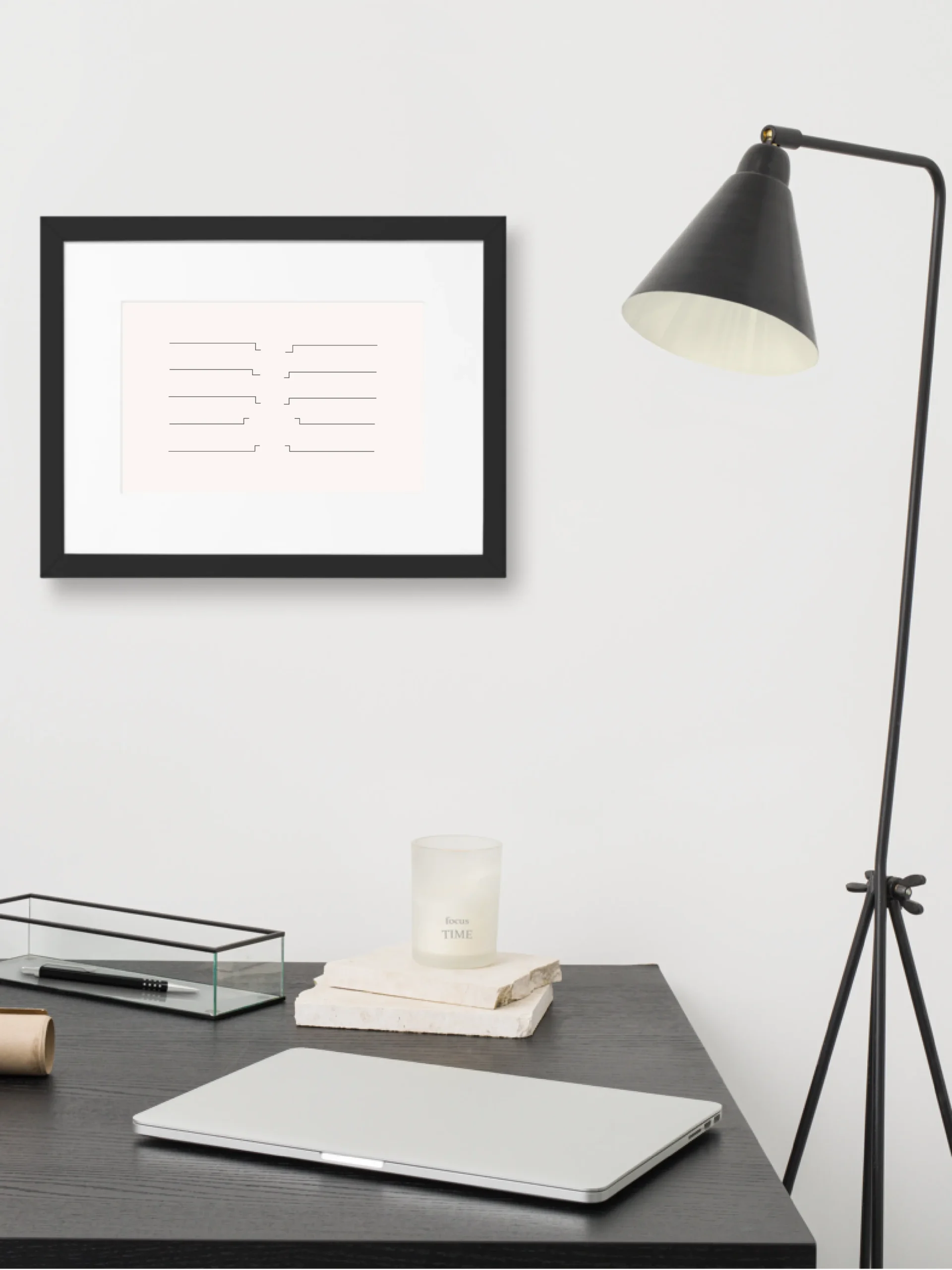
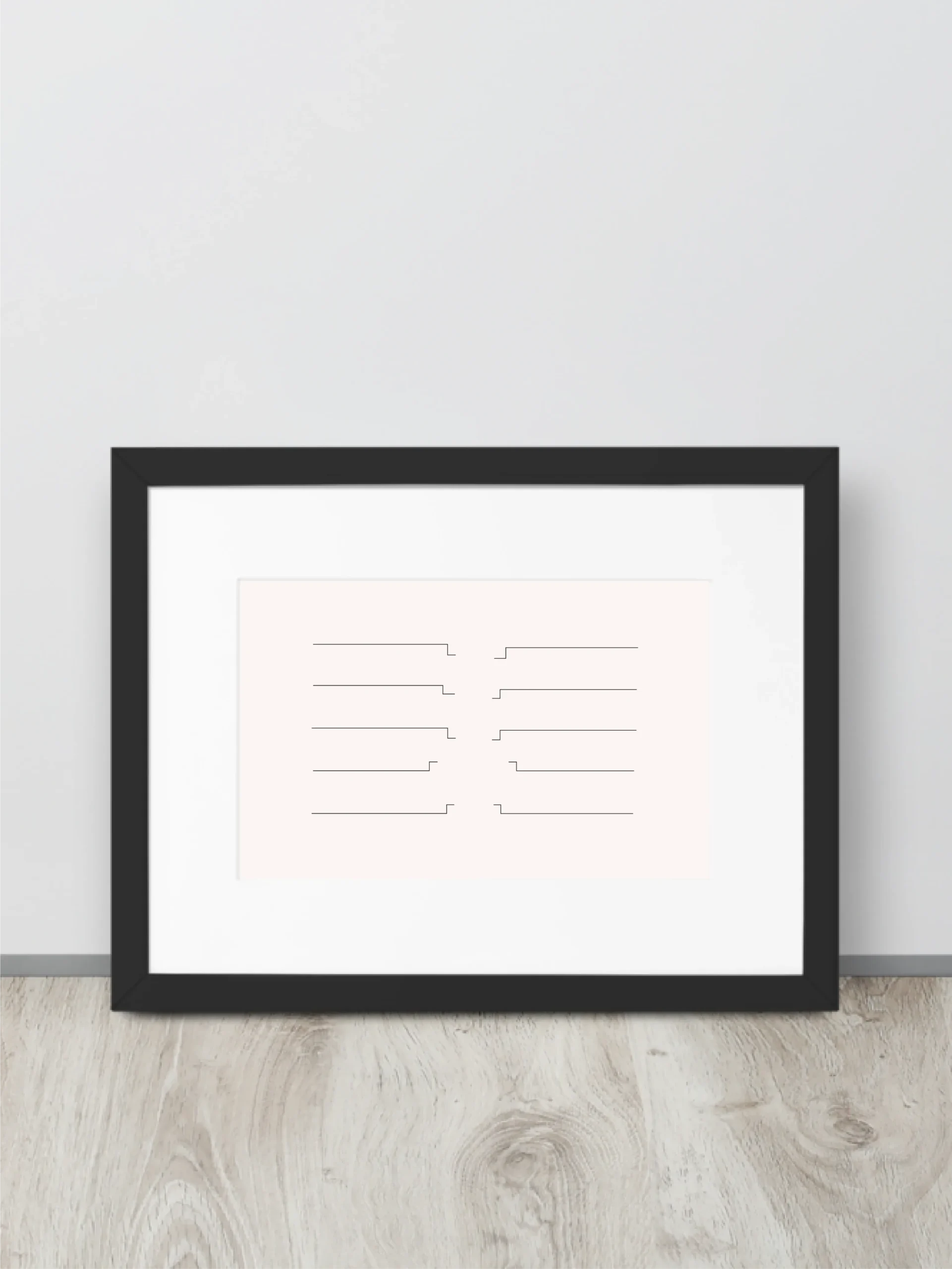
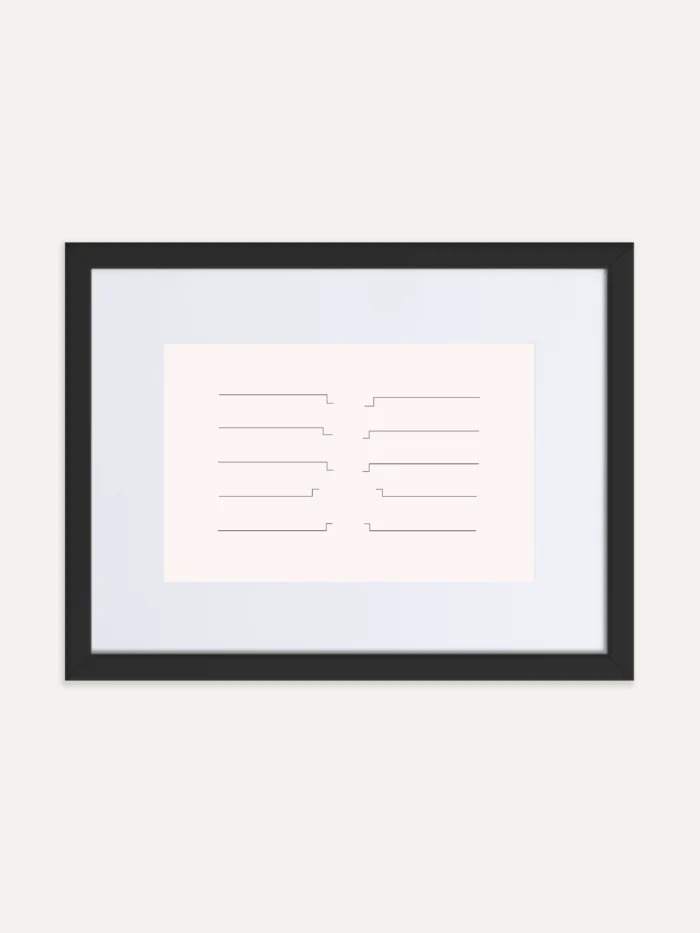
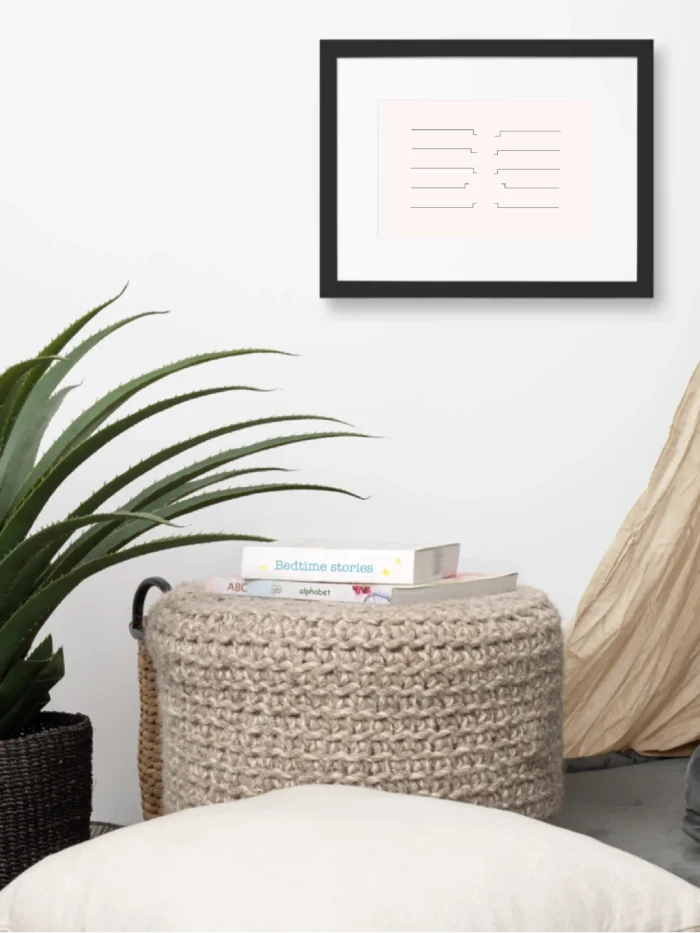
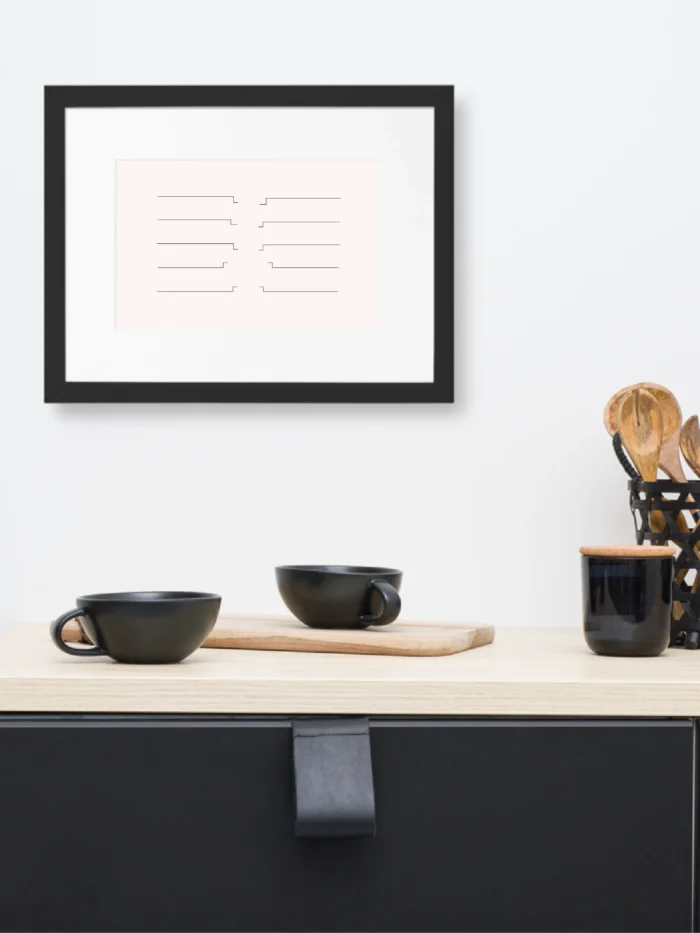
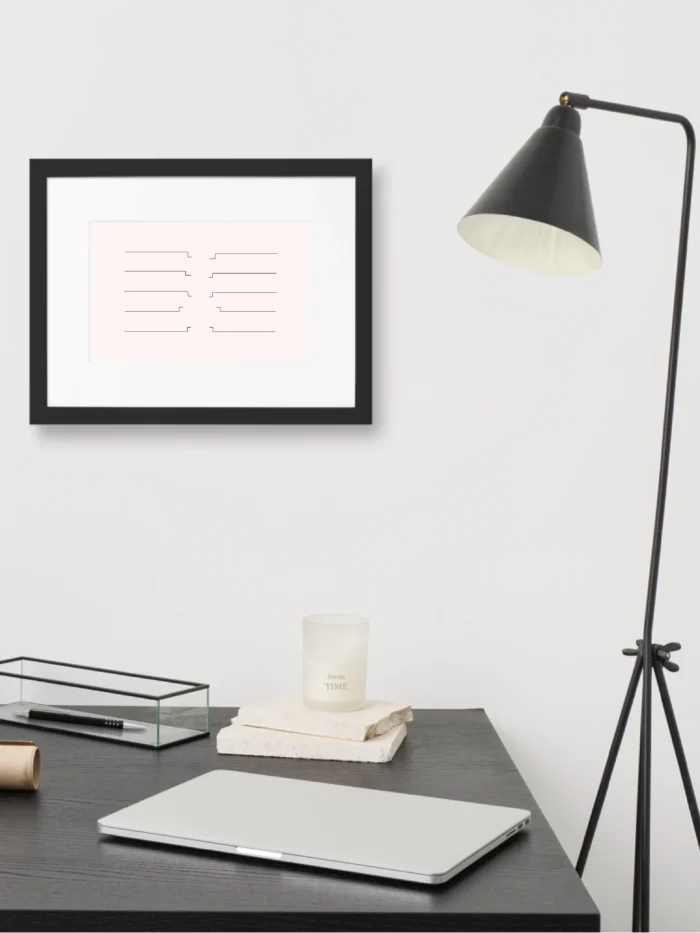
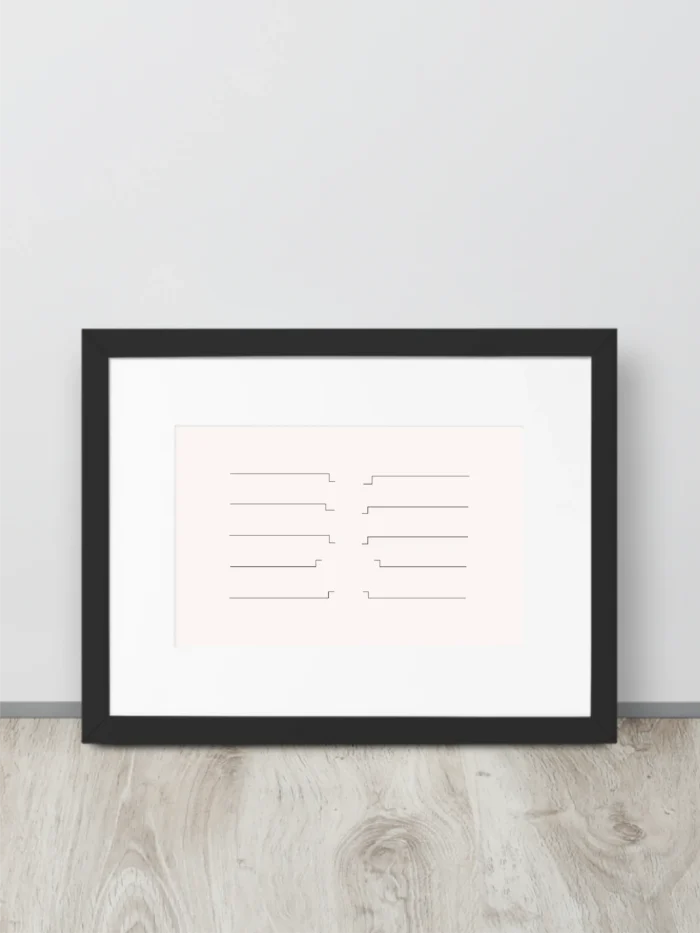
A restrained study of paired learning, shared rhythm and the small corrections through which coordinated making becomes understood over time.
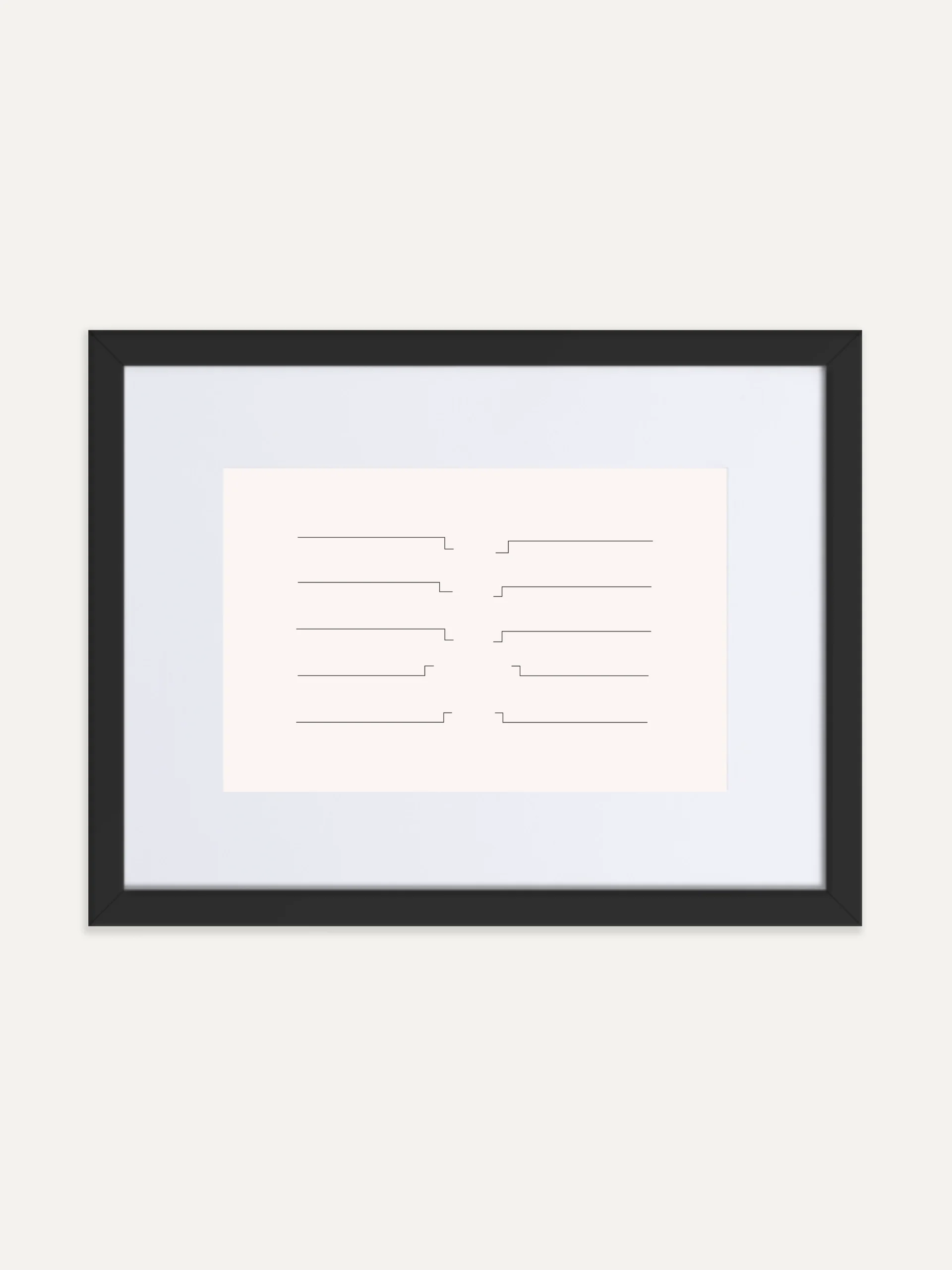
Shared Count is informed by the learning intelligence surrounding Jamdani handloom weaving—not its motifs or visible textile patterns, but the observation, repetition, timing and adjustment through which complex hand skills can be learned. Reduced to five paired linear relationships, the composition moves through alignment, early misjudgement and later correction.
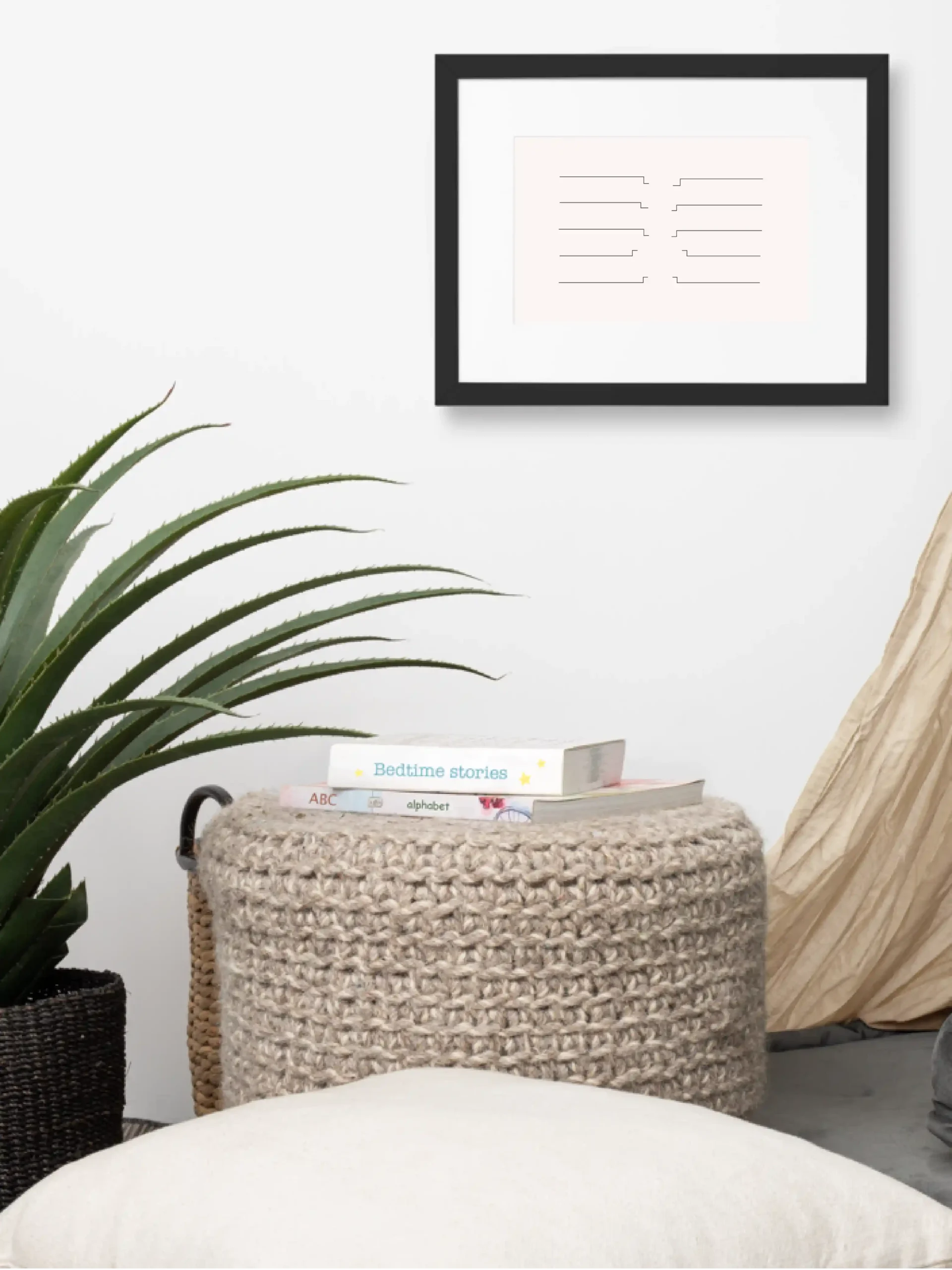
Expressed as a framed wall study for calm, structured interiors.
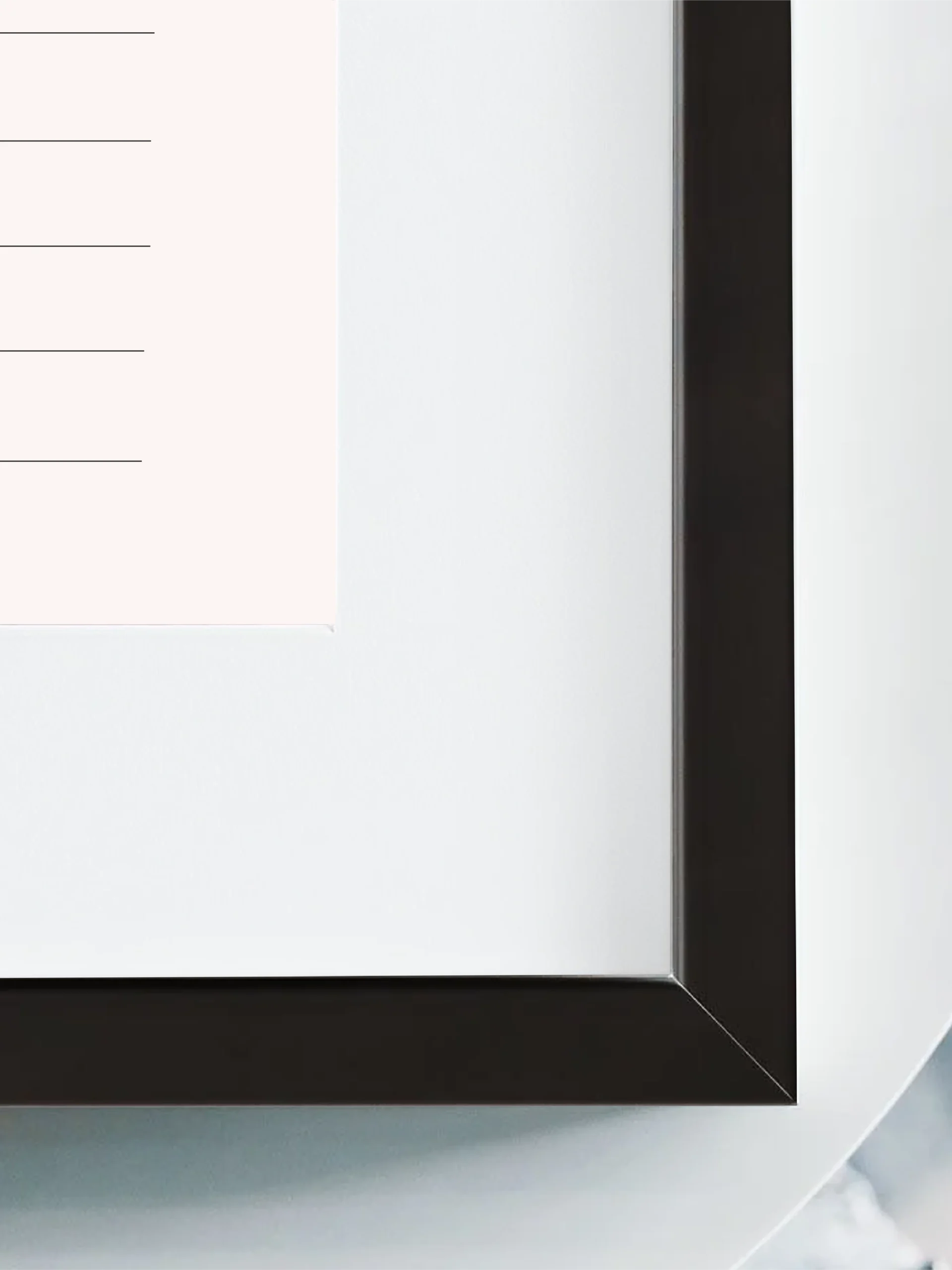
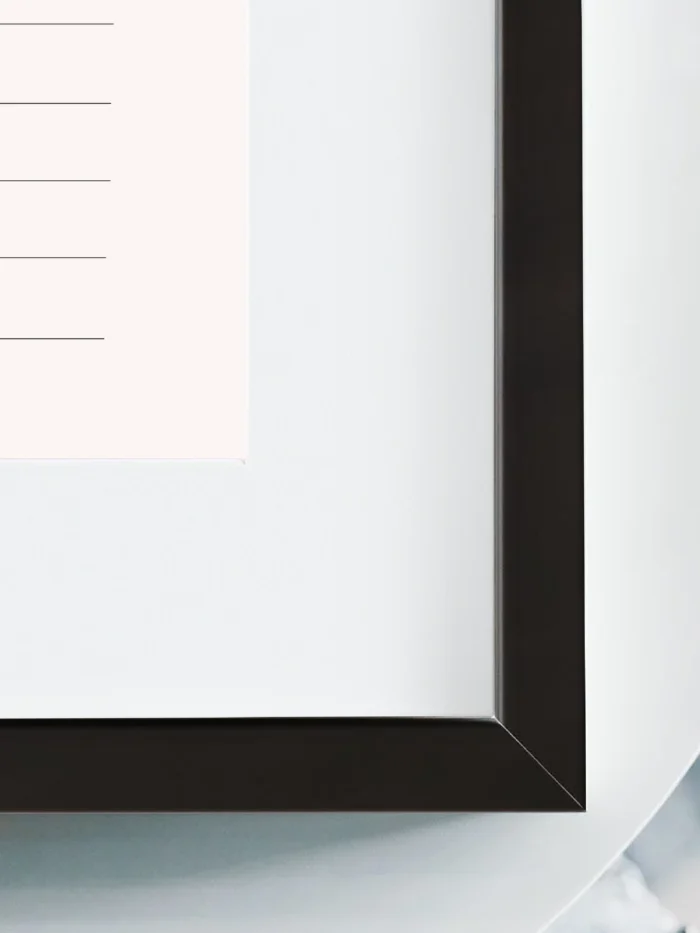
Printed on museum-quality matte paper at 189 g/m² and presented with a white mat board and black ayous wood frame, the work translates the Shared Count system into a quiet architectural presence.
40 × 30 cm · Ready to hang.
$129.00
Endangered Art Forms Collection · Hands That Remember
A minimal study of paired learning, shared rhythm and correction within a living artistic practice.
Shared Count — Study 03 translates the gradual development of coordinated understanding into a restrained horizontal composition.
The work considers how complex practical knowledge can be learned through observation, participation and repeated response—and how small differences in timing can gradually become understood through continued practice.
Reduced to five paired relationships divided by a narrow central interval, the composition records coordination not as immediate agreement, but as something developed over time.
Shared Count explores how practical understanding becomes coordinated between people through observation, repetition and correction.
The work is informed by Jamdani handloom weaving and the forms of close learning through which highly developed hand skills continue across generations of practice.
The artwork does not reproduce Jamdani motifs, textile patterns, loom configurations or the appearance of finished cloth.
Instead, it focuses on a less visible intelligence surrounding the practice: how one action can be observed, answered, repeated and gradually understood in relation to another.
Complex hand skills are rarely absorbed through explanation alone.
An action is observed.
A response follows.
The relationship is repeated.
Timing begins to develop.
A difference becomes apparent.
Adjustment follows.
Through continued participation, coordination becomes increasingly reliable—not because every action becomes mechanically identical, but because the people involved become more attentive to sequence, timing and response.
Shared Count translates this process into five paired linear relationships arranged around a narrow central interval.
Each pair belongs to the same underlying structure, but the relationships are not completely identical.
In an earlier relationship, alignment is slightly unsettled.
The two sides do not meet the shared interval with the same degree of resolution.
This small difference introduces an early moment of misjudgement.
Later relationships become more settled.
A lower pairing moves toward clearer coordination, suggesting correction established through repeated participation rather than imposed perfection.
The progression remains intentionally subtle.
Nothing suddenly transforms.
Understanding accumulates.
The composition therefore treats learning as a process of comparison and adjustment—one action informing another, one attempt modifying the next.
Rendered as fine muted-grey linework within a soft warm-white field, the artwork remains quiet and precise. Generous negative space allows the differences between alignment, misjudgement and correction to emerge through close observation rather than immediate visual impact.
SHARED COUNT
Paired Learning — Rhythm & Correction System
A minimal system examining how coordinated knowledge develops through repeated participation.
Observation begins learning.
Response creates relationship.
Repetition develops rhythm.
Misalignment reveals difference.
Correction restores coordination.
The five paired relationships represent successive moments within a shared process.
The narrow central interval keeps the two sides distinct while allowing them to remain relational.
One side does not simply duplicate the other.
Each responds.
An early misalignment records understanding that is not yet completely established.
Later relationships move toward greater resolution.
The correction is deliberately small because practical learning rarely depends on one dramatic transformation.
It develops incrementally.
Through observation.
Through repetition.
Through comparison.
Through adjustment.
Shared Count does not document a Jamdani motif, textile pattern, loom configuration or specific teaching sequence. It is a research-led interpretation of paired learning, timing and correction surrounding a living handloom practice.
An observation of understanding becoming shared through repeated action.
The landscape orientation reinforces relationship, exchange and measured progression.
Five paired structures establish a quiet horizontal rhythm, while the narrow central interval creates a consistent point of comparison between the two sides.
Subtle differences between the earlier and later relationships prevent the composition from becoming mechanically symmetrical.
Generous negative space allows these changes to remain visible without visual excess.
The white mat board creates breathing space around the artwork, while the black frame establishes a precise architectural boundary.
Designed for considered interiors, the work can sit comfortably within living spaces, studios and work environments without becoming visually dominant.
Printed on museum-quality matte paper using precision water-based inkjet printing to preserve fine-line clarity and restrained tonal variation.
A white mat board surrounds the artwork, creating depth and visual separation.
The black ayous wood frame provides a clean, structured edge aligned with the minimal visual language of Endangered Art Forms.
Ready to hang.
Suitable for interiors that value clarity, structure and a restrained visual language.
Each piece is produced on demand.
Printing only when ordered helps reduce excess inventory and unnecessary material waste.
Part of Endangered Art Forms — Hands That Remember, a research-led visual archive examining the internal intelligence of living artistic practices: how material is prepared, tools and bodies are coordinated, sequences are learned, variation is judged, errors are corrected and knowledge is carried through continued practice.
Shared Count is informed by the learning, coordination and repeated correction surrounding Jamdani handloom practice. It deliberately avoids Jamdani motifs, textile patterns and culturally specific decorative forms.
The work is presented as an informed, non-literal interpretation rather than documentation of a particular teaching method or weaving sequence.