

FEATURED
—
CLIMATE & NATURE
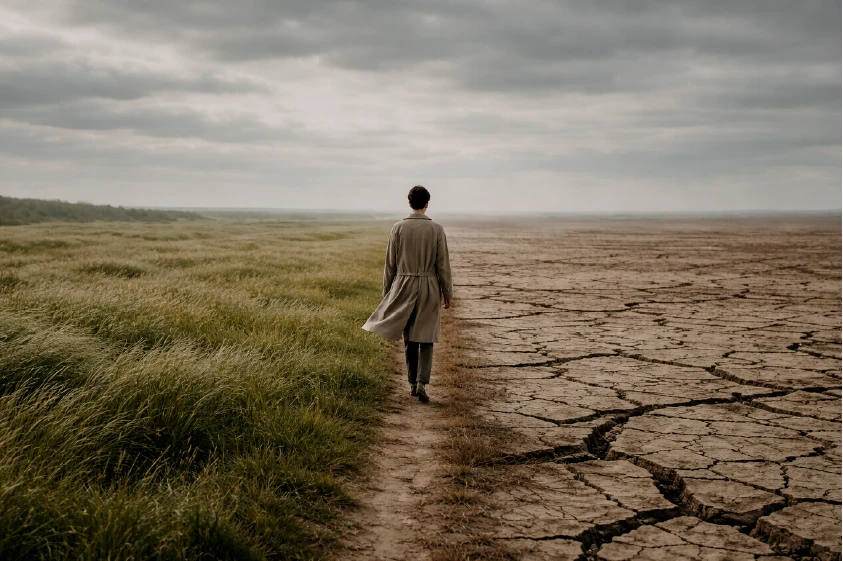
Landscapes shaped by pressure, loss, and resilience.

RARE SPECIES
A record of life on the edge of disappearance.
CULTURES AT RISK
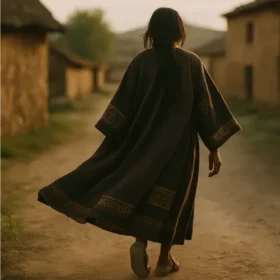
When land changes, identity begins to fade.
Crafts carrying stories across generations.
Some knowledge lives in the movement of hands—in the handling of thread, the rhythm of a loom, and the patience of repeated practice.
Hands That Remember explores traditional weaving as a connection between making, memory, and cultural heritage. It reflects on skills learned through observation and practice, and the importance of passing them on.
At the heart of this story is a question: what happens to the knowledge held in a craft when fewer hands have the opportunity to learn it?
Story context
Theme: Endangered Art Forms & Cultural Heritage
Focus: Traditional weaving, craft knowledge, and learning across generations

Handwoven textiles take shape through time and practice. Knowing how to handle a thread, judge tension, and work a loom involves skills developed through repeated making.
This story reflects on the importance of giving those skills room to continue—to be practised, valued, and shared with someone learning for the first time.
A woven piece holds more than its finished pattern. It carries choices, gestures, and the knowledge of the hands that made it.

Cultural Memory
Hands That Remember invites us to look at woven patterns as traces of learning, memory, and the people who keep a practice alive.
Attention to Material
Thread, texture, tension, and rhythm offer a way to appreciate the decisions involved in making a textile.
Learning Together
The story celebrates the exchange between someone who knows a craft and someone beginning to learn—the observation, repetition, and guidance that connect them.

Imagine keeping a woven piece but losing the knowledge of how it was made—the sequence of movements, the handling of tension, and the choices behind its pattern.
Hands That Remember asks us to consider what future learners could miss when there is no one available to demonstrate, guide, and share a practice.
It is an invitation to value both the finished textile and the opportunities for people to keep learning and making.

At Rabanizz, Hands That Remember offers a starting point for design: the crossing of threads, the rhythm of repeated gestures, and the relationship between material and memory.
These ideas inspire visual studies for clothing and art, inviting a closer look at the knowledge and care involved in making.
Explore Rabanizz clothing and art inspired by the themes of Hands That Remember: thread, rhythm, material, and knowledge shared through practice.
These designs translate the story into visual marks and compositions, offering another way to reflect on the relationship between making and memory.

A study of thread preparation, tension, and the structure of making.
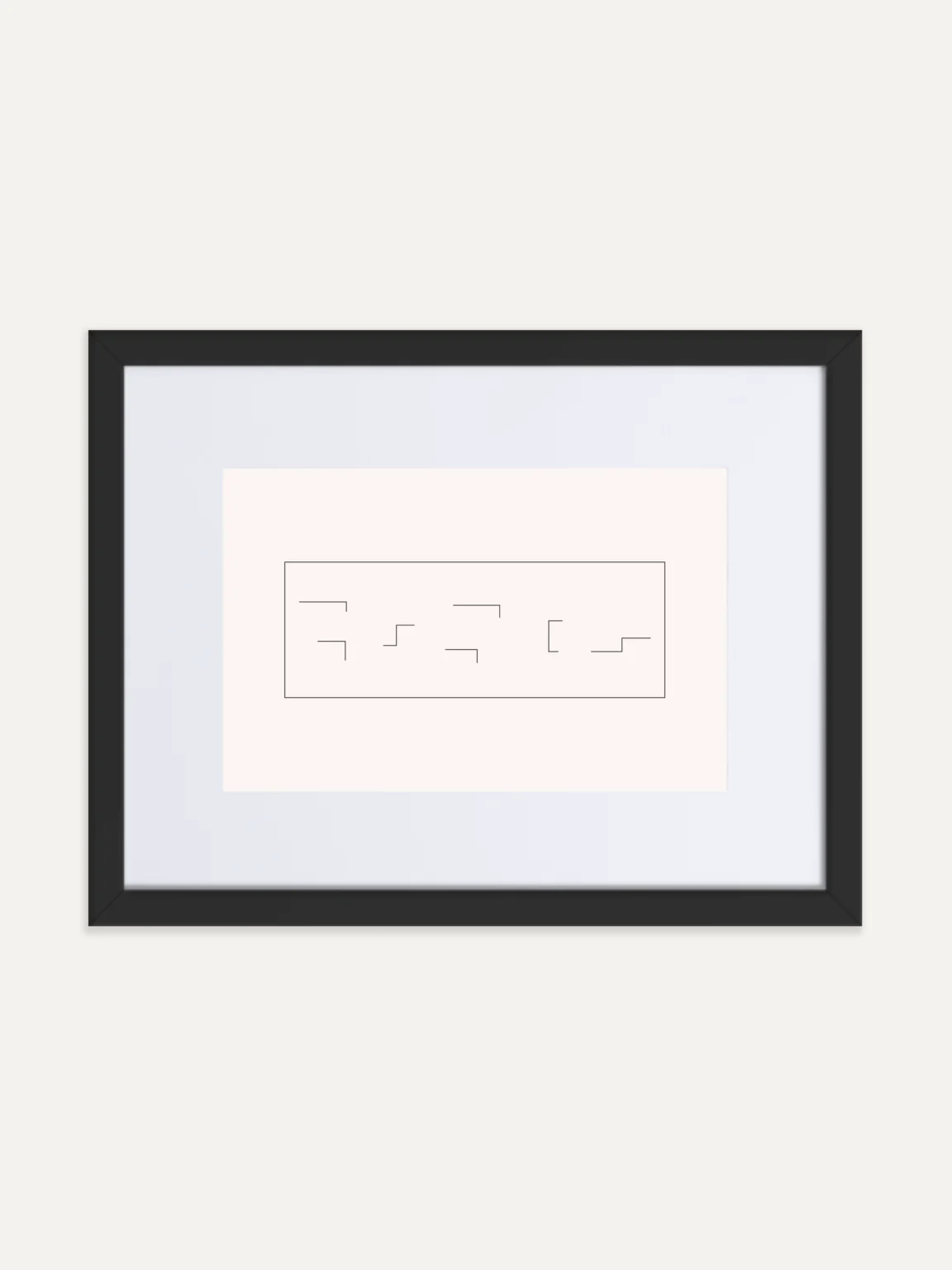
A study of placement, repetition, and choices that shape a larger whole.

An exploration of controlled tension and the gestures behind weaving.

A reflection on shared rhythm and knowledge learned through practice.
Continue exploring Endangered Art Forms through clothing, headwear, and art inspired by the gestures, rhythms, and knowledge of making.