FEATURED
—
CLIMATE & NATURE
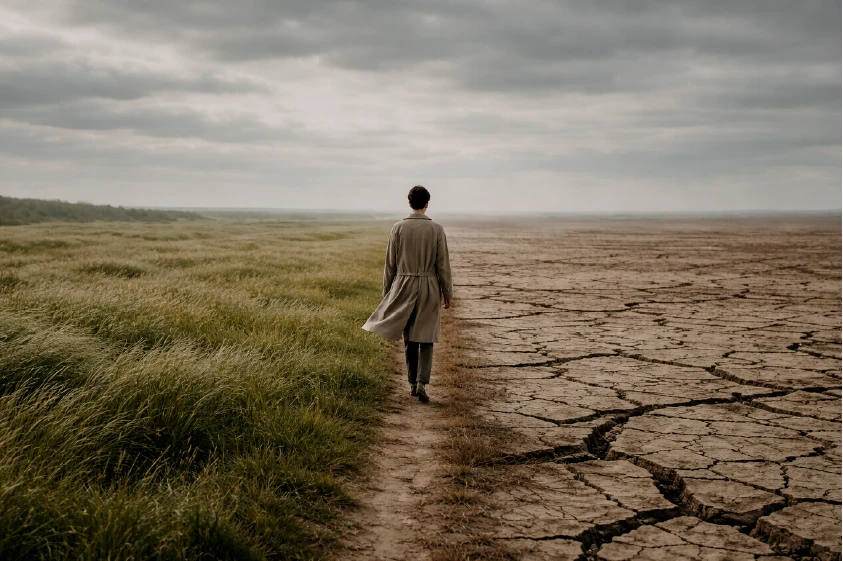
Landscapes shaped by pressure, loss, and resilience.
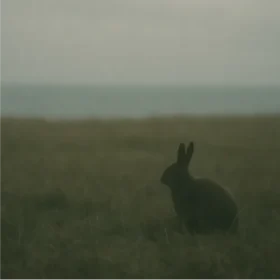
RARE SPECIES
A record of life on the edge of disappearance.
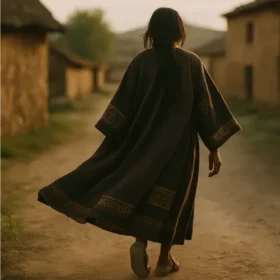
CULTURES AT RISK
When land changes, identity begins to fade.
Knowledge lives through place, practice, and people.
A familiar path. The feel of a material. A seasonal sign someone has learned to notice.
Cultural knowledge can live in ordinary actions: knowing when to begin, how to handle something, and whom to learn from. Its continuity depends on opportunities to return, practise, and share.
When Nature Fades explores what happens when those opportunities become uncertain. Through three connected design studies, Rabanizz reflects on changing natural rhythms, material familiarity, and memory moving between generations.
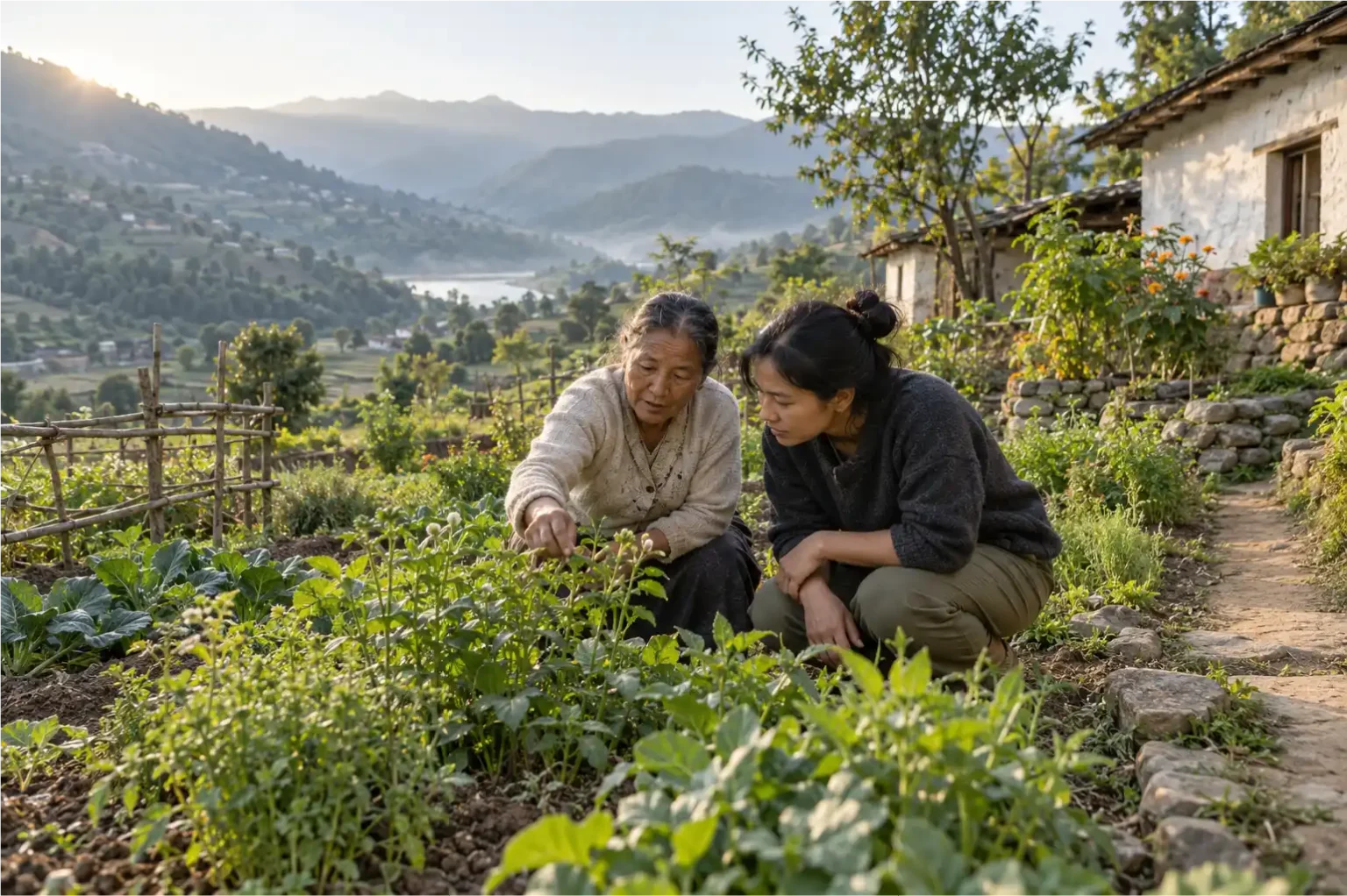
Knowing a place means noticing its changes.
A flowering plant, the condition of the soil, or the arrival of rain can become a familiar point of reference. Over time, observation gives these moments meaning.
But what happens when an expected sign arrives late—or fails to arrive?
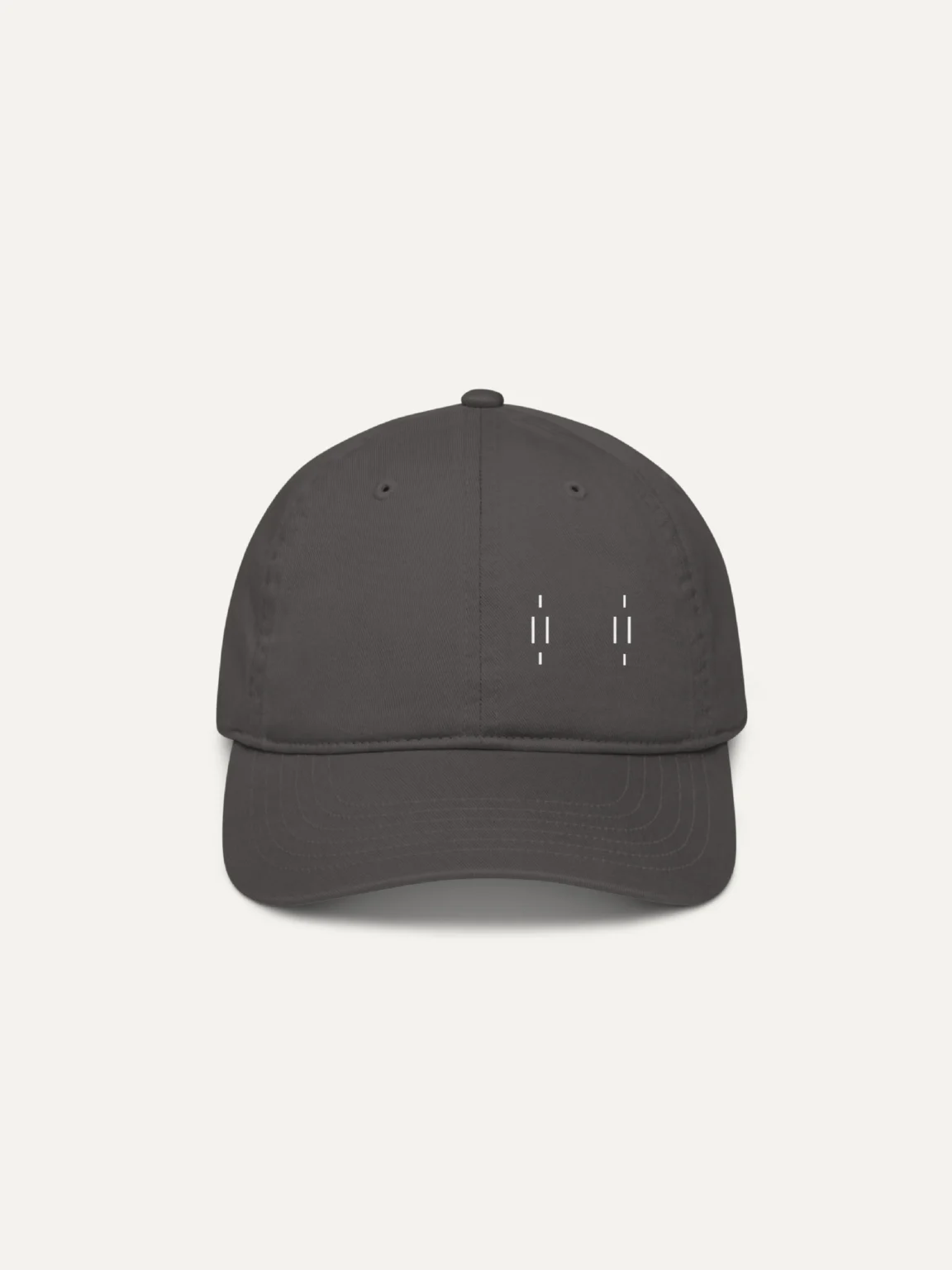
Seasonal Index begins with this question. Its measured indicators gradually become uneven, leaving gaps and shifting away from their earlier rhythm.
The design holds the tension between remembered timing and present uncertainty: knowing what to look for, while learning to look again.
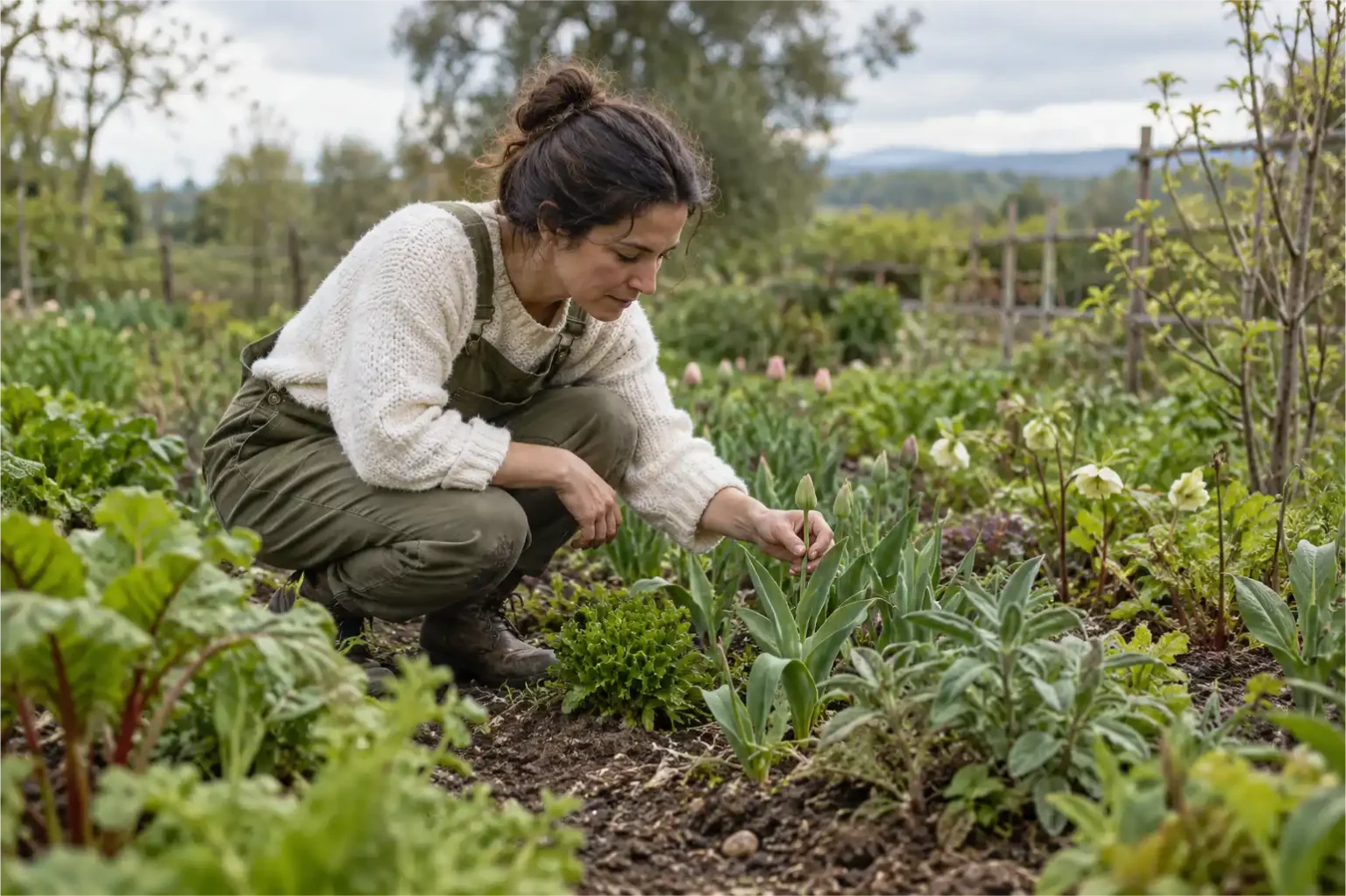
A material becomes familiar through use.
Hands learn how a fibre bends, how a surface responds, and how much pressure an action requires. These small judgements grow through attention and repeated contact.
When opportunities to gather, prepare, or work with a material narrow, the knowledge connected to it can become harder to practise.
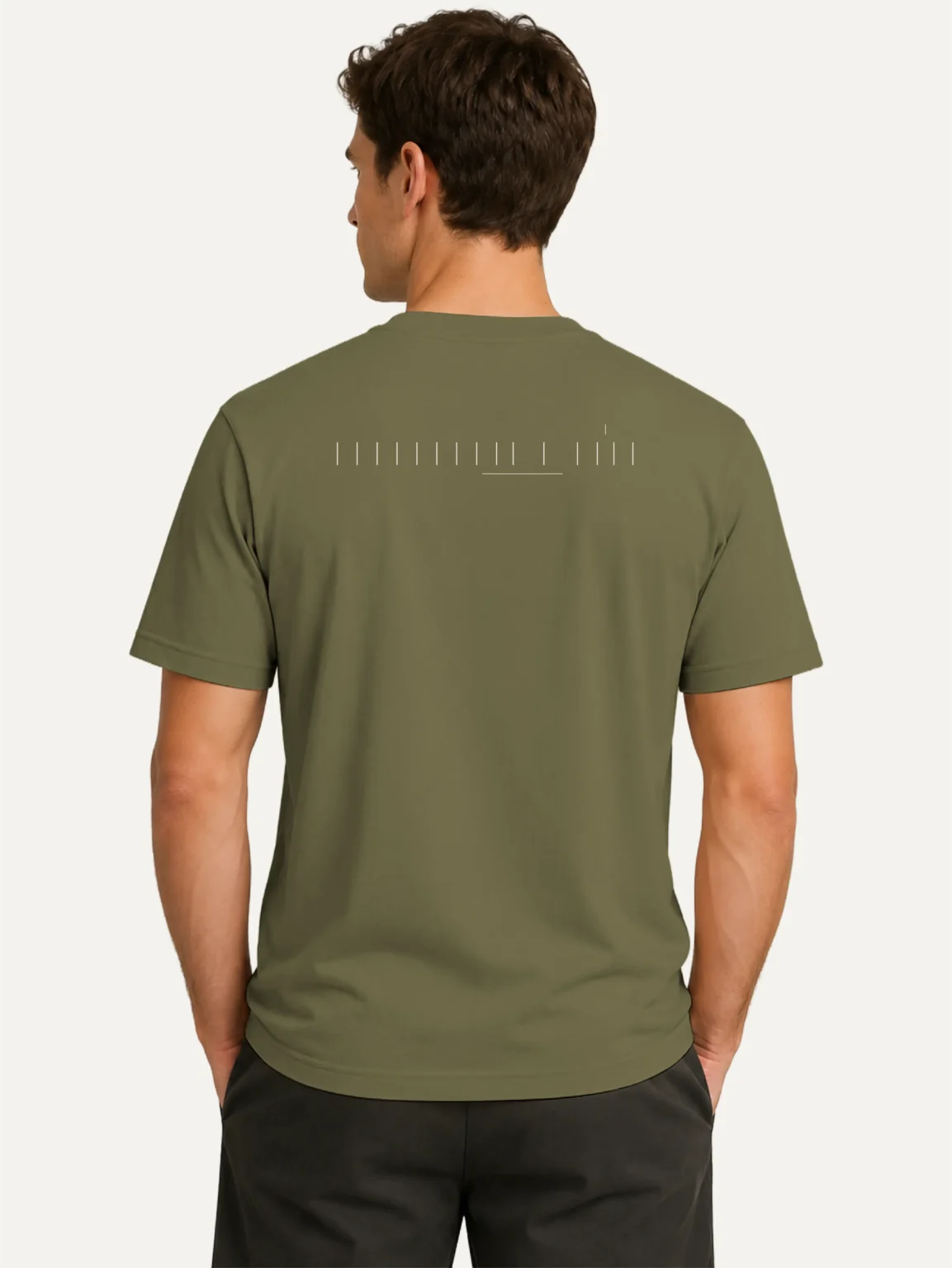
Material Lineage explores this relationship through parallel lines that fade, stop, and reconnect. A small join suggests an effort to continue across an interruption.
What remains is a trace of familiarity—and the work required to sustain it.
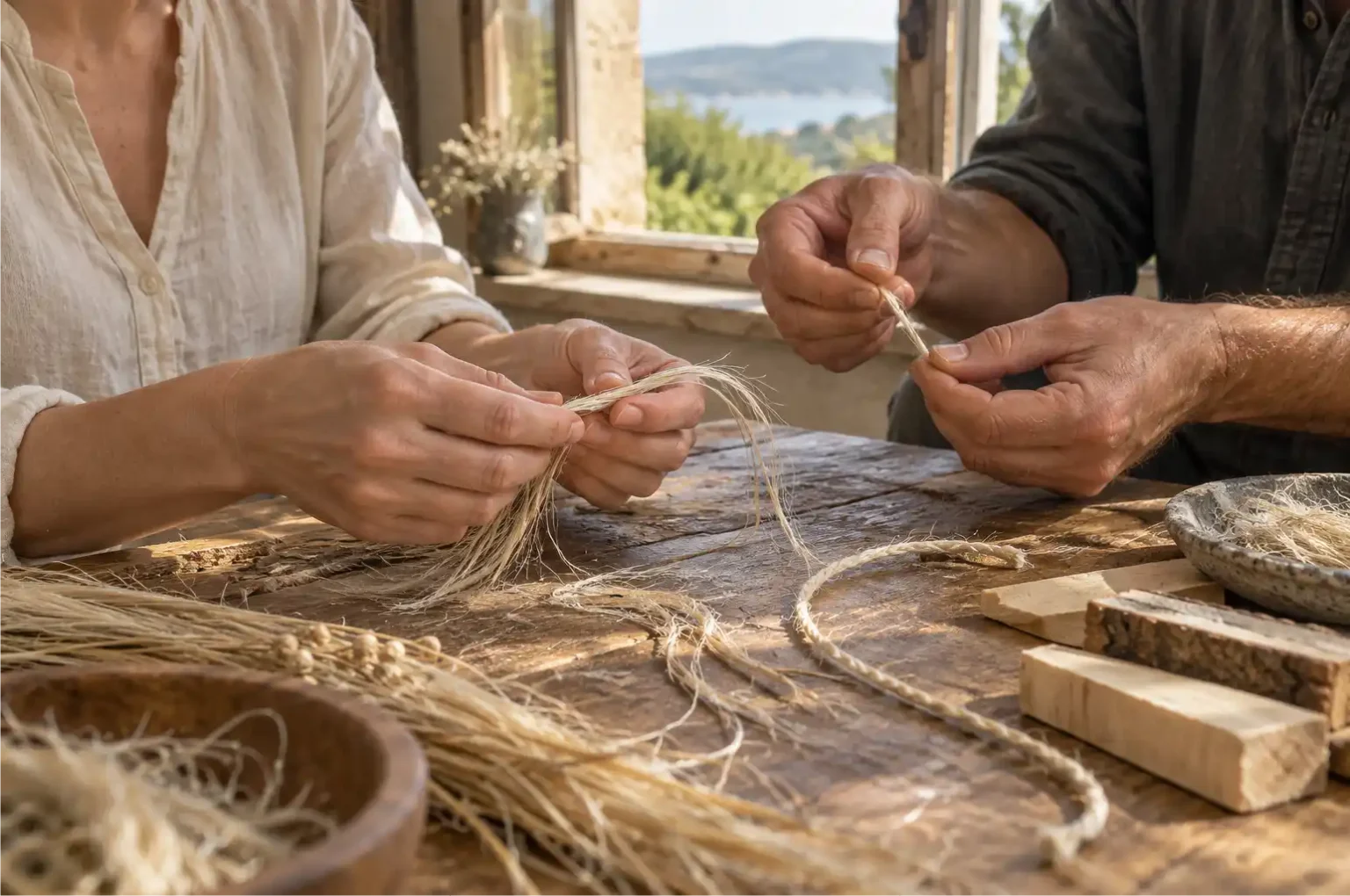
Someone demonstrates. Another person watches, tries, and asks.
A movement is corrected. A detail is noticed. Understanding develops between people before it becomes something a learner can carry independently.
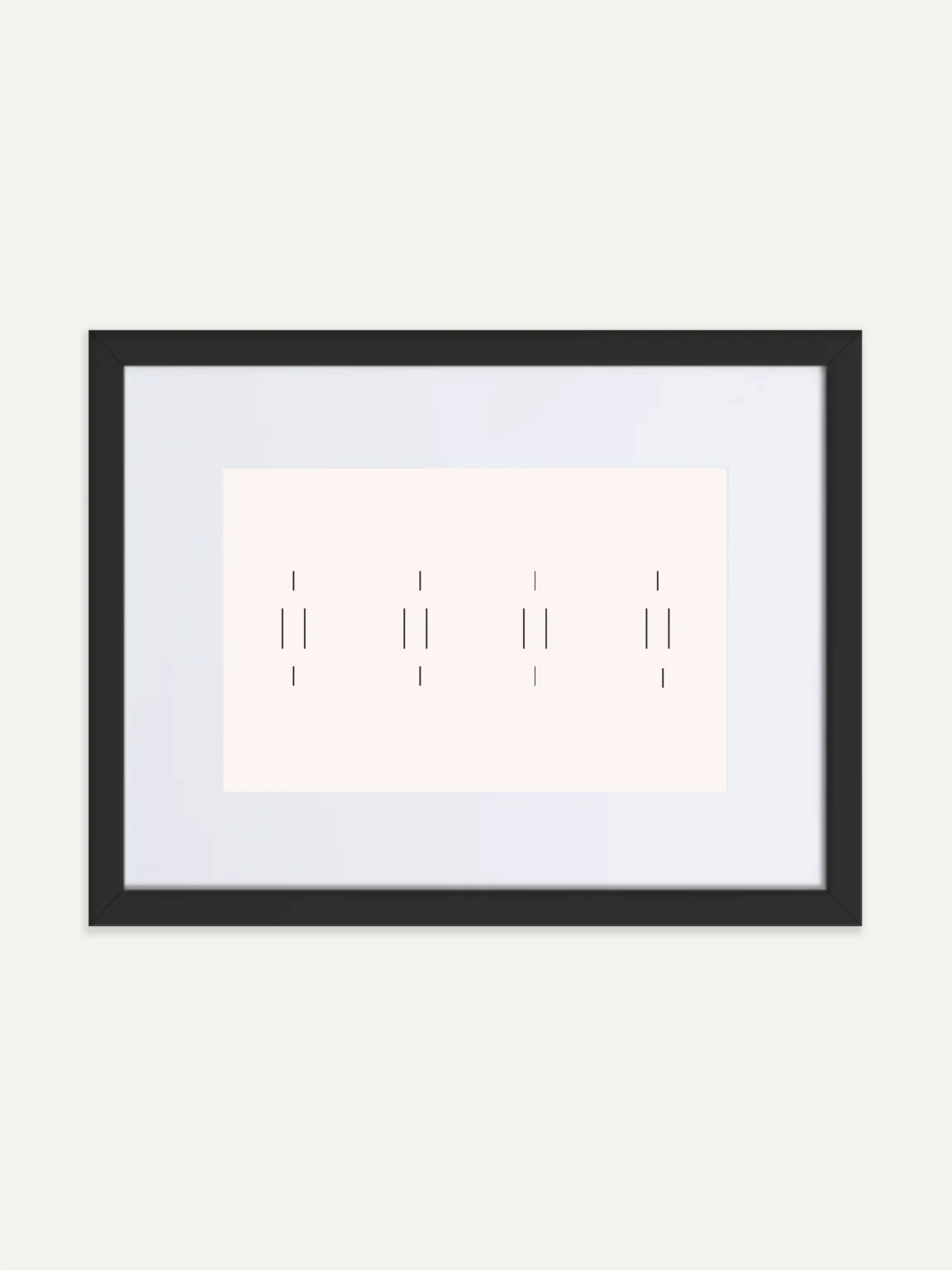
Memory Relay reflects on these moments of exchange. Individual and paired marks suggest knowledge being held, shared, and taken forward.
Continuity needs opportunities for people to spend time together. It also leaves room for the next person to adapt what they have learned.
A living tradition carries both remembrance and change.
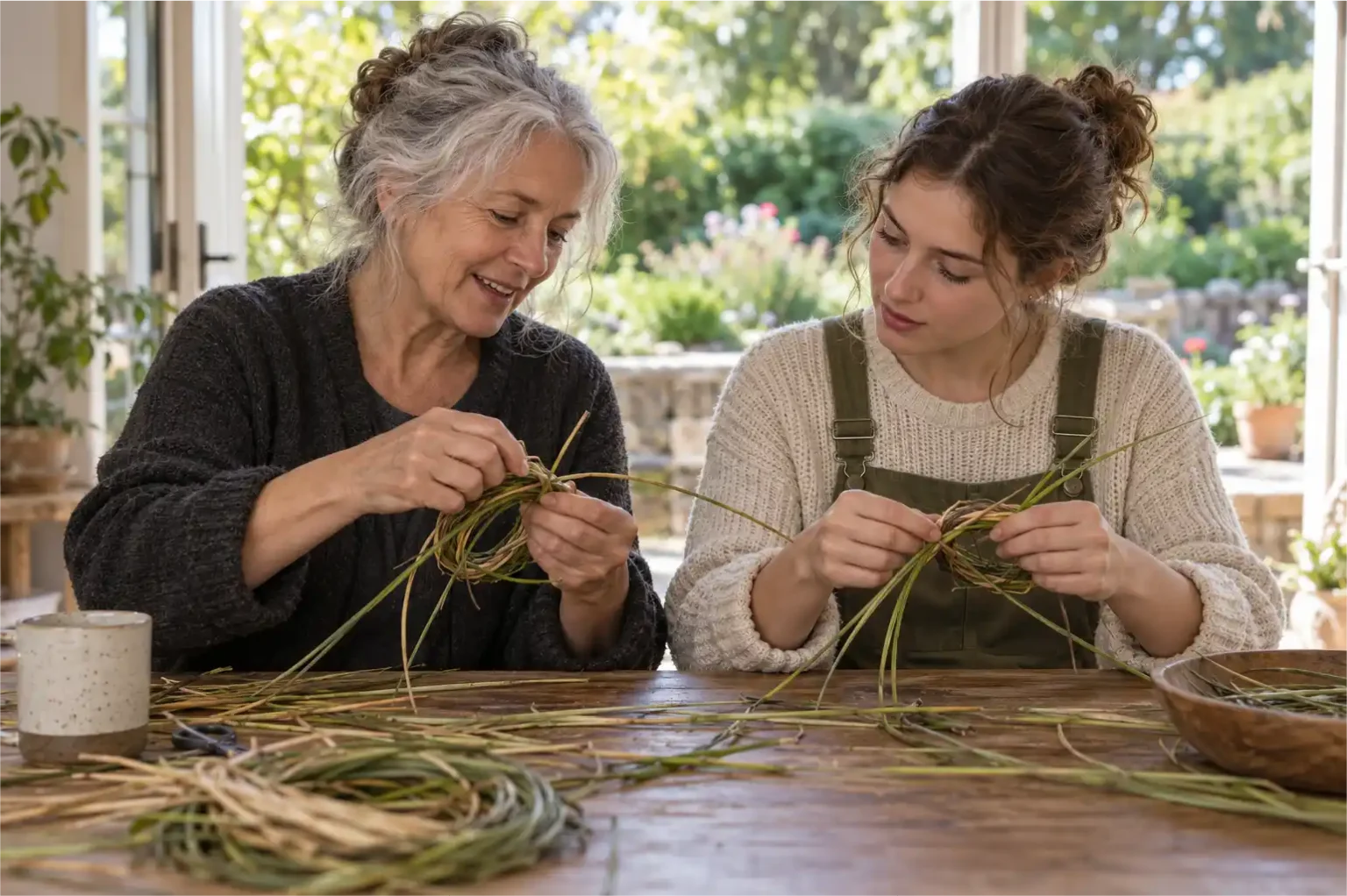
Season, material, and memory belong to the same conversation.
A practice needs a time and place to happen. It needs materials that can be worked with, and people who have opportunities to learn.
When these relationships change, continuity may require new choices, renewed access, or different ways of sharing knowledge.
This story asks us to notice those relationships—and the people whose experience gives them meaning.
At Rabanizz, these questions become studies in rhythm, line, interruption, and exchange.
Seasonal Index, Material Lineage, and Memory Relay translate different aspects of cultural continuity into restrained visual forms.
They are conceptual interpretations, rather than portraits of a particular community or reproductions of its traditional motifs.
Together, they invite closer attention to the relationships through which knowledge stays active.
Explore clothing, headwear, and art inspired by seasonal observation, material knowledge, and learning across generations.
Each design offers a different starting point within When Nature Fades: a rhythm becoming uncertain, a line finding connection, or a memory moving onward.
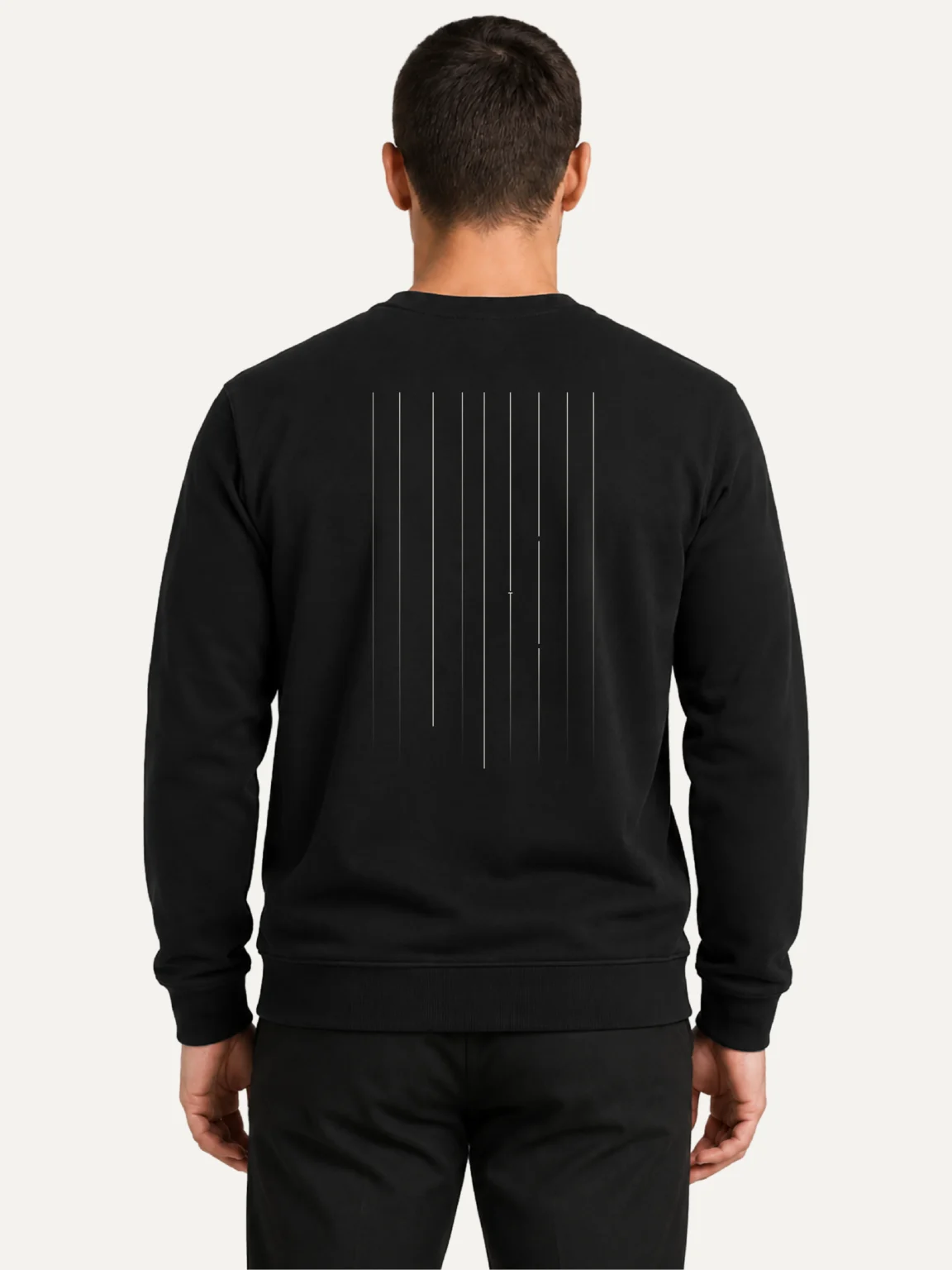
Material knowledge traced through interruption and connection.
Continue exploring Cultures at Risk through the collection.